







Newsletter Subscribe
Enter your email address below and subscribe to our newsletter

Enter your email address below and subscribe to our newsletter
All voices matter
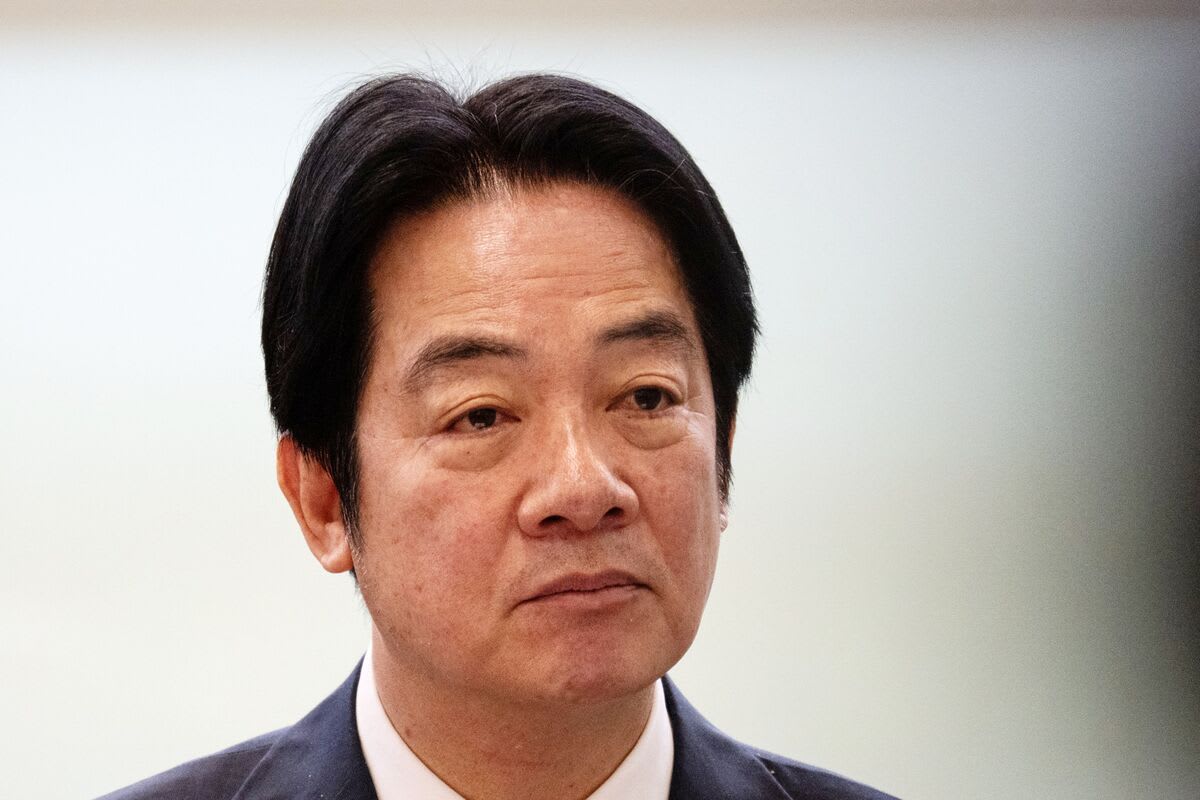
Taiwan’s Presidential Office on Sunday condemned China’s expulsion of New York Times correspondent Vivian Wang, declaring the island democracy “will not be silenced because of oppression” and vowing to continue engaging with international media despite Beijing’s pressure campaign against foreign journalists.focustaiwan
Wang, who had been based in Beijing since 2022, was ordered to leave China in February — the first expulsion of a U.S. media correspondent since 2020. Chinese authorities told the Times that her removal was in retaliation for the newspaper’s DealBook Summit 2025, which aired a recorded interview with Taiwan President Lai Ching-te conducted by Andrew Ross Sorkin last December. Wang herself played no role in the interview.bloomberg
During the summit appearance, Sorkin referred to Taiwan as a country — a description Beijing rejects — and Lai warned of China’s aggressive behavior in the Taiwan Strait, saying “Taiwan will do everything necessary to protect itself,” according to the Associated Press.apnews
Presidential Office spokesperson Karen Kuo said Sunday that it is “normal” for the president of a democratic country to explain its position to the world. Beijing’s use of “groundless excuses” and “crude means” to threaten the media will not improve China’s international image but instead highlights that it has become “a troublemaker” in the international community, Kuo said.focustaiwan
Taiwan’s government would work with partners to ensure international media and journalists are “protected from the threat of transnational repression,” Kuo added, without naming specific partners.focustaiwan
The Times disclosed the expulsion on May 28, with executive editor Joseph Kahn calling Beijing’s decision “wrong” and urging Wang’s reinstatement. The Trump administration responded by revoking the visa of a Chinese national working for the state-run Xinhua News Agency in the United States, in what the AP described as “an apparent reciprocal act.”washingtonpost
The tit-for-tat moves underscore deepening tensions over press freedom between Washington and Beijing, with Taiwan caught at the center of the dispute.