Newsletter Subscribe
Enter your email address below and subscribe to our newsletter
Enter your email address below and subscribe to our newsletter

All voices matter
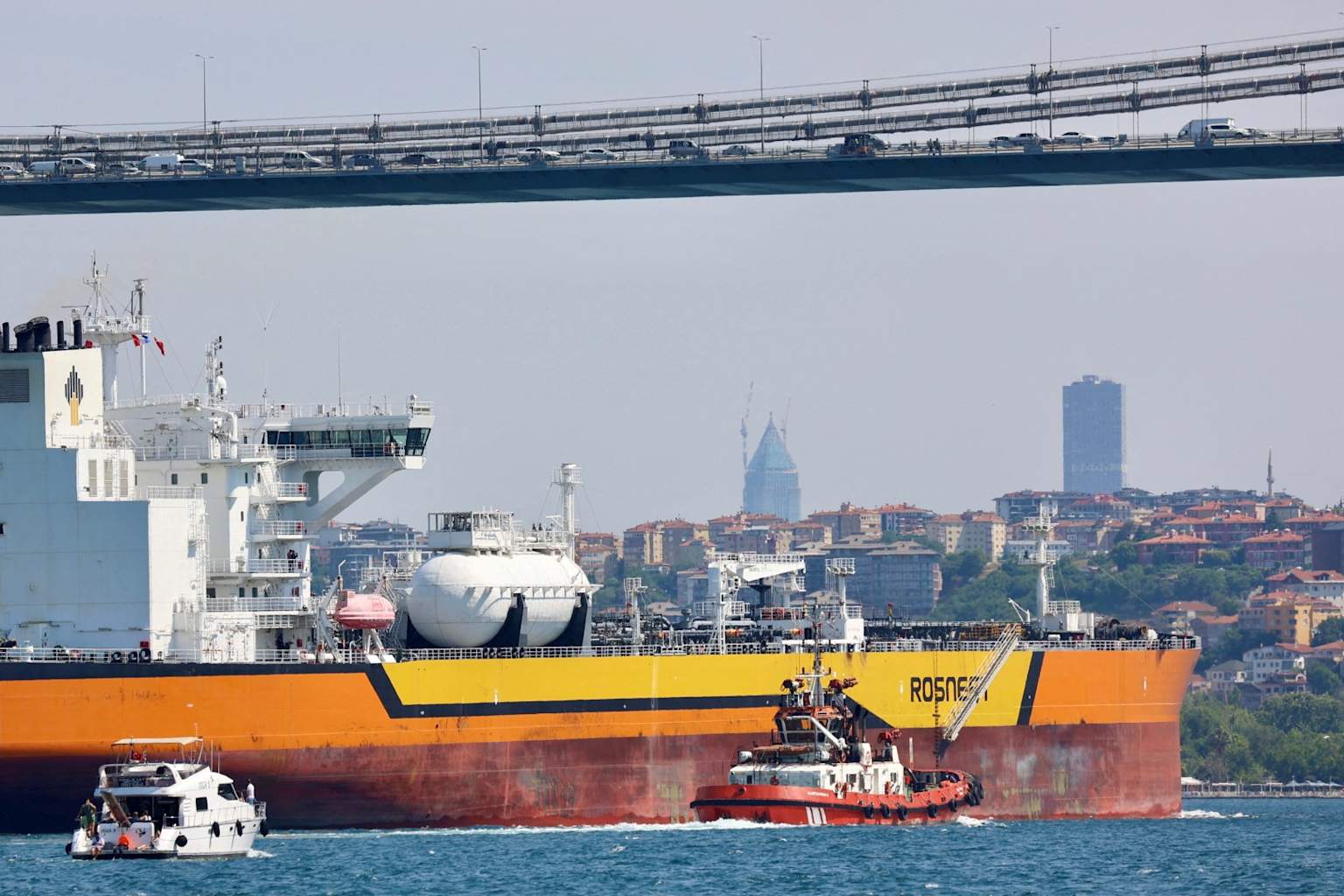
Russian crude oil exports have reached their highest level of 2026, averaging 3.89 million barrels per day in the four weeks through June 21, even as Moscow faces a shifting competitive landscape in its largest market, India, according to tanker tracking data compiled by Bloomberg.bloomberg
The export increase comes as ongoing Ukrainian attacks on Russian oil refineries have reduced domestic processing capacity, redirecting crude that cannot be refined into export channels. The trend marks a reversal from earlier in June, when Reuters reported that Russia had planned to cut exports to boost refinery runs amid looming fuel shortages.reuters
Russia’s crude exports in May had already hit their highest level since the 2022 full-scale invasion of Ukraine, averaging 3.46 million barrels per day, according to Semafor. The June figures represent a further acceleration, with seaborne shipments to Asia driving the increase.semafor
India has been the primary destination for the export surge. According to data from commodity analytics firm Kpler, India imported an average of 2.66 million barrels per day of Russian crude between June 1 and 19, a sharp rise from 1.91 million bpd in May. Russian crude accounted for roughly 53.5% of all Indian oil imports during that period.indiatoday
Kpler projects India’s full-month Russian crude imports will reach a record 2.35 million barrels per day in June, surpassing the previous high of 2.2 million bpd set in May 2023. The surge has been driven partly by disruptions to Middle Eastern supply caused by the conflict around the Strait of Hormuz, which pushed Indian refiners to secure alternative sources.indiatvnews
However, Russia’s dominance in the Indian market faces a potential challenge. A U.S.-Iran deal signed in mid-June aims to reopen the Strait of Hormuz, with analysts at Kpler estimating tanker traffic could rise to nearly 50% of prewar levels within 30 days. The agreement includes a U.S. sanctions waiver for Iranian oil that was previously restricted, creating direct competition for Russian barrels in Asia.cnbc
The United States recently allowed its waiver on Russian oil sales to lapse without renewal as it announced a memorandum of understanding with Iran. Analysts suggest that even without the waiver, Russian crude will remain a vital supply source for India given established trade routes and persistent discounts, but the return of Iranian and broader Middle Eastern supply could erode Moscow’s market share in the months ahead.yahoo