Newsletter Subscribe
Enter your email address below and subscribe to our newsletter
Enter your email address below and subscribe to our newsletter

All voices matter
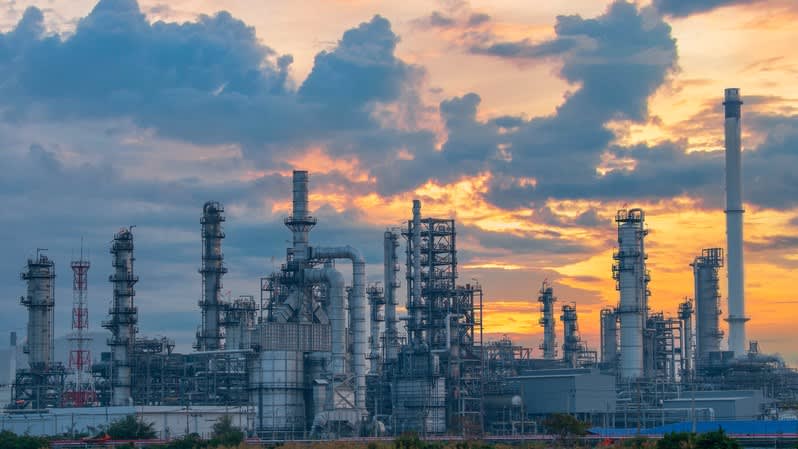
China’s independent “teapot” refineries have slashed their processing rates to the lowest level since 2017, underscoring how the prolonged Strait of Hormuz disruption and weak domestic fuel demand have hammered the country’s smaller oil processors.
Refinery utilization at the teapot plants in Shandong province fell to just 50.5% last week, according to data from consultancy JLC cited by Bloomberg. That marks the lowest rate since August 2017, when independent refiner run rates crashed to 44%, and is even below the levels recorded during the pandemic-driven demand collapse of 2020.substack
The pullback reflects a toxic combination of elevated crude costs, sluggish Chinese fuel consumption, and government restrictions on fuel product exports aimed at maintaining domestic stockpiles during the crisis. The teapots — concentrated in Shandong province and historically reliant on discounted Iranian crude — were already struggling with thin margins before the Iran conflict began in late February.aljazeera
Beijing initially ordered private refiners to maintain 2025-level output “at all costs” to ensure domestic fuel security. But by May, the processors lobbied for and received permission to cut back, with authorities allowing output reductions to no lower than 80% of 2025 monthly averages.reuters
The teapot cutbacks are part of a wider contraction in Chinese refining. China’s crude oil imports plunged to roughly 7.8 million barrels per day in May — an eight-year low and a decline of nearly 3 million barrels per day from pre-war averages of 11.6 million barrels per day. The International Energy Agency’s June report noted that global oil demand is forecast to decline by 1.1 million barrels per day year-on-year in 2026, with Chinese and Japanese imports falling particularly sharply.energyconnects
Analysts have pointed to China’s import reduction as a key reason oil prices have not reached the $150–$200 range some had predicted. JPMorgan estimated that China’s reduced buying accounts for roughly 74% of the total decline in global crude trade during the crisis.youtube
Even as oil prices have retreated following a preliminary U.S.-Iran agreement announced in mid-June — with Brent crude falling back toward $78 per barrel — analysts say the teapots may not quickly ramp up operations. Fuel stockpiles in Shandong remain above 2025 levels, and China’s structural shift toward electric vehicles, accelerated by months of elevated fuel costs, continues to weigh on gasoline demand.aljazeera