






Newsletter Subscribe
Enter your email address below and subscribe to our newsletter

Enter your email address below and subscribe to our newsletter
All voices matter
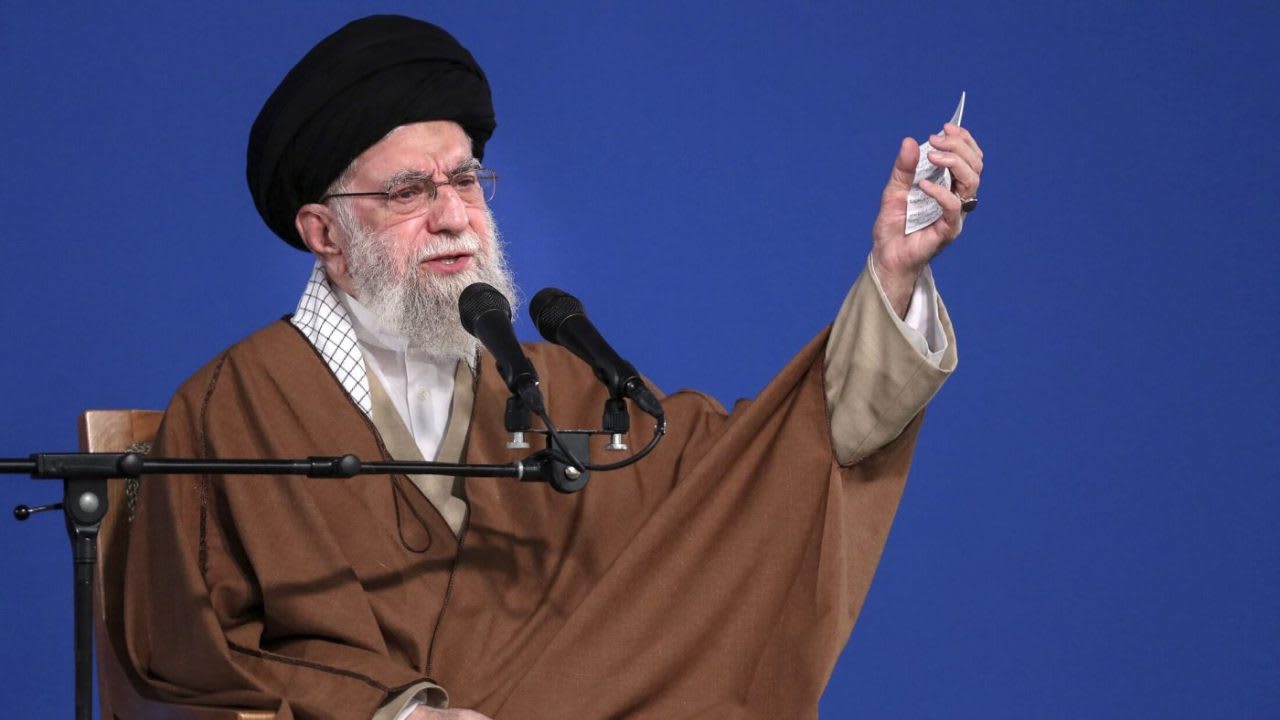
A directive from Iran’s Supreme Leader that the country’s near-weapons-grade enriched uranium must remain on Iranian soil jolted markets on Thursday, erasing much of the optimism that had briefly lifted investor sentiment a day earlier.
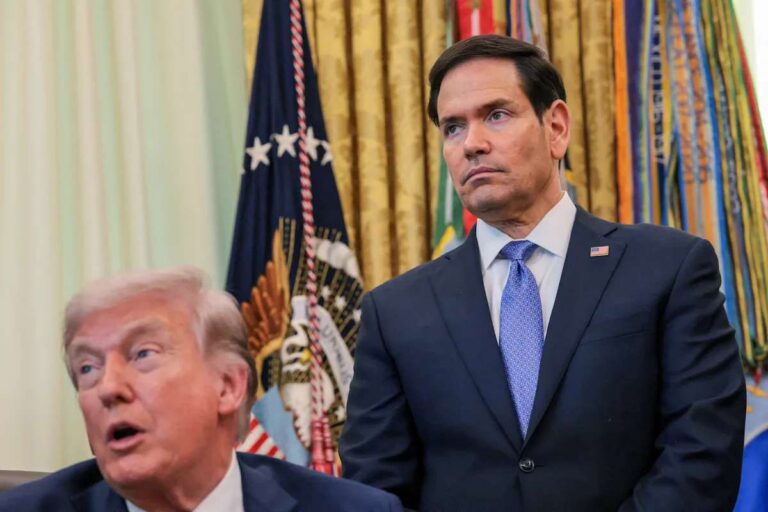
Reuters reported, citing two senior Iranian sources, that Supreme Leader Mojtaba Khamenei issued orders that Iran’s stockpile of highly enriched uranium should not be sent abroad — one of Washington’s core demands in ongoing peace negotiations. “The Supreme Leader’s directive, and the consensus within the establishment, is that the stockpile of enriched uranium should not leave the country,” one of the sources told Reuters, adding that Iranian officials believe shipping the material overseas would leave the country more vulnerable to future attacks by the United States and Israel.jpost
The order represents a hardening of Tehran’s negotiating position and directly contradicts assurances that Israeli officials say President Trump has given Israel — namely that any peace deal must include a clause requiring Iran’s highly enriched uranium to leave the country. The United States has demanded that Iran cease enrichment for at least 12 years and transfer its existing stockpile abroad as part of any framework agreement.timesofisrael
The report landed just hours after markets had rallied on comments from Trump, who told reporters on Wednesday that talks with Iran were in their “final stages,” warning that “either we have a deal or we’re going to do some things that are a little bit nasty”. Those remarks triggered a sharp sell-off in oil on Wednesday, with both Brent and WTI crude falling over 5.6% to their lowest levels in more than a week.youtube
On Thursday, oil prices reversed course. Brent crude futures rose to around $105.80 per barrel, while West Texas Intermediate climbed to approximately $99.10, as traders reassessed the likelihood of a deal. U.S. stock index futures pointed lower at the open, with S&P 500 and Nasdaq 100 contracts retreating from Wednesday’s gains.cnbc
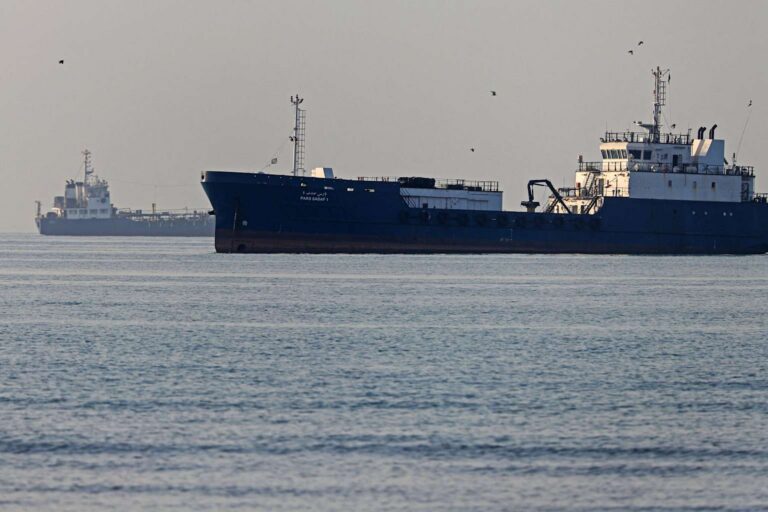
The standoff reflects the deep divide that has persisted throughout months of negotiations brokered largely by Pakistan. The United States wants Iran to halt enrichment for 20 years and ship its stockpiles out of the country, while Iran demands an end to military strikes, the lifting of the naval blockade on its ports, and the reopening of the Strait of Hormuz. A ceasefire has held since April 8 following six weeks of conflict that began with joint U.S.-Israeli strikes on February 28, but a durable peace agreement remains elusive.reuters