







Newsletter Subscribe
Enter your email address below and subscribe to our newsletter

Enter your email address below and subscribe to our newsletter
All voices matter
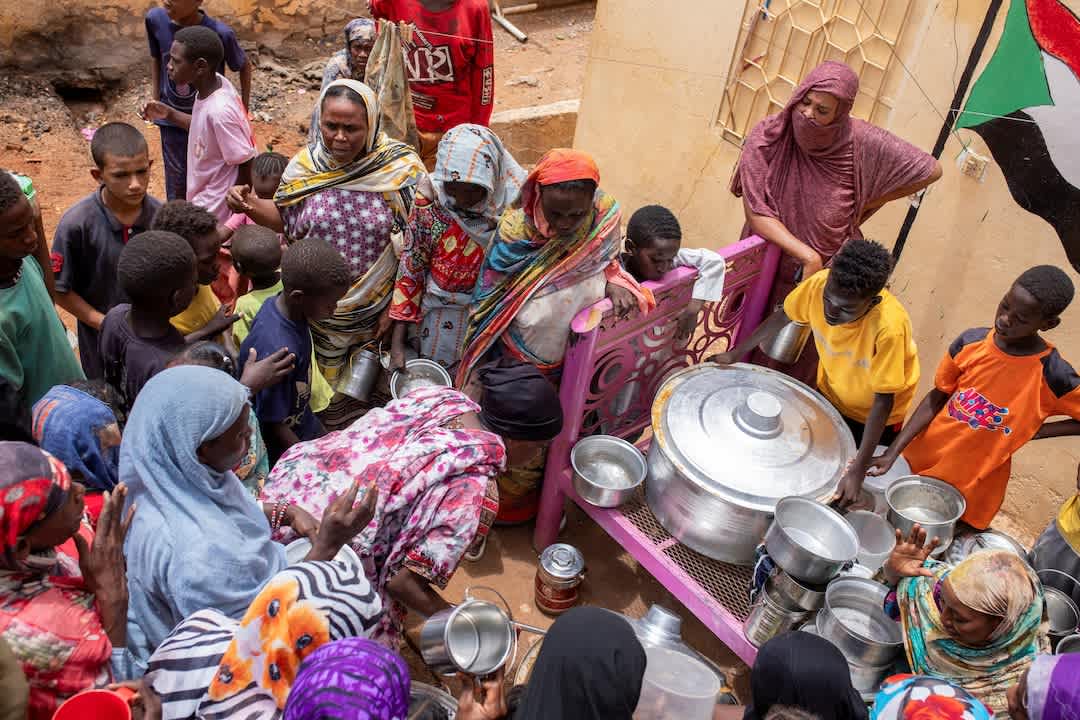
Nearly 19.5 million people in Sudan — more than 40% of the population — are experiencing high levels of acute food insecurity, according to a new assessment released Wednesday by the Integrated Food Security Phase Classification, the global hunger monitoring body. The report lands as the conflict between Sudan’s military and the paramilitary Rapid Support Forces grinds into its fourth year with no end in sight.
The IPC found that 135,000 people are now classified under Phase 5, the most severe category, indicating extreme food shortages, starvation, and mortality due to disease or acute malnutrition. Conditions are expected to worsen further during the lean season from June to September, when food reserves traditionally run low.apnews
An estimated 825,000 children under five are projected to suffer severe acute malnutrition in 2026, a 7% increase from last year and roughly 25% above pre-conflict levels. UNICEF reported that 4.2 million children overall are expected to experience acute malnutrition this year. Between January and March, more than 98,500 children received treatment for severe acute malnutrition.unicef
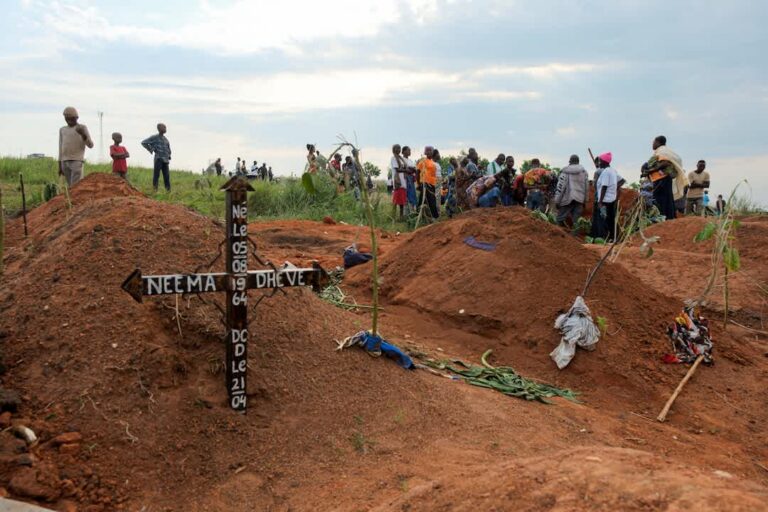
The war, which erupted in April 2023, has killed more than 59,000 people and displaced some 14 million, making it the world’s largest displacement crisis. More than 30 million people are in urgent need of humanitarian aid.un
Multiple areas across Greater Darfur and Greater Kordofan remain at elevated risk of famine. Earlier this year, the IPC confirmed that famine-level acute malnutrition had spread to the towns of Um Baru and Kernoi in North Darfur, where child malnutrition rates reached nearly 53% — almost twice the famine threshold. A separate assessment by FEWS NET in March warned that 22 million people would require humanitarian food support as the lean season peaks.reliefweb
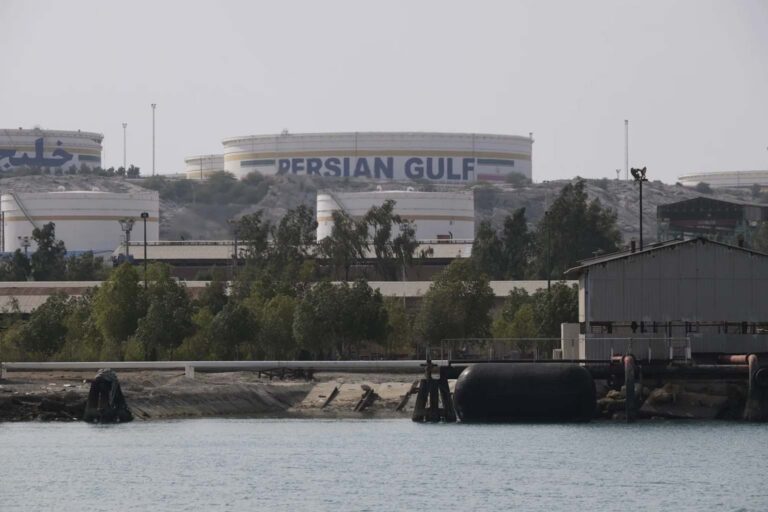
The food emergency is being compounded by disruptions at the Strait of Hormuz, where a Persian Gulf conflict has blocked roughly one-third of the world’s fertilizer shipments. The FAO warned in March that global fertilizer prices could average 15 to 20% higher in the first half of 2026, while fuel prices inside Sudan have surged more than 24%, driving up food costs. The World Food Programme cautioned in April that 45 million people worldwide could face starvation if the strait remains closed.passblue
“Reduced availability and rising costs will translate into lower agricultural yields in upcoming planting cycles, increasing the likelihood of sustained food price inflation and heightened humanitarian needs,” a UN internal document warned. WFP food assistance in Sudan has already dropped 14% since January compared with the prior year due to a lack of resources, and the agency has said it urgently needs more than $600 million for the next six months.wfp