





Newsletter Subscribe
Enter your email address below and subscribe to our newsletter

Enter your email address below and subscribe to our newsletter
All voices matter
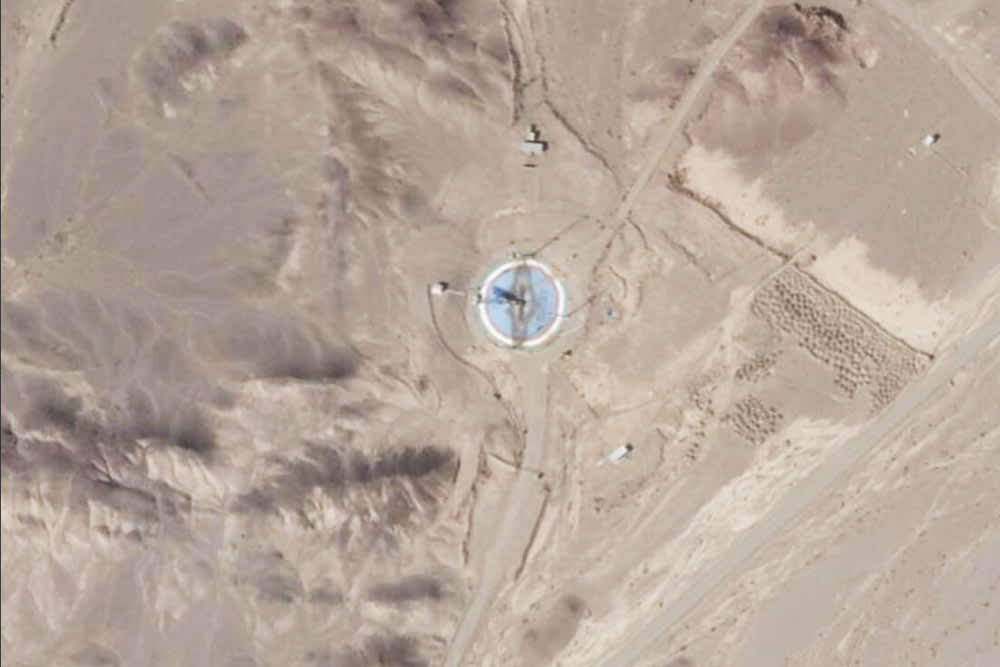
Classified U.S. intelligence assessments show that Iran has regained operational access to 30 of its 33 missile sites along the Strait of Hormuz and retains roughly 70 percent of its prewar missile stockpile, according to reporting by The New York Times on Monday, sharply undercutting the Trump administration’s repeated assertions that the Iranian military had been “decimated.”nytimes
The assessments, dated from early May, indicate that Iran continues to operate about 70 percent of its mobile launchers nationwide and has preserved approximately 70 percent of its prewar missile stockpile, including ballistic missiles capable of reaching regional targets such as Israel and a smaller number of cruise missiles designed for shorter-range strikes at sea or on land. U.S. intelligence has further determined, using satellite imagery and other collection methods, that Iran has regained access to roughly 90 percent of its underground missile storage and launch facilities across the country, which are now considered partially or fully operational.nytimes
The findings build on a Washington Post report from May 7 that revealed a CIA analysis showing Iran retains about 75 percent of its prewar mobile launchers and 70 percent of its missile and drone stockpiles. That same CIA assessment concluded Iran could withstand the U.S. naval blockade for 90 to 120 days before facing severe economic hardship.middleeasteye
The intelligence directly contradicts public statements from President Trump and Defense Secretary Pete Hegseth. Trump told CBS News on March 9 that Iran’s missile capabilities had been severely diminished, and Hegseth declared at an April 8 Pentagon briefing that Operation Epic Fury had “decimated Iran’s military and rendered it combat-ineffective for years to come.”pbs
White House spokesperson Olivia Wales dismissed the intelligence findings, reiterating that Iran’s military had been “crushed” and calling anyone who believed Iran had rebuilt its forces “misguided or acting as a spokesperson for the Islamic Revolutionary Guards Corps.” She pointed to a social media post by Trump labeling any suggestion of a resurgent Iranian military as “virtual treason.”nytimes
The revelations raise pointed questions about threats to the more than 20 U.S. warships currently enforcing a blockade in the Strait of Hormuz, a chokepoint through which a substantial share of global oil shipments pass. The intelligence suggests that Iran can deploy mobile launchers from its restored Hormuz sites to transport missiles or, in some cases, fire directly from launchpads built into the facilities. Only three sites along the strait remain completely inaccessible.nytimes
The assessments also reflect the consequences of difficult choices made during the air campaign. Facing limited supplies of bunker-busting munitions, Pentagon planners opted to seal off entrances to many of Iran’s hardened underground facilities rather than attempt full destruction, conserving certain weapons for potential future conflicts involving North Korea and China. The U.S. military expended approximately 1,100 long-range stealth cruise missiles during the war and more than 1,000 Tomahawk missiles, exceeding the Pentagon’s annual procurement rate.19fortyfive