






Newsletter Subscribe
Enter your email address below and subscribe to our newsletter

Enter your email address below and subscribe to our newsletter
All voices matter
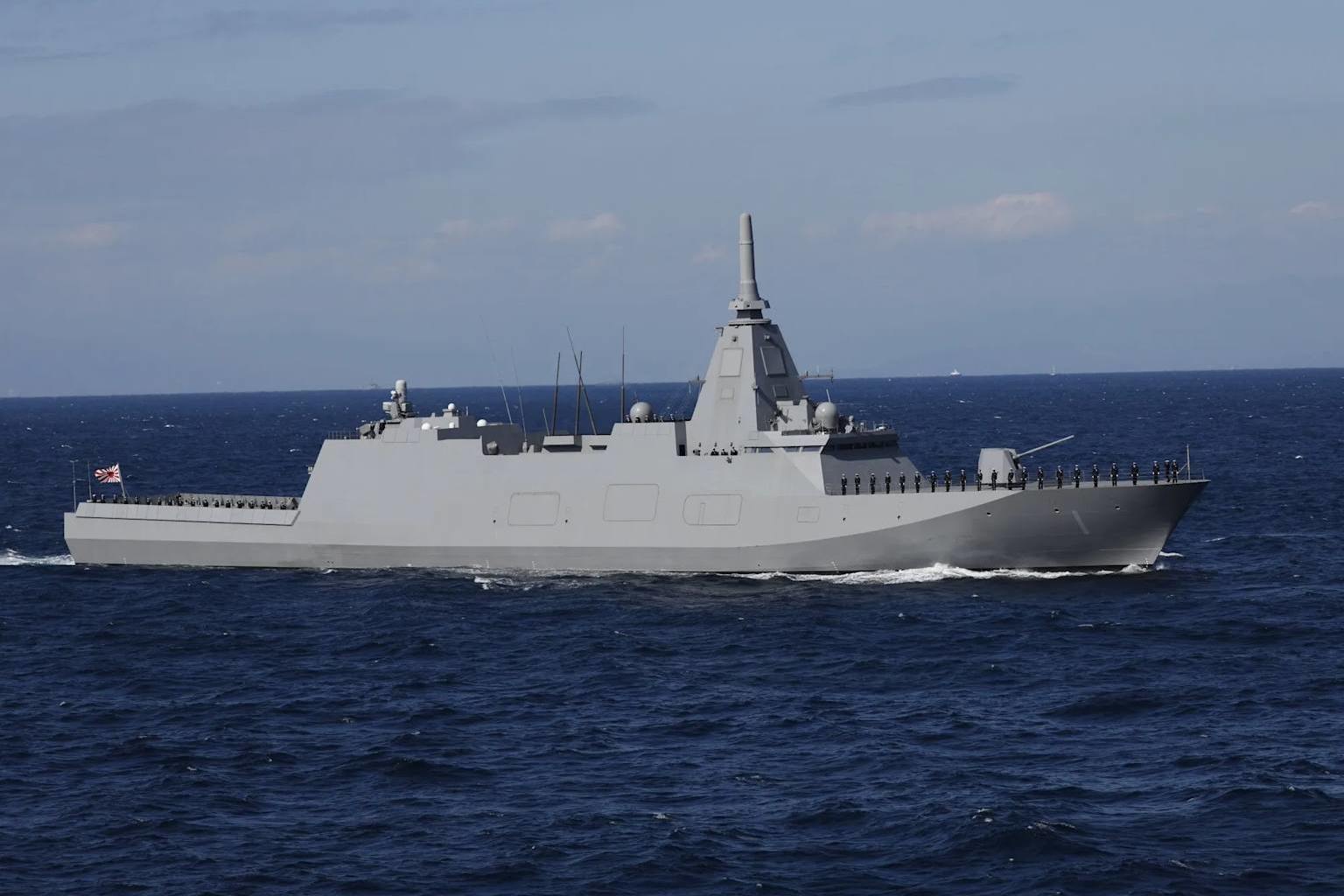
New Zealand has shortlisted Japan’s upgraded Mogami-class frigate and Britain’s Type 31 as the two contenders to replace its aging warships, setting the stage for a closely watched competition between Tokyo and London that carries broad implications for Indo-Pacific defense ties.
Defence Minister Chris Penk confirmed on May 7 that New Zealand has entered formal discussions with Australia and the United Kingdom on the frigate replacement, with a recommendation expected to reach the government by the end of 2027. The two Anzac-class frigates under consideration for replacement — HMNZS Te Kaha and HMNZS Te Mana — were commissioned in 1997 and 1999, respectively, and most of the navy’s fleet is projected to reach the end of its design life by the mid-2030s.reuters
Japan on Monday expressed hope that New Zealand would select the Mogami-class frigate, a move that would deepen defense cooperation between the two countries. Chief Cabinet Secretary Minoru Kihara has framed Japan’s expanding defense exports as a way to strengthen its industrial base through greater economies of scale.japantoday
The Mogami is already gaining a regional foothold. Australia signed a landmark contract with Mitsubishi Heavy Industries in April for 11 upgraded Mogami-class frigates under the Sea3000 General Purpose Frigate program, a deal valued at up to A$20 billion. The first three ships are being built in Japan, with the first vessel expected in 2029. On Monday, RTX announced that its Raytheon division was awarded a contract by Mitsubishi Heavy Industries to supply SeaRAM ship self-defense systems for the Australian frigates, with deliveries expected to begin in late 2028.facebook
Should New Zealand choose the Mogami, it would create a common frigate platform across the Royal Australian Navy and the Royal New Zealand Navy, enhancing interoperability across the Tasman. Penk noted that collaborating with partners would improve interoperability and potentially increase efficiencies.reuters
Japan’s candidacy is bolstered by Prime Minister Sanae Takaichi’s April 21 announcement eliminating restrictions on defense exports of lethal systems to Japan’s closest security partners — a historic shift that the CSIS described as adding to “the list of post-World War II constraints on defense that the country has steadily cast aside over the last decade”. The Mogami deal with Australia, which featured sustained high-level Japanese government engagement, has served as a pathbreaker for Tokyo’s defense export ambitions.csis
Britain’s Type 31, built by Babcock International, offers New Zealand a frigate from a fellow Five Eyes partner with longstanding naval ties. Penk told Bloomberg that “no options are off the table,” including potentially expanding the fleet beyond two vessels. The frigate replacement is identified as a potential investment for the period of 2029 to 2039.scmp