







Newsletter Subscribe
Enter your email address below and subscribe to our newsletter

Enter your email address below and subscribe to our newsletter
All voices matter
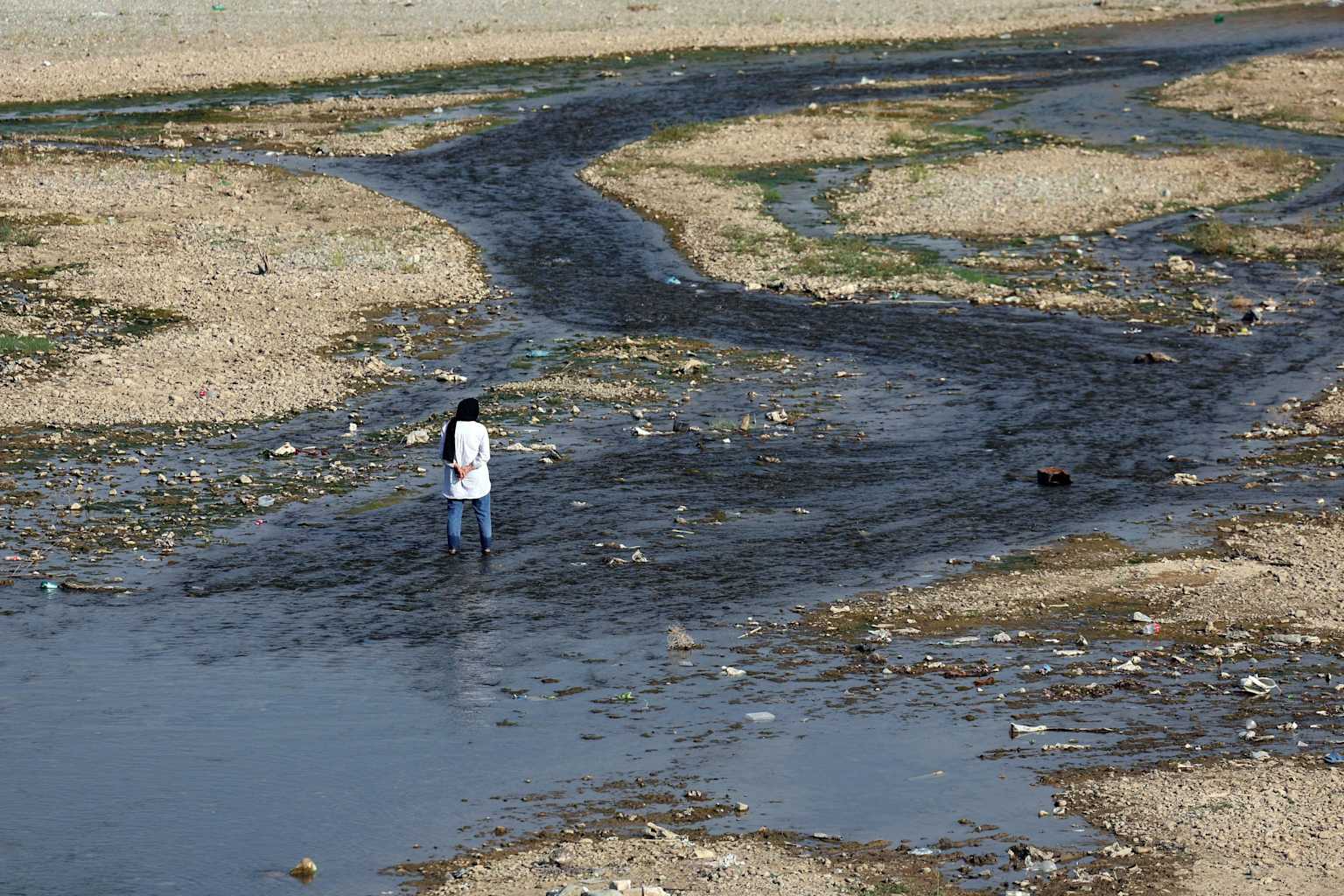
Iranian authorities warned on Monday that approximately 35 million people face water shortages heading into summer, as a convergence of drought, a U.S. naval blockade, mass layoffs, and a prolonged internet blackout pushes the country toward what analysts describe as a deepening domestic crisis.
Issa Bozorgzadeh, spokesman for Iran’s water industry, said rainfall remained below normal in 11 provinces, including Tehran, Qazvin, Alborz, and Isfahan, with Tehran among the worst affected. He cautioned that improved dam reserves in some regions could not compensate for deficits in major population centers. Iran is now in its sixth consecutive year of drought, a period that has drained the country’s reservoirs to historic lows. By late 2025, the five major dams supplying Tehran were averaging roughly 10 percent capacity, and the government had begun warning of possible water rationing and even partial evacuation of the capital.iranintl
The water crisis is compounded by an electricity shortage that has plagued Iran for successive summers. In previous years, authorities imposed daily blackouts of two to four hours across residential and public sectors as demand outstripped supply. With temperatures expected to climb again, officials have signaled that similar or worse outages are likely this summer.iranfocus
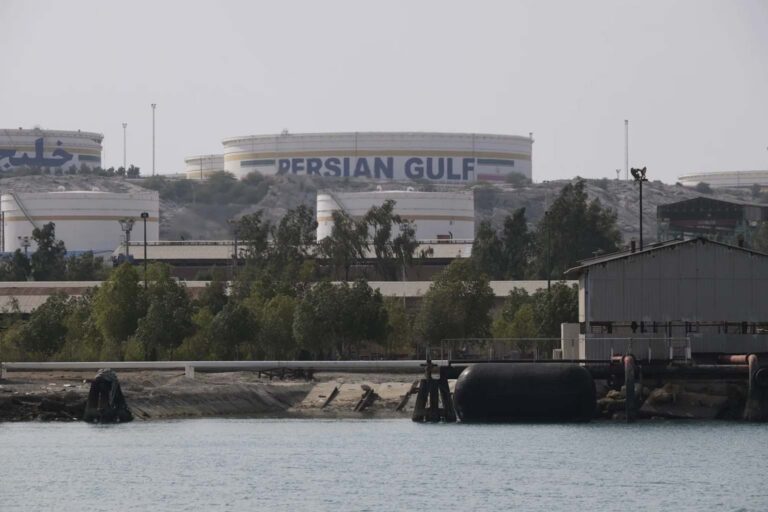
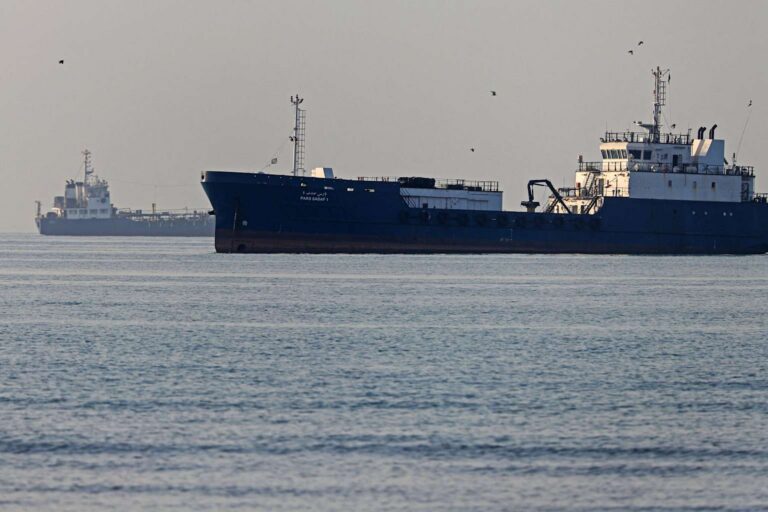
Since the United States imposed a naval blockade on Iran on April 13, the country’s oil export lifeline has been severely curtailed. According to shipping data firm Kpler, Iranian crude exports collapsed from about 1.85 million barrels per day in March to roughly 567,000 bpd after the blockade took hold, a decline of nearly 70 percent. U.S. Central Command said it was blocking more than 70 tankers carrying over 166 million barrels of crude worth more than $13 billion.wikipedia
Kpler assessed Iran’s total onshore storage capacity at 86 million barrels, with inventories already exceeding 50 million barrels by late April. The firm estimated remaining capacity could be exhausted within 12 to 22 days at the time, potentially forcing Iran to slash production by an additional 1.5 million barrels per day. Fortune reported that Iran had already begun curbing output as storage filled.x
The economic toll extends well beyond the energy sector. The New York Times reported on May 10 that Iranian businesses are resorting to mass layoffs, with Mehdi Bostanchi, head of the Coordination Council of Industries, warning that the industrial contraction could affect as many as 3.5 million workers. A major textile factory in western Iran laid off 700 of its 800 employees, according to the semi-official Iranian Labor News Agency. Senior government official Gholamhossein Mohammadi estimated the war has already cost one million jobs, with direct and indirect unemployment reaching around two million.timesofisrael
Meanwhile, Iran’s internet blackout — imposed during protests in January and extended through the war — entered its 73rd day on Monday, surpassing 1,728 hours, according to the monitoring group NetBlocks. CBC reported the shutdown is estimated to cost the Iranian economy around $250 million per day, with broader impacts on banks and traditional businesses potentially pushing losses to $3 billion daily. The blackout has crippled the tech sector and small businesses, with one Iranian job platform recording a single-day record of 318,000 resume submissions on April 25.inquirer
“What distinguishes Iran’s shutdown is its unprecedented scale and severity,” said Mahsa Alimardani, an internet censorship expert at the rights organization Witness.cbc