






Newsletter Subscribe
Enter your email address below and subscribe to our newsletter

Enter your email address below and subscribe to our newsletter
All voices matter
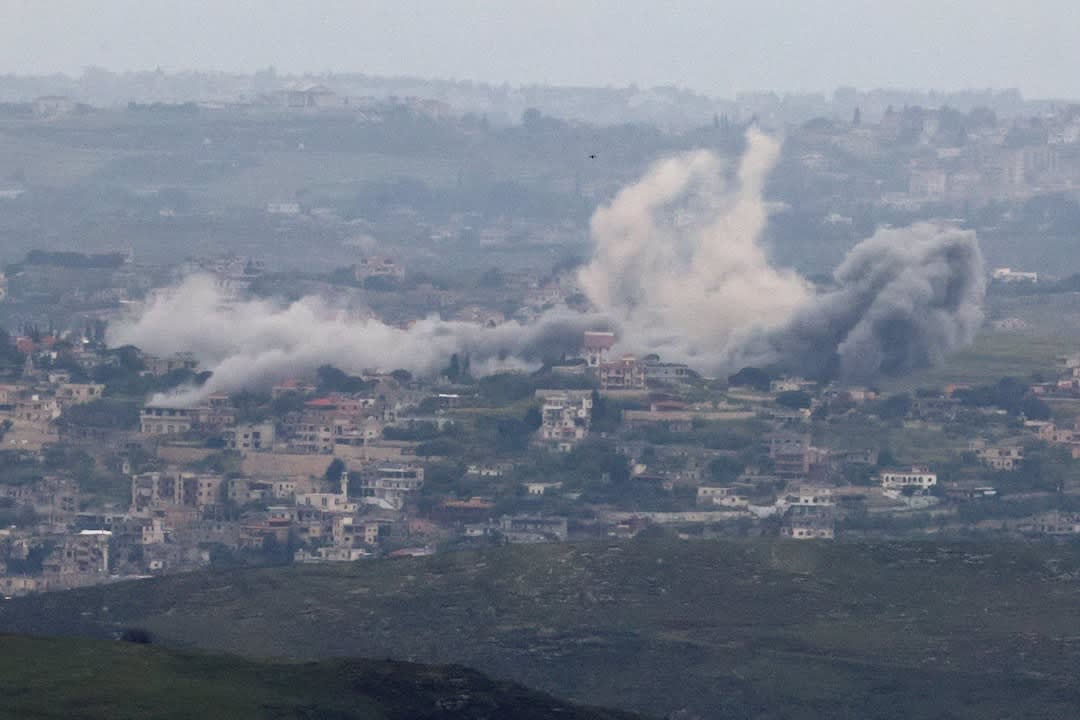
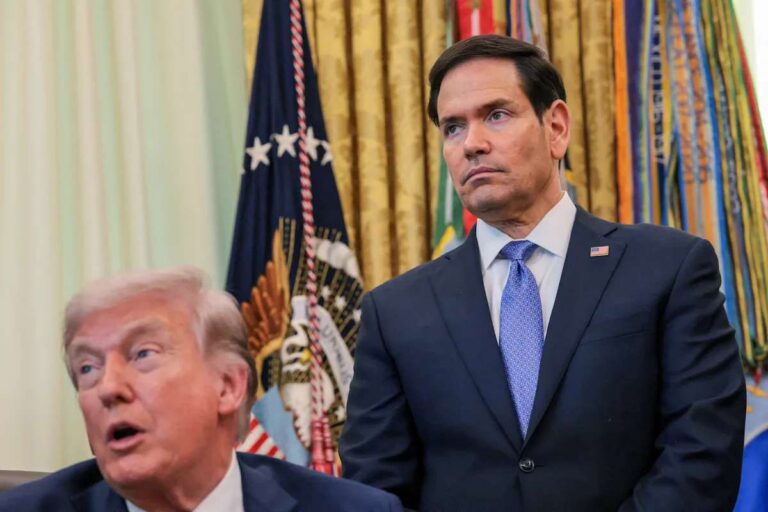
U.S. Secretary of State Marco Rubio declared Tuesday that a peace deal between Israel and Lebanon is “imminently achievable,” while identifying Hezbollah as the central obstacle to any lasting agreement between the two nations.
“By and large, I think a peace deal between Lebanon and Israel is imminently achievable, and should be,” Rubio told reporters at a White House press briefing. “The problem with Israel and Lebanon is not Israel or Lebanon, it’s Hezbollah.”internazionale
Rubio’s comments come after weeks of intensive U.S.-brokered diplomacy that has brought the two countries closer to formal negotiations than at any point in decades. In mid-April, Rubio hosted Israeli and Lebanese ambassadors at the State Department for the first direct high-level engagement between the nations since 1993, which he called a “historic opportunity.” That meeting led to a 10-day ceasefire announced by President Trump on April 15, followed by agreement to launch formal peace negotiations.nytimes
In a Fox News interview in late April, Rubio said both the Israeli and Lebanese governments want the same outcome. “Israel’s problem is with Hezbollah. Unfortunately, Hezbollah happens to be inside of Lebanon conducting attacks against Israel,” he explained, adding that both sides agree the solution is a Lebanese Armed Forces capable of going “after and disarm and dismantle Hezbollah.”aawsat
The Iran-backed militant group has consistently rejected efforts to strip it of its weapons. When the Lebanese government set a four-month timeline in February for the second phase of a nationwide disarmament plan, Hezbollah dismissed the initiative as serving Israeli interests. The group has also called on Lebanon’s government to withdraw from the U.S.-mediated talks entirely, deeming them “futile.”aljazeera
Lebanon’s military has made moderate progress in the first phase of a five-stage disarmament process adopted in September 2025, gaining operational control south of the Litani River for the first time in 40 years. But progress north of the river has stalled amid Hezbollah’s political resistance and ongoing hostilities.understandingwar
Israel has insisted that any lasting agreement must include a tangible plan for Hezbollah’s full disarmament, while Lebanon’s government seeks a permanent deal to end Israeli strikes that have killed hundreds since the war resumed on March 2. The two sides agreed in April to continue negotiations at a mutually agreed time and venue, with Washington serving as mediator.wjct
Lebanese Prime Minister Nawaf Salam has banned all Hezbollah military activities and demanded the group surrender its weapons to the state, but enforcing that order remains the central challenge.wikipedia