




Newsletter Subscribe
Enter your email address below and subscribe to our newsletter

Enter your email address below and subscribe to our newsletter
All voices matter
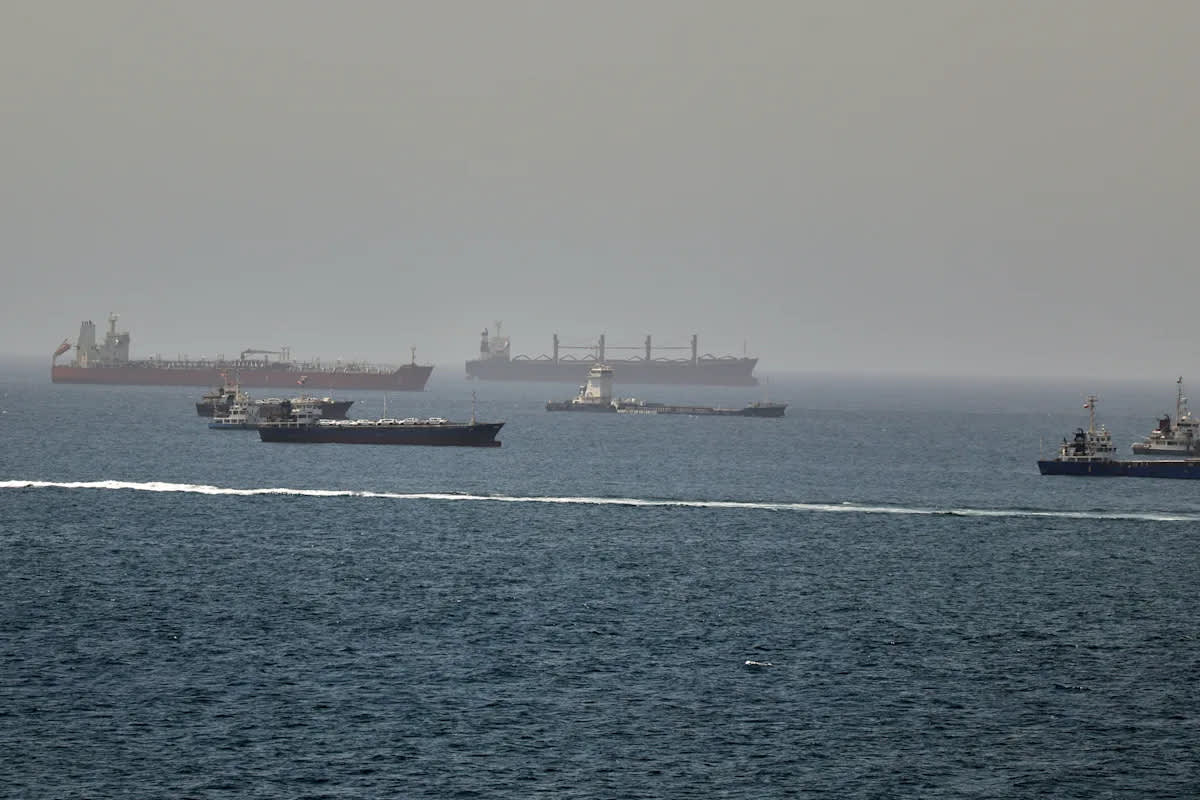
Commercial shipping through the Strait of Hormuz surged to its highest level in two months on Thursday before grinding to a halt Friday morning after scheduled US-Iran nuclear talks in Switzerland were canceled, casting fresh doubt over the durability of last week’s interim peace deal.
There were 25 commercial crossings through the Strait of Hormuz on June 18 — the highest single-day count since April 18 and more than five times the daily average recorded during the first ten days of June, according to AXS Marine data cited by Reuters. Vice President JD Vance said more than 12.5 million barrels of oil passed through the strait on Wednesday night alone. Among the vessels transiting were three Saudi-flagged supertankers — the Awtad, Jaham, and Shaden — carrying a combined 6 million barrels of crude, Reuters reported. A Qatari LNG tanker also made the crossing, marking the first liquefied natural gas shipment through the waterway since the war began in late February.reuters
The surge followed Washington’s formal lifting of its naval blockade on Iranian ports Thursday and the publication of a 14-point memorandum of understanding signed by the US and Iran on Wednesday. The deal extends a ceasefire, reopens the strait to commercial shipping, and grants Iran limited sanctions relief and the right to resume immediate oil sales during a 60-day negotiating window.chicagotribune
But the optimism was short-lived. Switzerland’s foreign ministry confirmed Friday that US-Iran negotiations scheduled for that day at Bürgenstock would not take place. Iran reportedly demanded a guarantee that Israel would halt its military campaign against Hezbollah in Lebanon before proceeding. Bloomberg reported that no tankers were seen moving outbound from the Persian Gulf on Friday morning, with shipowners erring on the side of caution.cnbc
A new date for the talks has not been set, Swiss officials said, noting any resumption depends on both parties reaching consensus on timing and format.mezha
Even before Friday’s setback, industry experts had warned that a full restoration of shipping was months away. Intertanko, the international association representing independent tanker owners, said approximately 80 naval mines remain in the central shipping channel. Maritime security sources told Reuters that mine-clearing operations could take 40 to 50 days before insurers and shipping companies are confident enough to send vessels through.iheart
Over 500 ships remain stranded in the Persian Gulf, and traffic remains a fraction of prewar levels, when 130 to 140 vessels crossed daily. Kpler trade risk analyst Ana Subasic told the New York Post it could take eight weeks to clear all constraints surrounding the strait. UBS described the interim deal as “the beginning rather than the conclusion” of efforts to resolve the conflict.cnbc