




Newsletter Subscribe
Enter your email address below and subscribe to our newsletter

Enter your email address below and subscribe to our newsletter
All voices matter
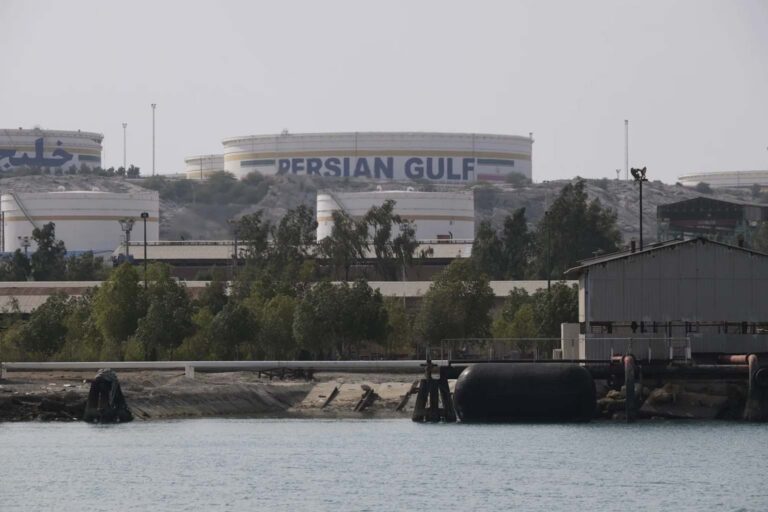
Iran stands to generate more than $105 billion annually from oil exports if sanctions are fully lifted under the memorandum of understanding signed with the United States this week, while Tehran has already laid the groundwork to charge transit fees on vessels passing through the Strait of Hormuz once a 60-day grace period expires.
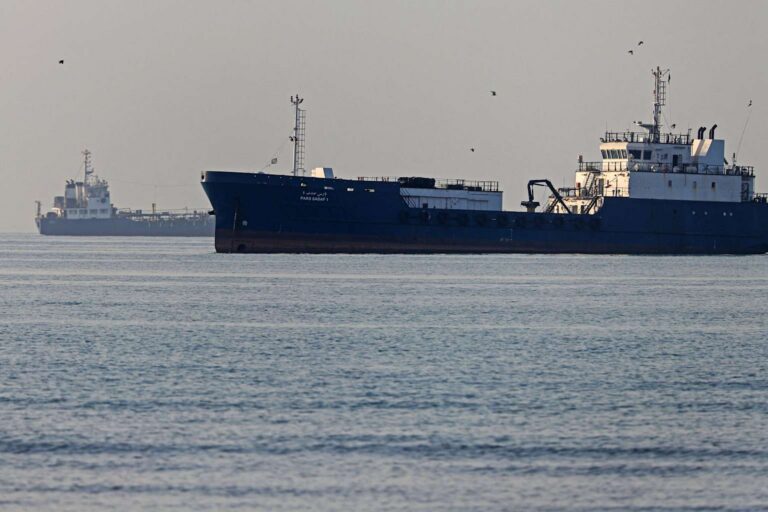
At the current OPEC crude price of $82.52 per barrel, Iran’s output of roughly 3.5 million barrels per day translates to approximately $289 million in daily revenue, or $105.4 billion annually, according to a Moneycontrol analysis published on June 19. The Wall Street Journal reported that the deal could generate over $60 billion annually for Iran’s petroleum sector, with Iranian tankers already departing ports this week.moneycontrol
Under Point 10 of the MOU, the US Treasury agreed to immediately issue waivers for Iranian crude oil exports and all associated services, including banking and transportation, until sanctions are formally terminated. Point 7 commits Washington to lifting all sanctions, including UN Security Council and IAEA resolutions, on a mutually agreed schedule.cnn
Iran’s Persian Gulf Strait Authority, established in May 2026, has already circulated rules requiring vessels to obtain passage permits, use designated routes near Iran’s Larak Island, and carry authority-approved insurance. On Friday, the PGSA announced it would waive fees for security, safety, environmental services, and insurance during the 60-day negotiation period but required vessels to submit transit requests at least 48 hours before arrival.gcaptain
The PGSA has explicitly reserved the right to introduce insurance fees after the interim period. Iran’s ambassador to Moscow stated as early as June 8 that the strait would remain open “but under new conditions to be set by Iran and Oman, including a transit fee”. Moneycontrol estimated that Suez Canal-equivalent rates could yield Iran around $4 million per day from oil and gas shipments alone.reuters
The shipping industry and Washington have pushed back against Iran’s assertion of sole authority over the waterway. Rather than facilitating passage through what has long been treated as an international strait where ships exercise transit rights, Tehran’s framework establishes the PGSA as the sole authority for issuing permits, approving insurance, and directing vessel movements. Iran had already charged some tankers up to $2 million per voyage during the conflict earlier this year, and the new regulatory structure formalizes that practice.quiverquant
The MOU’s Point 5 states that Iran will conduct dialogue with Oman “to define the future administration and maritime services in the Strait of Hormuz in line with applicable international law and the sovereign rights of coastal states” — language that leaves open whether transit fees will survive international legal challenge.arabcenterdc