






Newsletter Subscribe
Enter your email address below and subscribe to our newsletter

Enter your email address below and subscribe to our newsletter
All voices matter
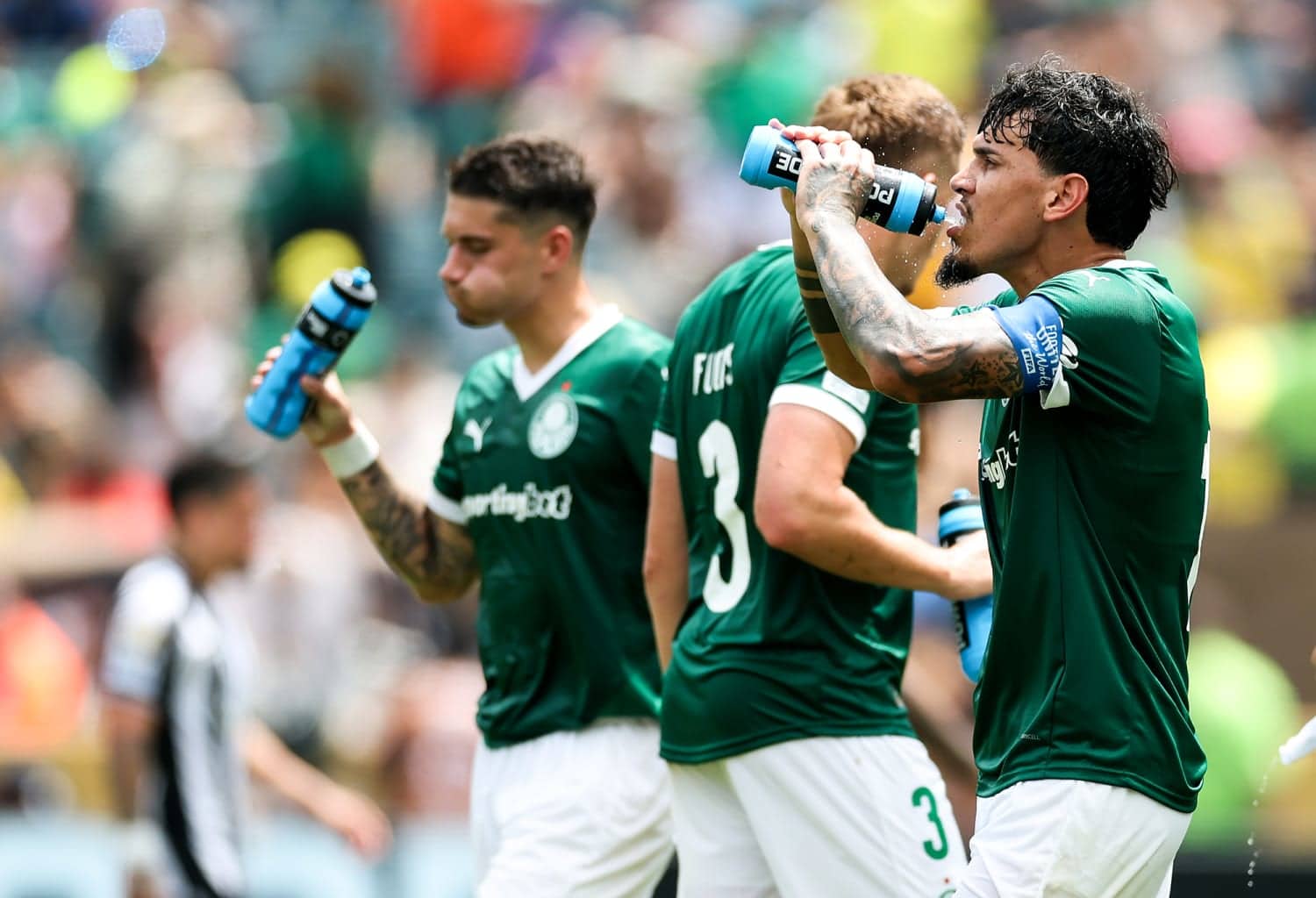
FIFA’s mandatory hydration breaks made their World Cup debut on Thursday in the tournament’s opening match between Mexico and South Africa at Estadio Azteca in Mexico City — and the backlash was immediate. The three-minute stoppages, called by the referee at the 22nd minute of each half across all 104 matches, have been criticized as momentum-killers that effectively split soccer into a four-quarter game while handing coaches free tactical timeouts.
United States coach Mauricio Pochettino was blunt when asked about the breaks ahead of his team’s opening match against Paraguay on Friday. “I don’t like it,” Pochettino said. “I only support it in extreme conditions. When the environment is favorable, it seems unnecessary.” Former U.S. women’s star Carli Lloyd was more direct, tweeting: “I hate it.”the-independent
The temperature in Mexico City for the opener was a comfortable 23°C, undercutting FIFA’s stated rationale of player welfare in high heat. Critics have noted that the breaks apply even to matches played in temperate cities like Seattle under closed roofs. FIFA has argued the mandate ensures “uniformity and consistency across the tournament,” a decision made after consultation with coaches and broadcasters.espn
The broadcast fallout matched the on-field disruption. Fox opted to run full-screen commercials during both hydration breaks — a departure from traditional soccer broadcasting, where each 45-minute half airs uninterrupted. Telemundo, by contrast, announced it would use the breaks for match analysis rather than advertisements.awfulannouncing
Fox’s execution faltered badly. FIFA guidelines require broadcasters to return to coverage at least 30 seconds before play resumes, but Fox came back from the second-half break after the match had already restarted. The network declined to comment on the mishap.hitc
The underlying economics are difficult to ignore. According to a research analyst with S&P Global quoted by Reuters, each advertising segment during the breaks “could potentially command Super Bowl-level prices, estimated between seven to nine million dollars.” With up to 208 in-game breaks across the tournament, the revenue opportunity is enormous for Fox, which acquired its 2026 broadcast rights for roughly $500 million — a package now valued at approximately $1.5 billion.the-independent
El País framed the change as “the silent change in soccer: from 45-minute halves to four quarters,” a characterization that resonated with fans who watched coaches at Estadio Azteca visibly instructing players during the stoppages. Whether FIFA adjusts the policy remains to be seen, but with 103 matches still to play, the debate over the soul of soccer’s flow is just beginning.elpais