






Newsletter Subscribe
Enter your email address below and subscribe to our newsletter

Enter your email address below and subscribe to our newsletter
All voices matter
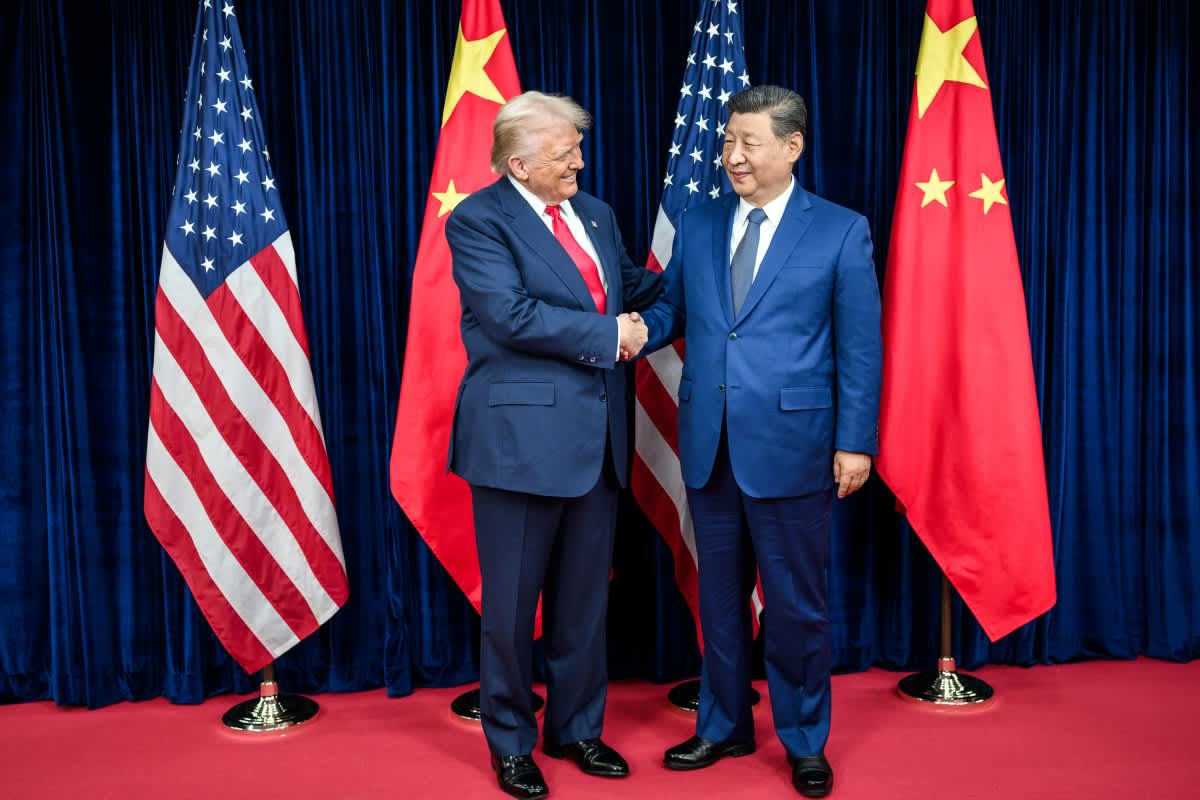
President Donald Trump is set to travel to Beijing on May 14-15 for a face-to-face summit with Chinese President Xi Jinping, a visit that will mark the first trip by a sitting U.S. president to China since Trump himself visited in 2017 during his first term. The summit comes as tensions between Washington and Beijing have flared on multiple fronts, from Iran sanctions to Taiwan, leaving analysts with tempered expectations for any breakthroughs.apnews
The Beijing meeting was originally scheduled for late March but was postponed after the U.S.-Israel military conflict with Iran, known as Operation Epic Fury, prompted Trump to remain in Washington. White House Press Secretary Karoline Leavitt announced the rescheduled dates on March 25, adding that Xi would also visit Washington later this year.ttnews
In the days before the summit, friction has escalated. On May 2, China’s Ministry of Commerce ordered Chinese companies to disregard U.S. sanctions imposed on five domestic oil refineries accused of purchasing Iranian crude, calling the penalties a violation of international law. The sanctioned firms include Hengli Petrochemical and several smaller independent processors known as “teapots,” which handle much of Iran’s oil exports to China. Treasury Secretary Scott Bessent said the sanctions campaign, dubbed “Economic Fury,” aims to impose “a financial stronghold on the Iranian regime”.washingtonexaminer
In a phone call with Secretary of State Marco Rubio on April 30, Chinese Foreign Minister Wang Yi warned that Taiwan remains the “biggest risk point” in U.S.-China relations, urging Washington to “make the right choices” on the issue. Taiwan’s Ministry of Foreign Affairs responded hours later, expressing concern over what it called Beijing’s “unilateral and intimidating remarks”.washingtonpost
The exchange came as the U.S. continued positioning missiles in the region and reinforcing defense partnerships with the Philippines, while China ramped up military drills in contested waters.youtube
Analysts are not anticipating dramatic outcomes from the summit. Writing in Foreign Policy, researchers Neil Thomas and Haolan Wang argued that “success should be measured not by whether Trump and Xi make a dazzling announcement but by whether they leave behind thicker diplomatic machinery than they found”. U.S. Trade Representative Jamieson Greer struck a conciliatory note in April, telling the Hudson Institute, “We are not seeking a significant confrontation or anything of that nature” with China.aljazeera
Observers expect possible deals on soybean and aircraft purchases and further tariff reductions, but deeper issues including semiconductor export controls, AI governance, and the Strait of Hormuz remain unresolved. A former diplomat at a Beijing forum warned of a “malpractice-like” lack of preparation that could prevent progress beyond transactional wins.scmp