







Newsletter Subscribe
Enter your email address below and subscribe to our newsletter

Enter your email address below and subscribe to our newsletter
All voices matter
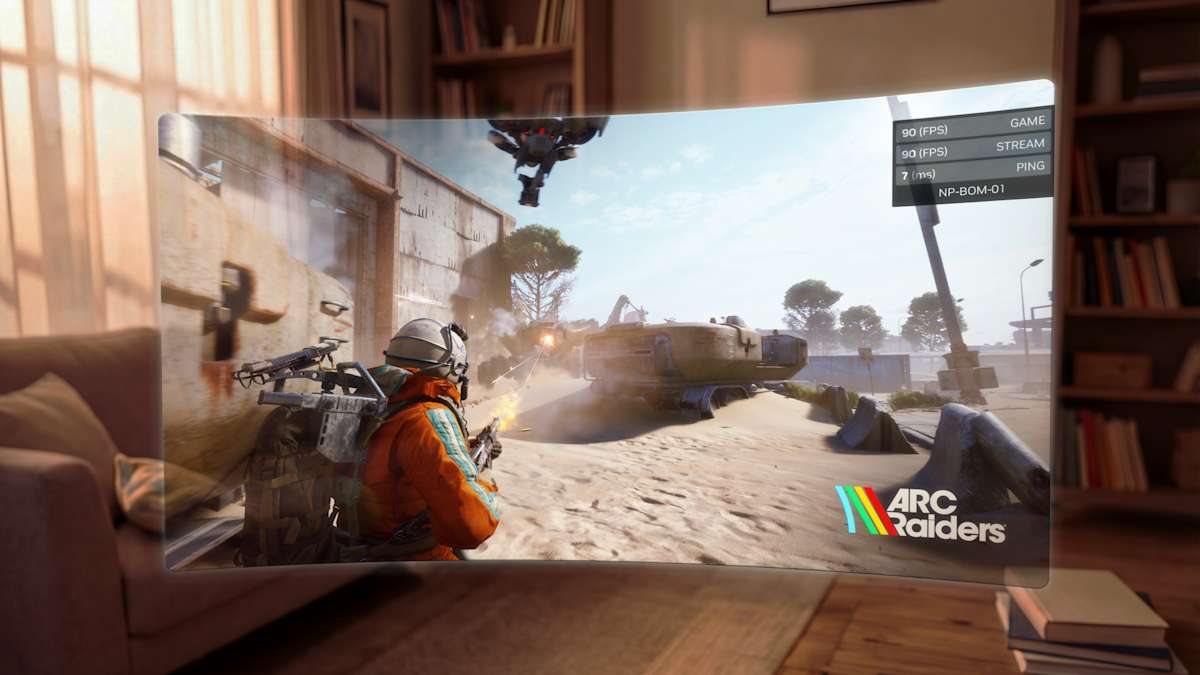
NVIDIA began rolling out a update to its GeForce NOW cloud gaming service on Wednesday that boosts virtual reality streaming from 60 frames per second to 90 fps on supported headsets, including Apple Vision Pro, Meta Quest devices, and Pico headsets. The upgrade, available exclusively to Ultimate tier subscribers, addresses a longstanding gap between cloud-streamed and locally rendered VR experiences.nvidia
“With support for up to 90 fps for Ultimate members, gameplay feels smoother, movement more natural and action more comfortable,” NVIDIA said in a blog post announcing the update.nvidia
The jump from 60 to 90 fps is not merely cosmetic. Most consumer VR headsets operate at a native 90Hz refresh rate, and frame rates that fall short of that threshold are a well-known trigger for motion sickness and visual discomfort. At 60 fps, cloud-streamed content on GeForce NOW had been noticeably less fluid than what users could achieve with local hardware, limiting the service’s appeal for headset owners.pcguide
NVIDIA first announced the upgrade at the Game Developers Conference earlier this month, with Engadget reporting that the March 19 rollout date was confirmed for Ultimate members. The feature works within GeForce NOW’s existing “virtual theater” mode, which renders PC games on a large virtual screen inside the headset rather than offering full motion-controlled VR gameplay.pcguide
Separately, NVIDIA has been deepening its partnership with Apple through CloudXR 6.0, announced at the GTC conference in San Jose. The technology natively integrates with visionOS, enabling RTX-powered PCs or cloud servers to stream content directly to Apple Vision Pro at up to 4K resolution and 120 fps.nvidia
A key feature is dynamic foveated streaming, which uses Vision Pro’s eye-tracking to deliver full resolution only where the user is looking while reducing detail in the periphery. NVIDIA says this approach can deliver a full VR-class experience at roughly 8 Mbps downstream. The integration opens the door to demanding enterprise applications like digital twins and automotive design review, as well as simulation titles such as iRacing and X-Plane.develop3d
GeForce NOW launched to the public on February 4, 2020, initially capped at 1080p and 60 fps. Six years later, the service runs on GeForce RTX 5080-class servers and has expanded to VR headsets, Steam Deck, smart TVs, and mobile devices. The VR push represents NVIDIA’s most direct attempt yet to prove that cloud gaming can meet the demands of latency-sensitive applications — though skeptics in the VR community remain unconvinced that streaming can fully replace local rendering for immersive content.reddit