







Newsletter Subscribe
Enter your email address below and subscribe to our newsletter

Enter your email address below and subscribe to our newsletter
All voices matter
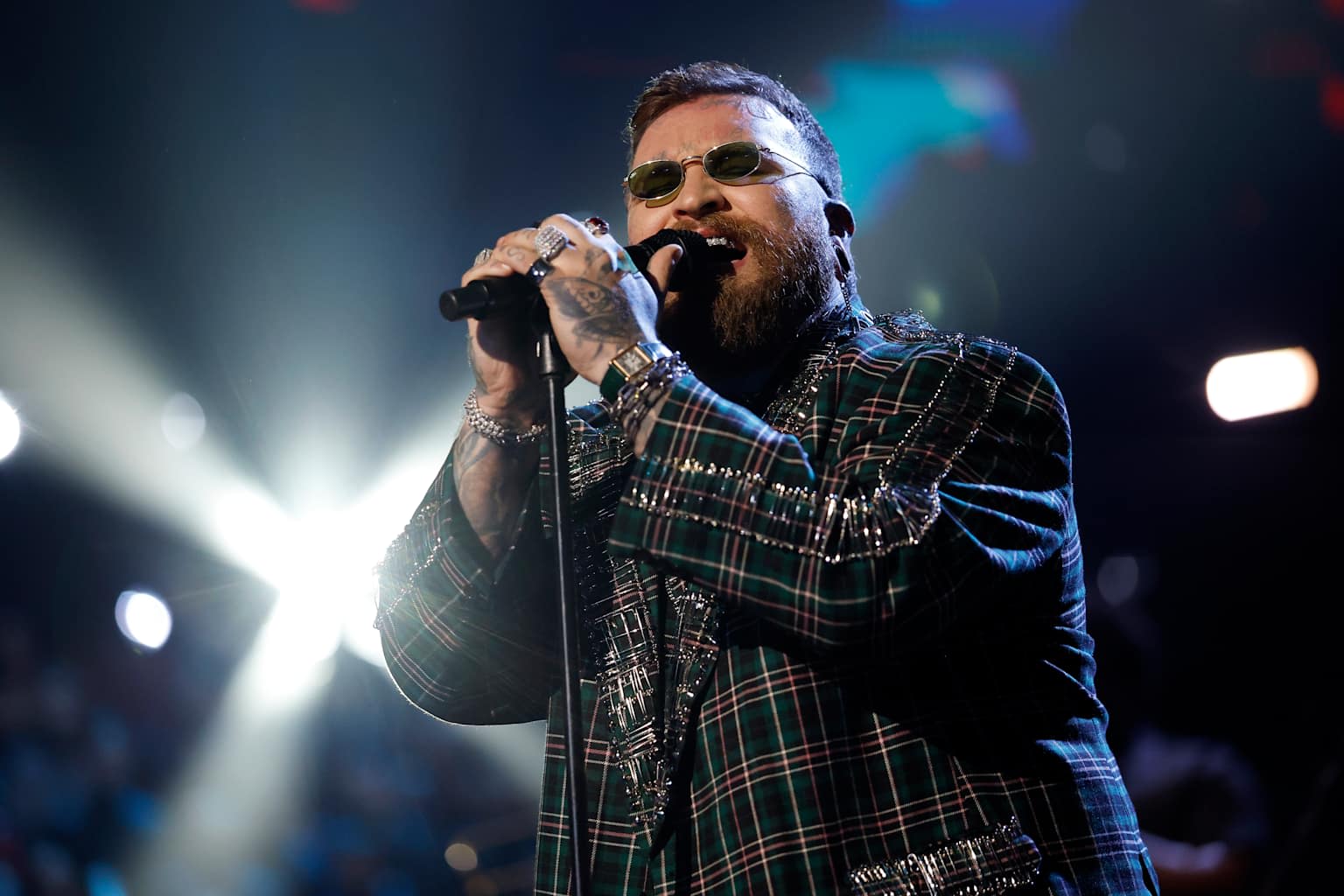
Grammy-nominated singer Teddy Swims is drawing criticism after revealing he incorporates artificial intelligence tools into his songwriting process, reigniting tensions over AI’s role in an industry already grappling with the technology’s rapid advancement.
Speaking at SXSW Sydney in October, the “Lose Control” singer described AI as “truly amazing” and “super helpful,” explaining how his producers use the technology to modify lyrics remotely and reimagine songs across different genres without months of traditional studio work. “Rather than me going [to] the studio and doing the line 15 times and spending that time and money and effort, he’s actually been able to go in and just change the word,” Swims told the audience.complex
But the admission, which resurfaced widely this week, has sparked online backlash as musicians worldwide protest AI’s encroachment on their livelihoods. The controversy comes as Breaking Rust—an entirely AI-generated country artist—topped Billboard’s Country Digital Song Sales chart in mid-November with “Walk My Walk,” a track later revealed to be built on the vocal style of real artist Blanco Brown without his knowledge.yahoo
Swims’ comments arrive at a pivotal moment for the music business. Major labels Universal Music Group, Warner Music Group, and Sony Music Entertainment have recently settled copyright lawsuits with AI platforms Suno and Udio, striking licensing deals that will allow users to remix established artists’ music starting in 2026. The agreements mark a shift from litigation to collaboration, though they require artists to opt in and maintain control over how their voices and likenesses are used.reuters
Meanwhile, over 1,000 musicians including Paul McCartney, Kate Bush, and Damon Albarn are releasing a silent protest album in December opposing UK copyright law changes that would allow AI companies to train on copyrighted works without licenses. McCartney’s contribution—a recording of an empty studio—aims to illustrate “the impact on artists’ and music professionals’ livelihoods” if protections fail.relix
Swims acknowledged AI’s darker side, recounting his frustration after discovering someone had created an AI-generated song using his voice. When he tried to use a chorus from the track, he learned the AI creator—not Swims—held the copyright. “You’d have to negotiate with him to use my own voice in a song I seemingly created,” he said. “That just sounds ridiculous”.abc
His manager Luke Conway emphasized that thousands of AI-generated Teddy Swims songs flood YouTube daily, arguing they shouldn’t receive the same royalties as authentic artists. Yet Swims’ own embrace of AI tools has drawn comparisons to those he criticizes, with social media users pointing to the contradiction.reddit
The backlash underscores broader anxieties as a Deezer study found 97% of listeners cannot distinguish AI-generated music from human-created tracks. For artists like musician Mark Henry Phillips, the technology threatens both livelihood and identity. “My special skill just isn’t that special anymore,” Phillips said in a recent interview. “From a musical and economic point of view, AI just has me beat”.dw