





Newsletter Subscribe
Enter your email address below and subscribe to our newsletter

Enter your email address below and subscribe to our newsletter
All voices matter
The 9th U.S. Circuit Court of Appeals today reversed a lower court ruling and reinstated a $600,000 jury verdict against Walt Disney, finding the entertainment giant vicariously infringed on motion-capture technology used in its 2017 live-action “Beauty and the Beast” film.courthousenews
The three-judge panel ruled that Rearden LLC presented sufficient evidence for a jury to conclude Disney had the practical ability to control its contractor Digital Domain 3.0’s allegedly infringing use of stolen facial-capture software. The decision overturns U.S. District Judge Jon Tigar’s August 2024 ruling that had favored Disney and voided the jury award.justia
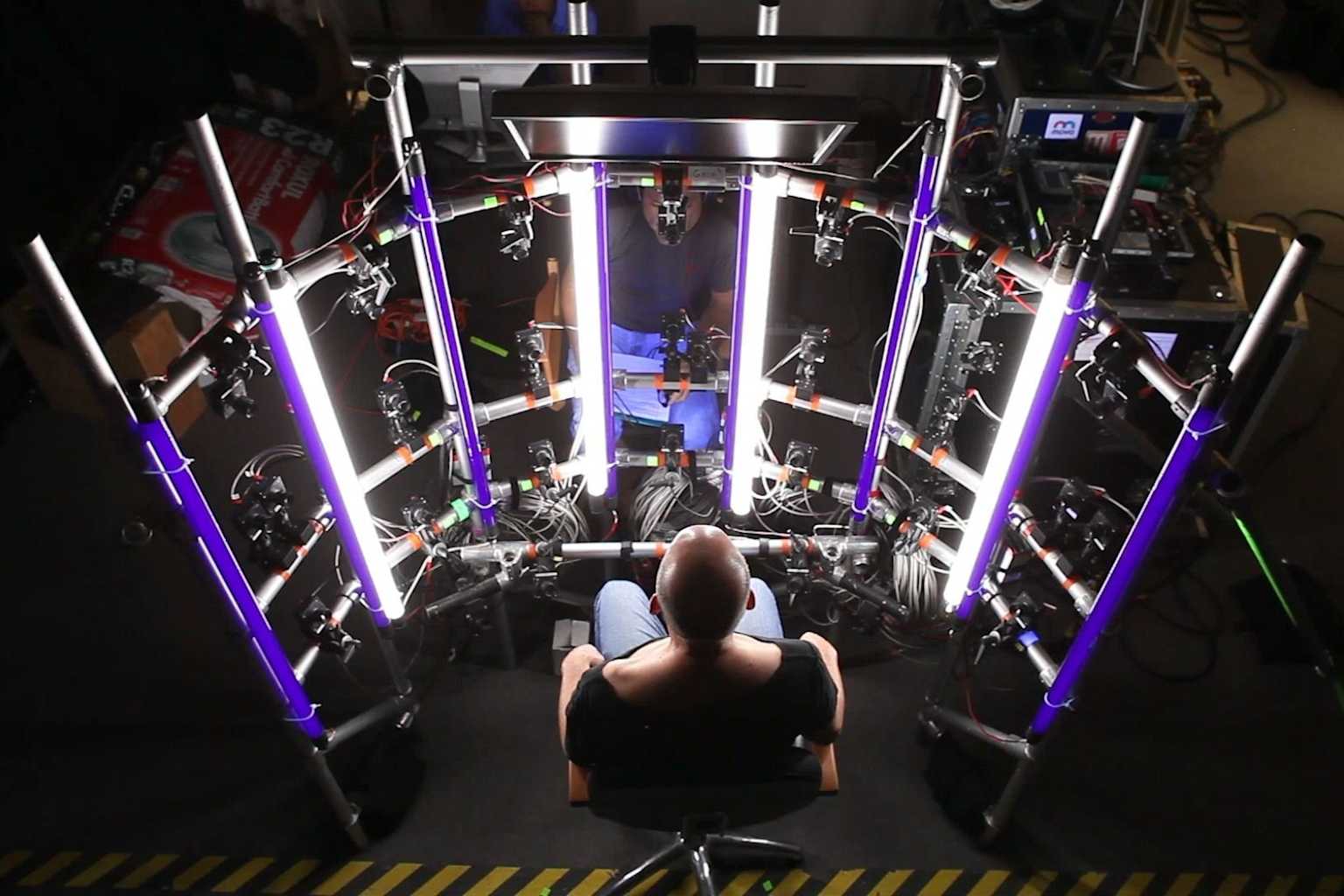
The legal dispute centers on Rearden’s MOVA Contour Reality Capture system, developed by former Apple engineer Steve Perlman, which uses phosphorescent makeup and synchronized cameras to transform actors’ facial expressions into computer-generated animations. Rearden sued Disney in 2017, claiming a “rogue” employee had stolen the technology and transferred it to Digital Domain 3.0, which Disney then contracted to create the Beast character in “Beauty and the Beast”.wdwnt
According to court documents, Disney representatives were present during all relevant motion-capture sessions where copyright notices appeared, and the studio’s contract with Digital Domain included provisions allowing termination for copyright infringement. A California jury initially awarded Rearden approximately $600,000 in December 2023, finding Disney vicariously liable for its contractor’s copyright violations.justia
Judge Tigar had overturned the jury verdict in August 2024, ruling that Disney lacked the practical ability to identify or control Digital Domain’s infringement since the studio was not directly involved in the animation process using Rearden’s software. The judge determined Disney could not have recognized that its visual effects contractor was violating copyright through unauthorized software use.reuters
However, the 9th Circuit disagreed, finding there was adequate evidence for jurors to conclude Disney could have intervened to prevent or limit Digital Domain’s improper conduct. The appeals court affirmed other aspects of the lower court’s ruling, including striking Rearden’s jury demand for profit disgorgement and excluding certain expert testimony.courthousenews
“Beauty and the Beast” grossed over $1.25 billion worldwide, though the jury rejected Rearden’s initial request for a share of those profits, determining the film’s success could not be largely attributed to the motion-capture technology. Disney and Rearden previously settled similar allegations regarding other films including “Avengers: Age of Ultron,” “Deadpool,” and “Guardians of the Galaxy” in June 2024.wdwnt