








Newsletter Subscribe
Enter your email address below and subscribe to our newsletter
Enter your email address below and subscribe to our newsletter

All voices matter
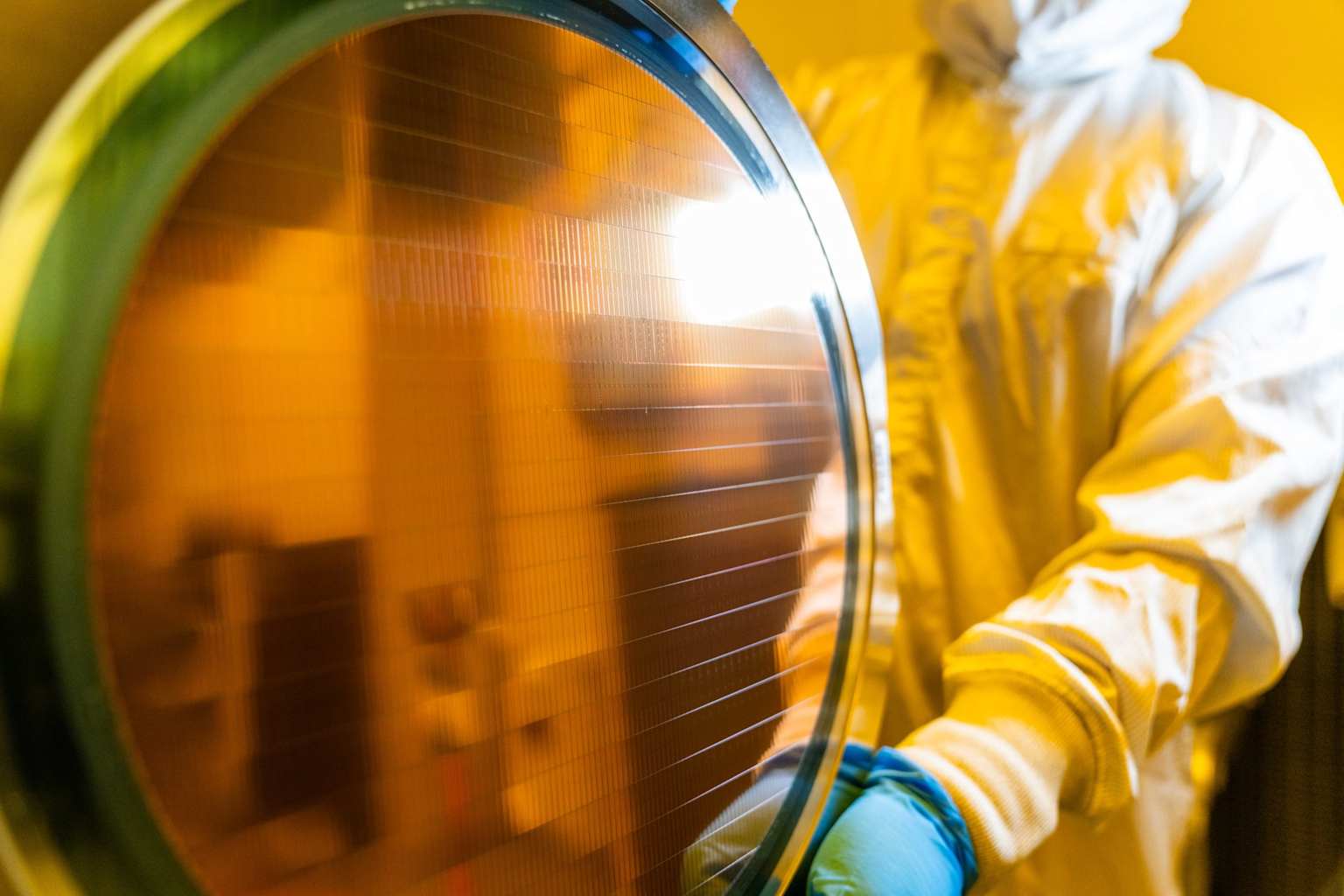
Alphabet is developing an upgraded version of its TPU v9 artificial intelligence chip, codenamed Triggerfish, with Taiwan’s MediaTek once again serving as its exclusive design partner, according to supply chain analyst Ming-Chi Kuo of TF International Securities.
Kuo disclosed on June 22 via a post on X that the Triggerfish chip builds on Google’s existing TPU v9 platform, internally known as Humufish, with enhanced inference capabilities tailored for advanced AI workloads including AI agents and reinforcement learning. The chip will feature a substantial memory upgrade with support for next-generation HBM4E memory, allowing more active workloads to remain on-chip.stocktwits
MediaTek secured the exclusive contract for Triggerfish at a higher price point than its earlier TPU collaboration with Google, reinforcing a partnership that has been developing since at least early 2025 when the Taiwanese chipmaker was first reported to be working on Google’s TPU designs as a cost-effective alternative to Broadcom.cryptobriefing
The Triggerfish deal is part of a broader strategic shift for MediaTek, which Kuo described in a separate note earlier this month. The chipmaker has elevated its AI business from chip and ASIC design to “system-level design,” initially targeting printed circuit board assembly for Google’s TPU line. MediaTek’s v9 project is expected to use a 2-nanometer process and incorporate next-generation memory.investing
Google has been rapidly expanding its custom silicon portfolio. At Google Cloud Next 2026 in April, the company unveiled its eighth-generation TPUs split into two dedicated chips — TPU 8t for training and TPU 8i for inference — marking the first time Google separated these functions into distinct hardware. The TPU v8 chips, codenamed Humufish, are expected to use Intel Foundry’s EMIB packaging technology and reach mass production by late 2027.wccftech
The Triggerfish development underscores Google’s position as one of the few hyperscalers pursuing a large-scale in-house AI chip roadmap rather than relying solely on third-party accelerators. Amazon has adopted a similar approach with its Trainium chips, and both companies are offering custom silicon as alternatives to traditional GPUs.reddit
Kuo has estimated TPU demand could reach 12 million units by 2027, reflecting the scale of Google’s ambitions as the industry shifts toward inference-heavy agentic AI workloads.substack