










Newsletter Subscribe
Enter your email address below and subscribe to our newsletter
Enter your email address below and subscribe to our newsletter

All voices matter
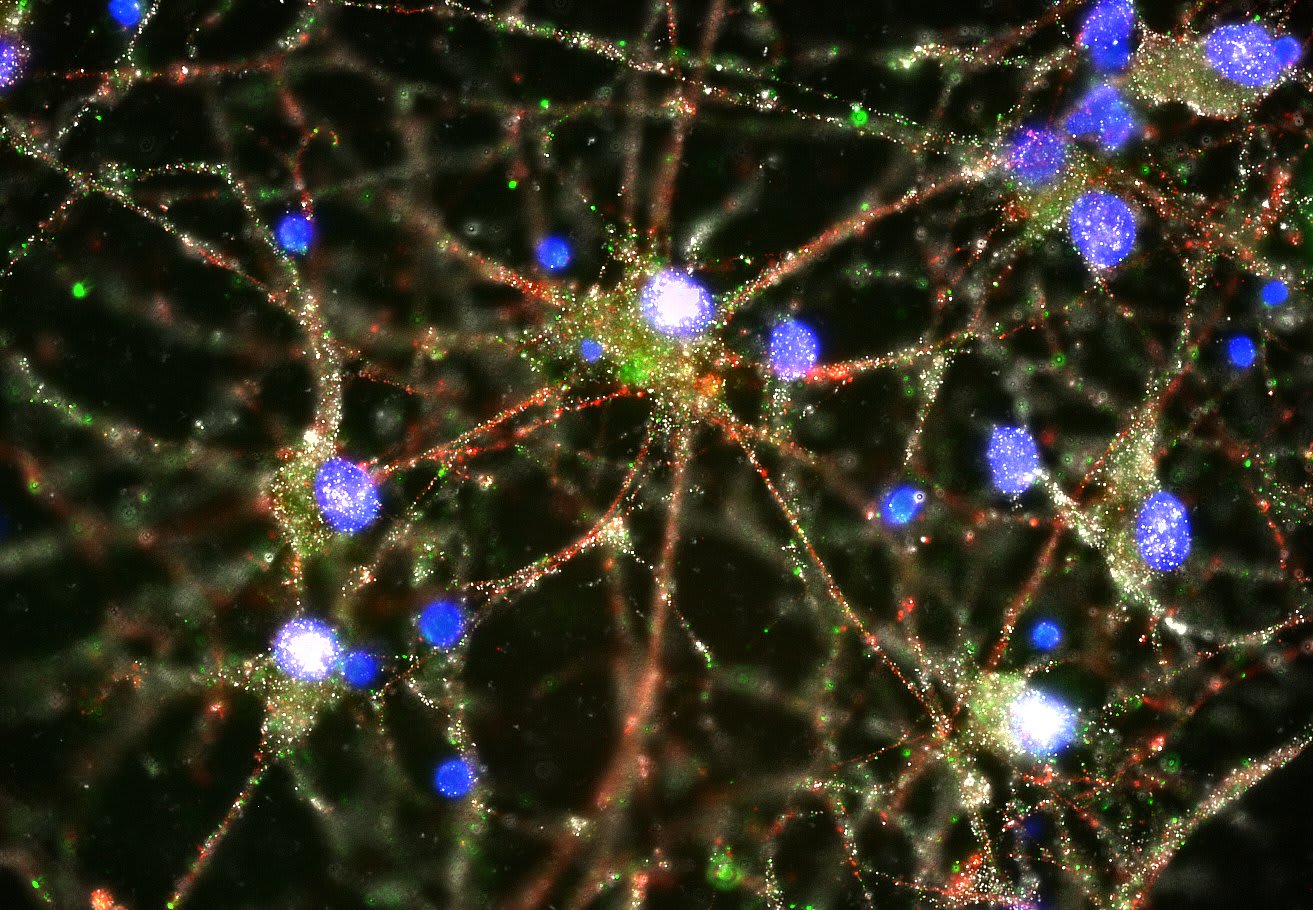
Researchers have identified 641 previously unrecognized genes associated with schizophrenia by mapping how gene networks communicate across the brain, a finding that could reshape the search for targeted treatments of one of psychiatry’s most complex disorders.
The study, published in Nature Genetics on June 22, was led by the Lieber Institute for Brain Development in Baltimore, in collaboration with the University of Bari in Italy and more than 60 psychiatric hospitals worldwide. The team analyzed genetic data from over 102,000 individuals and postmortem brain tissue samples from hundreds of donors across six cortical regions.eurekalert
Traditional genetic studies focus on DNA variants in the immediate vicinity of known genes. But the new computational approach models long-range regulatory relationships among genes — capturing how distant variants coordinate their effects in ways analogous to social networks connecting people who do not live near each other.eurekalert
“Most genetic studies have been looking for the light under the lamppost, focusing only on genes close to disease-associated DNA variants,” said Dr. Giulio Pergola, senior author and researcher at the Lieber Institute. “By incorporating gene co-expression networks, we’ve essentially turned on lights across the entire neighborhood, revealing how distant genetic variants coordinate to build the genetic basis of schizophrenia.”eurekalert
The newly identified genes cluster around biological pathways involved in glutamate signaling, brain-cell communication, immune processes, and neurodevelopment. These pathways offer potential entry points for therapies that go beyond the dopamine-focused drugs that have dominated schizophrenia treatment for decades.medicalxpress
“This work demonstrates that schizophrenia risk isn’t just about individual genes acting one after another — it’s about how networks of genes work together,” said Dr. Daniel Weinberger, CEO and Director of the Lieber Institute. “Understanding these coordinated genetic programs brings us closer to precision psychiatry, where treatments can be tailored to an individual’s specific biological profile.”eurekalert
The findings arrive amid rapid advances in schizophrenia genetics. A landmark 2014 study first identified 108 genome regions linked to the disorder, and earlier this year a separate international consortium uncovered more than 100 additional genetic regions by including African-ancestry populations for the first time. The Lieber Institute study builds on this momentum by moving from cataloguing risk variants to explaining how they function together within the brain’s regulatory architecture.time