







Newsletter Subscribe
Enter your email address below and subscribe to our newsletter
Enter your email address below and subscribe to our newsletter

All voices matter
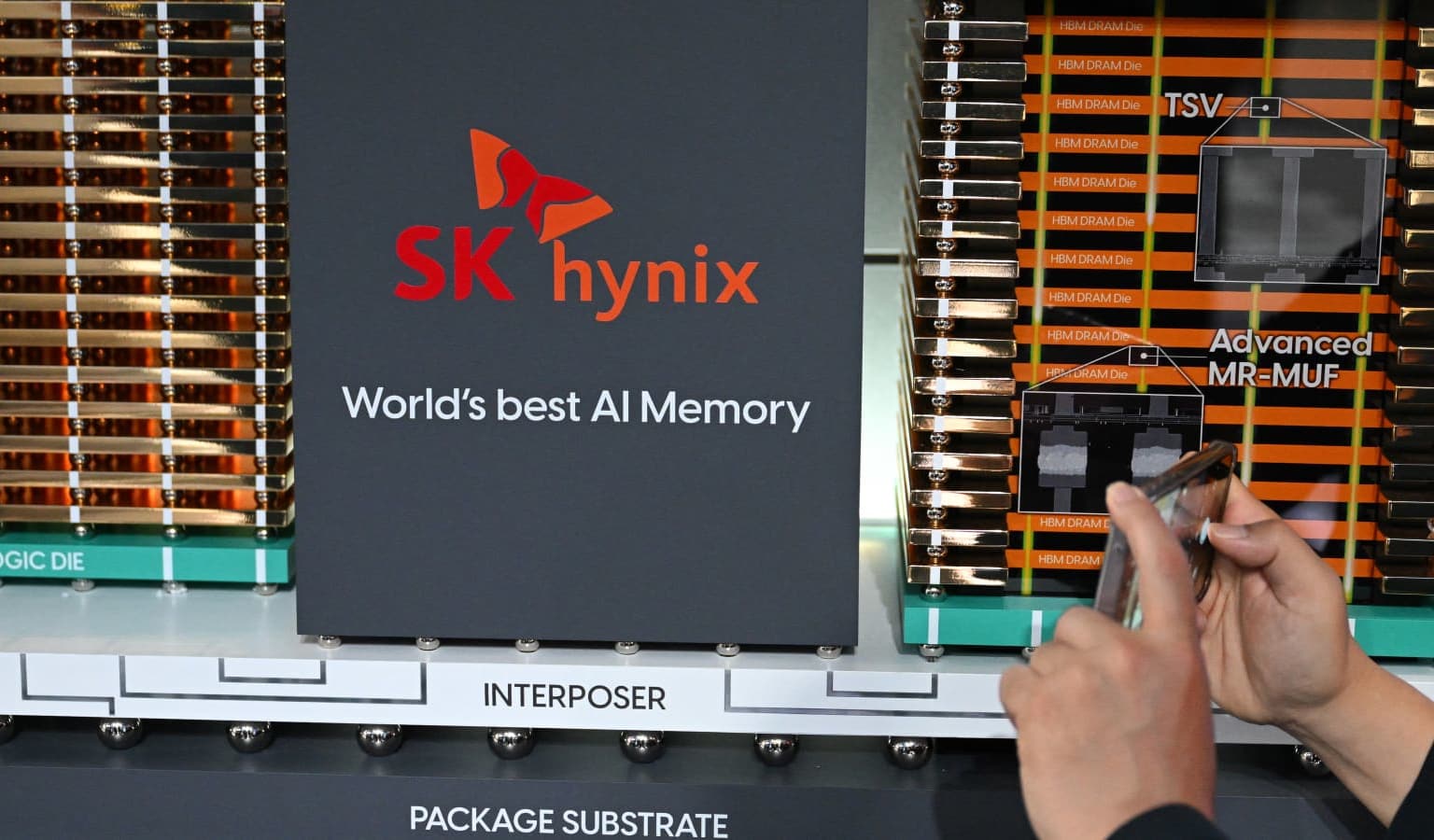
The global memory chip shortage has entered a new phase, with the scarcity now reaching decades-old DRAM standards as manufacturers scramble to secure any available supply. On the same day, SK Hynix dethroned Samsung Electronics as South Korea’s most valuable company for the first time in 26 years, underscoring how AI-driven chip demand is reshaping the semiconductor hierarchy.
TrendForce reported on June 22 that structural tightening in mature-node DRAM supply is forcing buyers to adopt legacy memory products, triggering a wave of demand for older-generation components including DDR2 and DDR3. DDR2 contract prices rose 55 to 60 percent in the second quarter of 2026, with a further 35 to 40 percent increase forecast for the third quarter. The Next Web reported that hardware makers are downgrading their memory specifications to older generations in order to secure supply at all.trendforce
The crisis stems from a structural reallocation of manufacturing capacity. Producing one gigabyte of High Bandwidth Memory consumes roughly three to four times the wafer capacity of standard DDR5, and the industry’s three dominant manufacturers — Samsung, SK Hynix, and Micron Technology — have aggressively shifted production toward high-margin AI components. IDC projects smartphones, PCs, and tablets could see price increases of 10 to 20 percent by year’s end.thenextweb
On Monday, SK Hynix surpassed Samsung Electronics in market capitalization during intraday trading, reaching approximately 2,082 trillion won ($1.35 trillion), according to Reuters. Samsung’s market value stood at 2,081 trillion won excluding preferred shares. It marks the first time since November 2000 that Samsung has been displaced from the top position in South Korea.reuters
SK Hynix commanded 61 percent of the global HBM market by 2025, outpacing Samsung at 17 percent and Micron at 21 percent. The company posted a 72 percent operating margin in the first quarter of 2026, anchored by its dominance in supplying HBM chips for Nvidia AI accelerators.mezha
Industry leaders have offered little optimism about the timeline for recovery. Intel CEO Lip-Bu Tan said at a recent conference, “There’s no relief until 2028”. SK Hynix’s CEO has estimated the shortage will last until 2030, while a 2026 analysis by consulting firm Kearney’s PERLab reached a similar conclusion. SanDisk, which was spun off from Western Digital and trades independently, has seen its shares surge over 450 percent year to date as NAND flash shortages intensify.robinhood
The shortage represents a fundamental shift in how the memory industry operates — one driven not by pandemic disruptions but by the insatiable demands of artificial intelligence infrastructure that shows no sign of slowing.