





Newsletter Subscribe
Enter your email address below and subscribe to our newsletter

Enter your email address below and subscribe to our newsletter
All voices matter
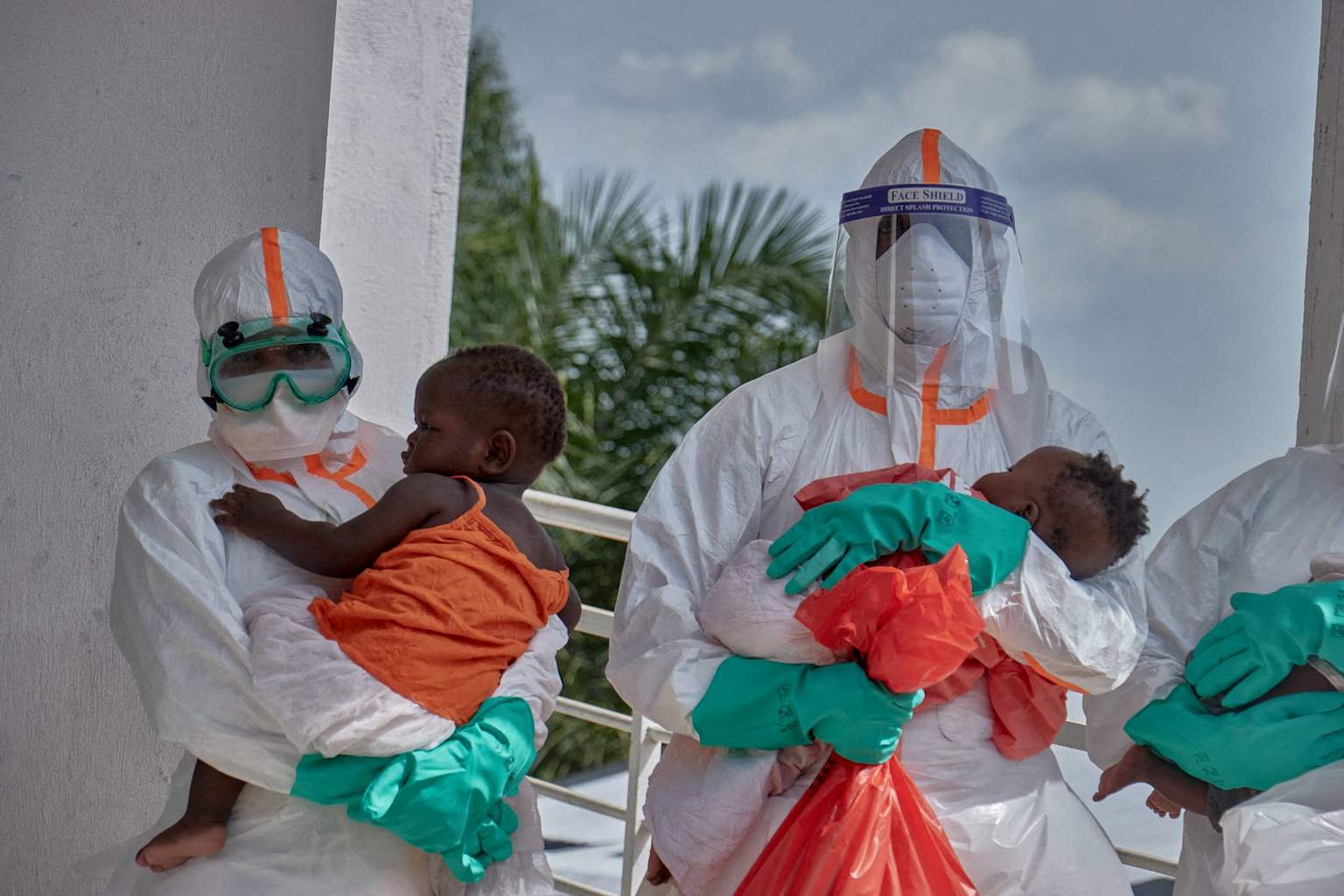
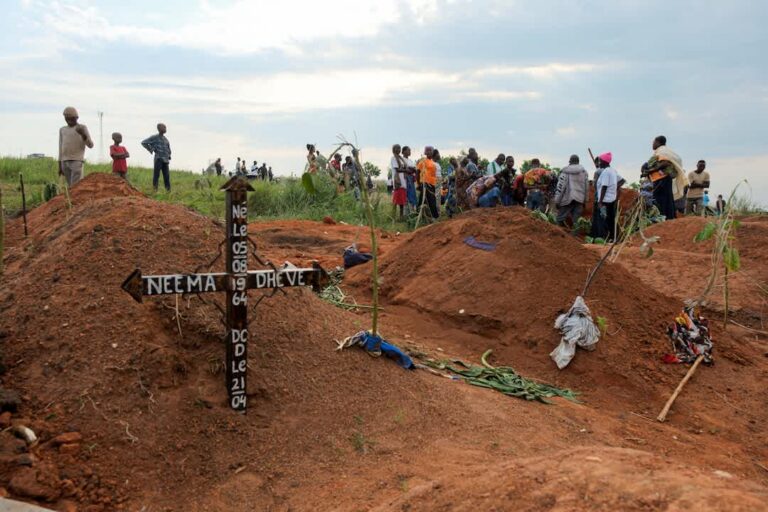
Ebola patients in the Democratic Republic of Congo are abandoning treatment centers in search of food, complicating an already dire response to the third largest Ebola outbreak in history. More than 150 patients have fled facilities in eastern Congo, where widespread hunger has emerged as one of the greatest barriers to halting the virus’s spread.bloomberg
The outbreak, caused by the rare Bundibugyo strain for which no approved vaccine or treatment exists, has now reached 894 confirmed cases and 204 deaths across Congo and Uganda, according to Africa’s Centres for Disease Control and Prevention. The Washington Post reported Thursday that the epidemic is three times more severe at this stage than any previous Ebola outbreak on record.washingtonpost
Congo’s Ituri province accounts for more than 90 percent of cases, with additional infections in North Kivu, South Kivu, and 19 confirmed cases in Uganda. As of June 16, the DRC Ministry of Health reported 837 confirmed cases and 196 deaths within its borders alone.europa
David Stevenson, who oversees the World Food Programme’s operations in Congo, told Bloomberg that responders are “knocking on our door and stating, ‘We require food aid if we are to eradicate Ebola.'” He added: “I have never witnessed anything similar.”bloomberg
Nearly 10 million people in eastern Congo face crisis-level food insecurity, part of a broader emergency affecting 26.5 million across the country. WFP is providing weekly food rations to registered contacts of Ebola patients and has begun delivering meals at treatment centers to prevent people from leaving containment zones. The agency requires $175 million over the next six months to sustain its life-saving operations in eastern Congo.allafrica
The hunger crisis has compounded other challenges. Treatment facilities have faced arson attacks, including incidents in Rwampara and Mongbwalu where tents were set ablaze and dozens of patients escaped into surrounding communities. Health workers already contending with supply shortages must now reckon with community resistance fueled by mistrust and desperation.bbc
The Bundibugyo strain has a mortality rate between 25 and 40 percent, lower than other Ebola types but still lethal. Experimental monoclonal antibody therapies are under development but none have been approved. The WHO declared the outbreak a Public Health Emergency of International Concern on May 17.nbcnews
Africa CDC Director General Jean Kaseya warned this week that if infection rates do not flatten, the outbreak could persist for up to a year and infect thousands more. With conflict, limited surveillance, and restricted access to testing continuing to obscure the epidemic’s true scale, responders say the situation may be worse than official numbers suggest.nytimes