Newsletter Subscribe
Enter your email address below and subscribe to our newsletter
Enter your email address below and subscribe to our newsletter

All voices matter
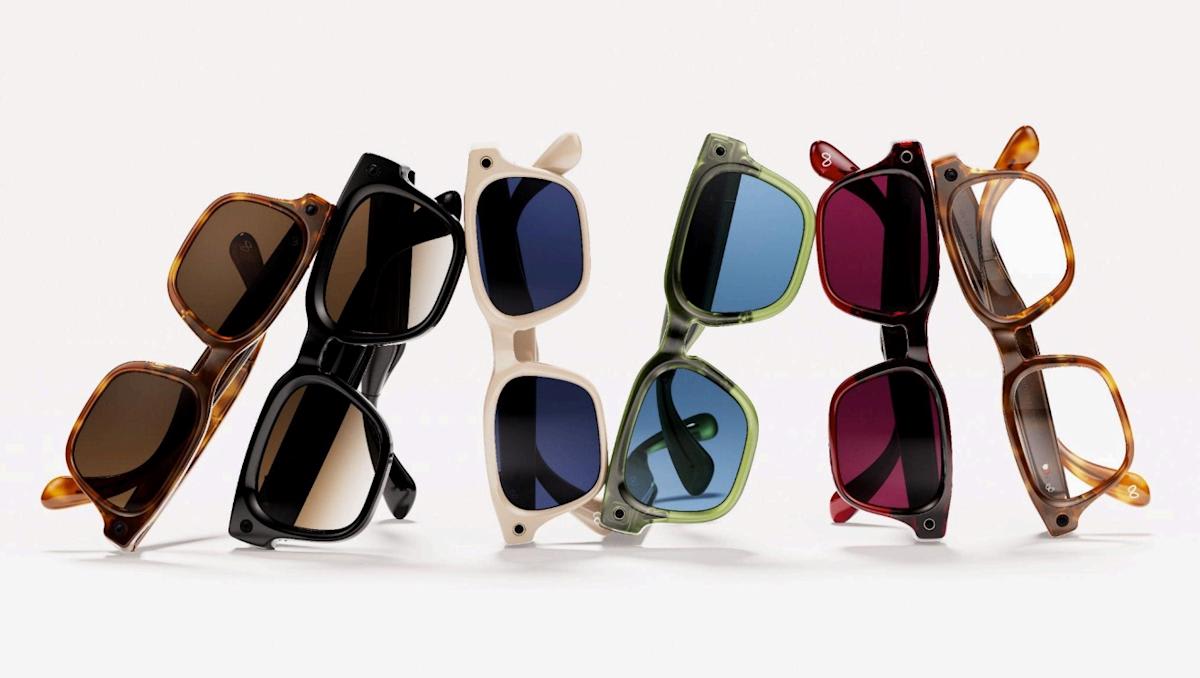
Meta on Tuesday unveiled a new line of AI-powered smart glasses starting at $299, marking the company’s first foray into lower-priced wearables under its own brand rather than the Ray-Ban label. The launch comes as the company faces intensifying scrutiny over facial recognition development, lawsuits over data practices, and reports of the devices being used to harass women.
The new lineup includes the Meta Adventurer and Fury models at $299 each — $80 less than the second-generation Ray-Ban Meta Wayfarer — along with a $399 Starfire model created in collaboration with Kylie Jenner. The glasses feature hardware similar to Meta’s existing screen-less smart glasses and come pre-installed with Muse Spark, the first AI model from Meta Superintelligence Labs, which launched in April with multimodal perception capabilities.theverge
Alex Himel, Meta’s vice president of wearables, told Bloomberg that the new approach responds to demand for “a more accessible price point,” adding that Meta and its manufacturing partner EssilorLuxottica decided to position the Meta brand at a lower tier below Ray-Ban Meta and Oakley Meta. The glasses also offer turn-by-turn pedestrian navigation, a feature Meta expanded to all 50 U.S. states earlier this year.investing
The product launch arrives against a backdrop of mounting privacy controversies. In early June, WIRED reported that Meta had quietly embedded dormant facial recognition code — internally called “NameTag” — into its Meta AI app, which is installed on more than 50 million devices. The code, when activated, would create a biometric signature for each face captured by the glasses’ camera and alert wearers when it recognizes someone. Meta removed the code after the report, with spokesperson Ryan Daniels stating, “No final decision has been made on what to do here, if anything”.malwarebytes
The revelation followed months of pressure. More than 70 advocacy groups, including the ACLU and Electronic Frontier Foundation, urged Meta in April to abandon the feature. Texas Attorney General Ken Paxton opened an investigation in May, and Meta faces a class action lawsuit filed in March alleging it violated privacy laws after Swedish newspapers revealed that subcontractors in Kenya were reviewing sensitive footage from customers’ glasses.business-humanrights
Reports of the glasses being used to covertly film women have added another dimension to the backlash. Women have been recorded without consent by men wearing the devices in public, with videos posted to social media platforms. Universities have issued safety advisories after incidents on campuses. Meta has maintained that its terms of service prohibit using the glasses for harassment and that a small LED indicator activates during recording, though critics note the light can be covered or missed.nationaltoday
Himel’s internal memo, reported by The Information in late May, outlined plans to sell 10 million wearables in the second half of 2026 and release up to four new models this year. Whether the company’s privacy commitments can keep pace with that ambition remains an open question.roadtovr