







Newsletter Subscribe
Enter your email address below and subscribe to our newsletter

Enter your email address below and subscribe to our newsletter
All voices matter
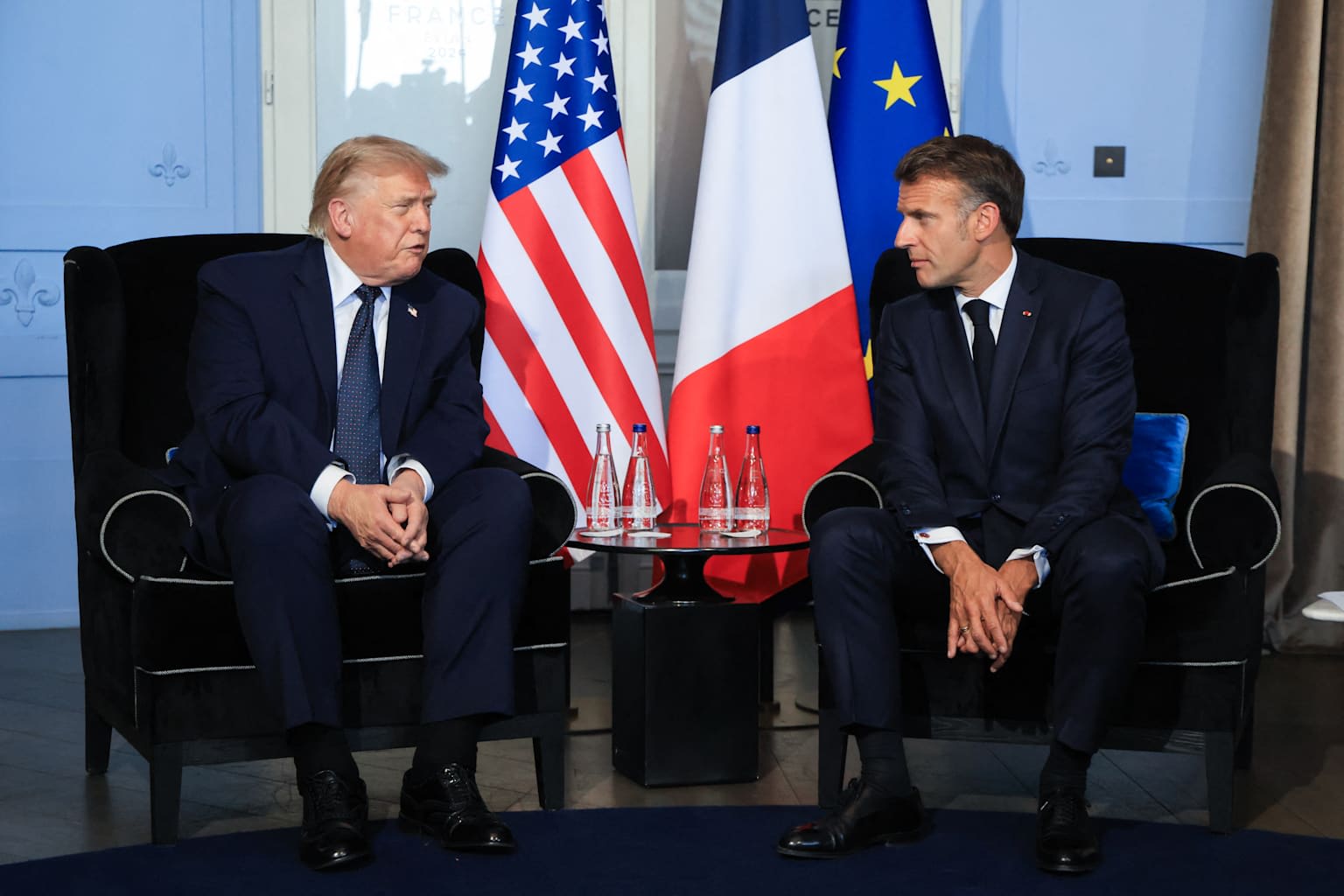
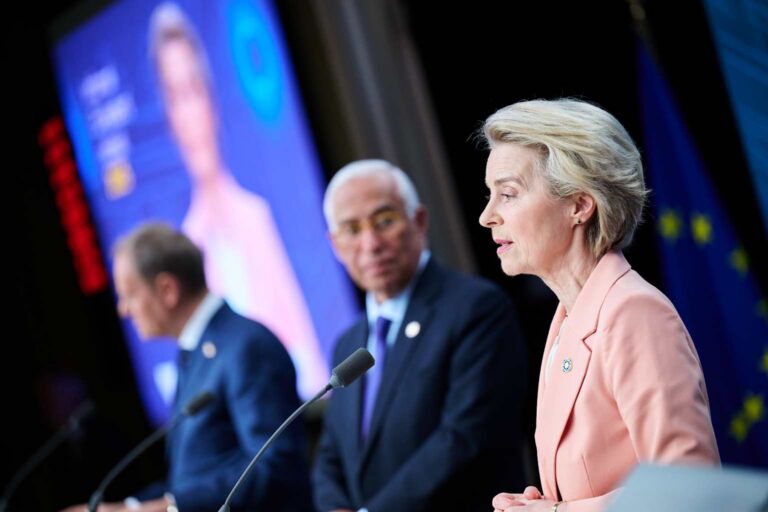
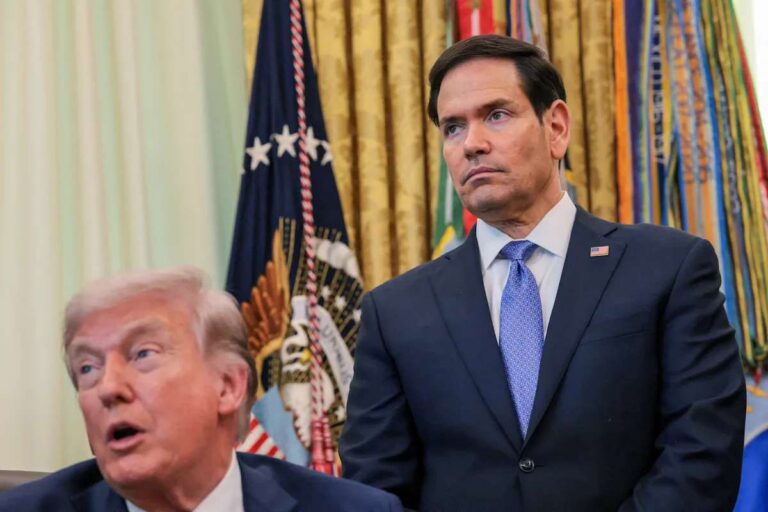
French President Emmanuel Macron said Donald Trump arrived at the G7 summit believing Ukraine would lose its war against Russia but left with a changed assessment, describing a transformation in U.S. posture that culminated in a joint pledge to increase pressure on Moscow.
“He came thinking that Ukraine would lose. But he changed his mind,” Macron said in an interview with France 2 on Friday, June 19. The French president traced the evolution back to Trump’s return to the White House in January 2025, saying Trump initially pushed for a rapid peace deal — one that would have required Kyiv to cede territory Russia had not even captured.iz
Speaking after the three-day summit in Évian-les-Bains, which concluded on June 17, Macron said European leaders had traveled to Washington last summer to argue those terms were unacceptable. Over the months that followed, he said, Trump came to see that predictions of Ukraine’s collapse “turned out to be false.”meduza
“President Trump saw that everything he had been told — that they would fall, that they would not survive the winter — turned out to be false. He saw before him courageous, resourceful people whom he respects,” Macron said.rbc
At Évian, the shift translated into policy. G7 leaders issued a joint statement pledging to increase deliveries of air defense systems, interceptor missiles, and long-range weapons to Ukraine, while committing to “consider extending to Ukraine the benefit of licenses” for domestic missile production. Macron declared “America is with us on Ukraine” after Trump joined a three-way phone call with Ukrainian President Volodymyr Zelenskyy from Versailles.washingtontimes
Zelenskyy confirmed the shift in Washington’s tone. “The President of the United States has been very clear about increasing pressure on Russia to end this terrible war,” he said on Thursday. At the summit, Zelenskyy said G7 leaders agreed Russia was not winning the war and discussed additional sanctions targeting Russian oil, banking, and military production.anews
The diplomatic momentum carried into a Ramstein-format defense meeting on June 18, where allied nations announced roughly $4 billion in new military aid, including nearly $1 billion for Patriot air defense missiles, over $1 billion for drones — with the United Kingdom funding 150,000 Ukrainian-made drones — and about $540 million for long-range artillery.ua
Despite the upbeat language, analysts noted the G7 joint statement stopped short of firm commitments on missile licensing, using the phrase “ready to consider” rather than announcing concrete timelines or manufacturers. And while Trump told reporters in Évian that “Russia should make a deal,” he offered few specifics on how Washington would compel Moscow to negotiate. The Kremlin continues to reject the idea of direct talks with Kyiv.euronews