Newsletter Subscribe
Enter your email address below and subscribe to our newsletter
Enter your email address below and subscribe to our newsletter

All voices matter
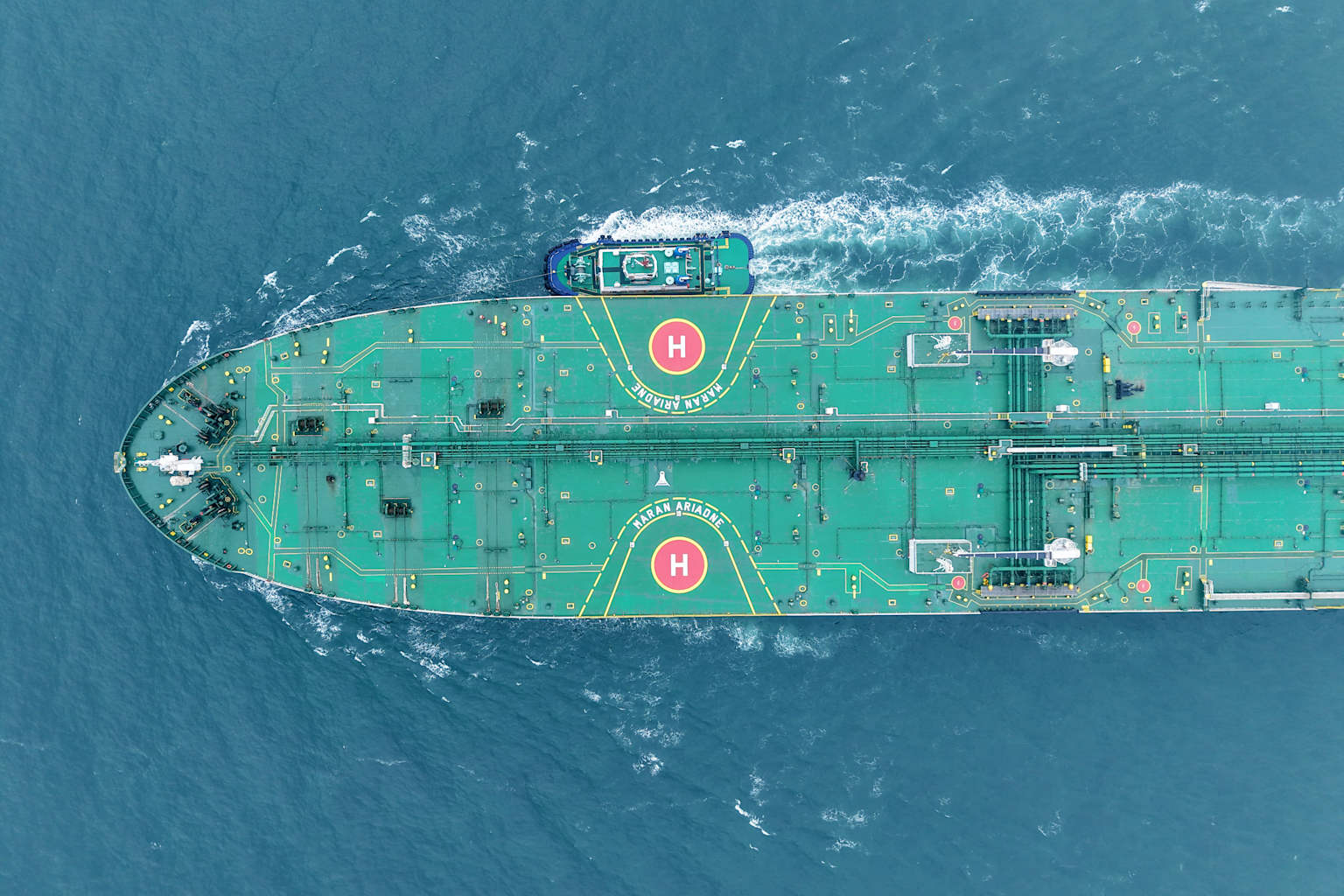
A supertanker operated by South Korean shipowner Sinokor has been provisionally booked to transport crude oil from the Persian Gulf to India at 897 Worldscale points — nearly nine times the standard freight benchmark and the highest single fixture recorded so far in 2026, according to shipbrokers cited by The Edge Singapore and other reports.reuters
The booking underscores the extreme tightness gripping tanker markets in the Gulf, where a severe shortage of available vessels continues to push freight costs to levels that would have been unthinkable a year ago.
The record fixture comes amid a broader surge in Gulf tanker rates. Reuters reported on Monday that average daily earnings for very large crude carriers transiting the Strait of Hormuz had climbed to nearly $470,000, up more than $50,000 from the prior week, while rates for tankers operating outside the strait jumped to $190,500 per day from $106,500 a week earlier.dawn
The market dislocation traces back to the U.S.-Iran conflict that escalated on February 28, when strikes on Iran effectively shut the Strait of Hormuz to normal commercial shipping. At the peak of the disruption, transits through the strait — which normally sees about 125 vessels per day — fell by as much as 95%. Major marine insurers withdrew war risk coverage for vessels in the region, and shipowners pulled their fleets out of the Gulf en masse.cnbc
Although traffic through Hormuz has begun to increase — the U.S. Navy said in June it had escorted 200 commercial vessels and more than 100 million barrels of oil through the strait over the prior month — the flow remains a fraction of pre-crisis levels. Frontline CEO Lars Barstad told CNBC that only five to ten vessels were making the daily transit, compared with 130 to 140 before the conflict.cnbc
Roughly 100 tankers remain stranded inside the Gulf carrying cargo, further reducing the pool of ships available for new bookings. At the same time, Middle Eastern producers — notably Abu Dhabi National Oil Company — have ramped up tenders this month, encouraging buyers to source crude from within the Gulf and intensifying demand for the limited tonnage.reuters
Sinokor’s dominance of the VLCC market has amplified the supply squeeze. The South Korean group, backed by Mediterranean Shipping Company, amassed control of roughly 120 to 150 very large crude carriers earlier this year, representing up to 40% of the unsanctioned fleet available for hire globally, according to Signal Ocean data cited by Bloomberg. In early March, Sinokor was quoting 700 Worldscale points — about $20 per barrel — to ship Gulf crude to China, a more than threefold increase from days earlier. The 897-point fixture reported this week marks a further escalation, reflecting persistent scarcity and the elevated war-risk premiums that shipowners continue to demand for operating in the region.oilprice