Newsletter Subscribe
Enter your email address below and subscribe to our newsletter
Enter your email address below and subscribe to our newsletter

All voices matter
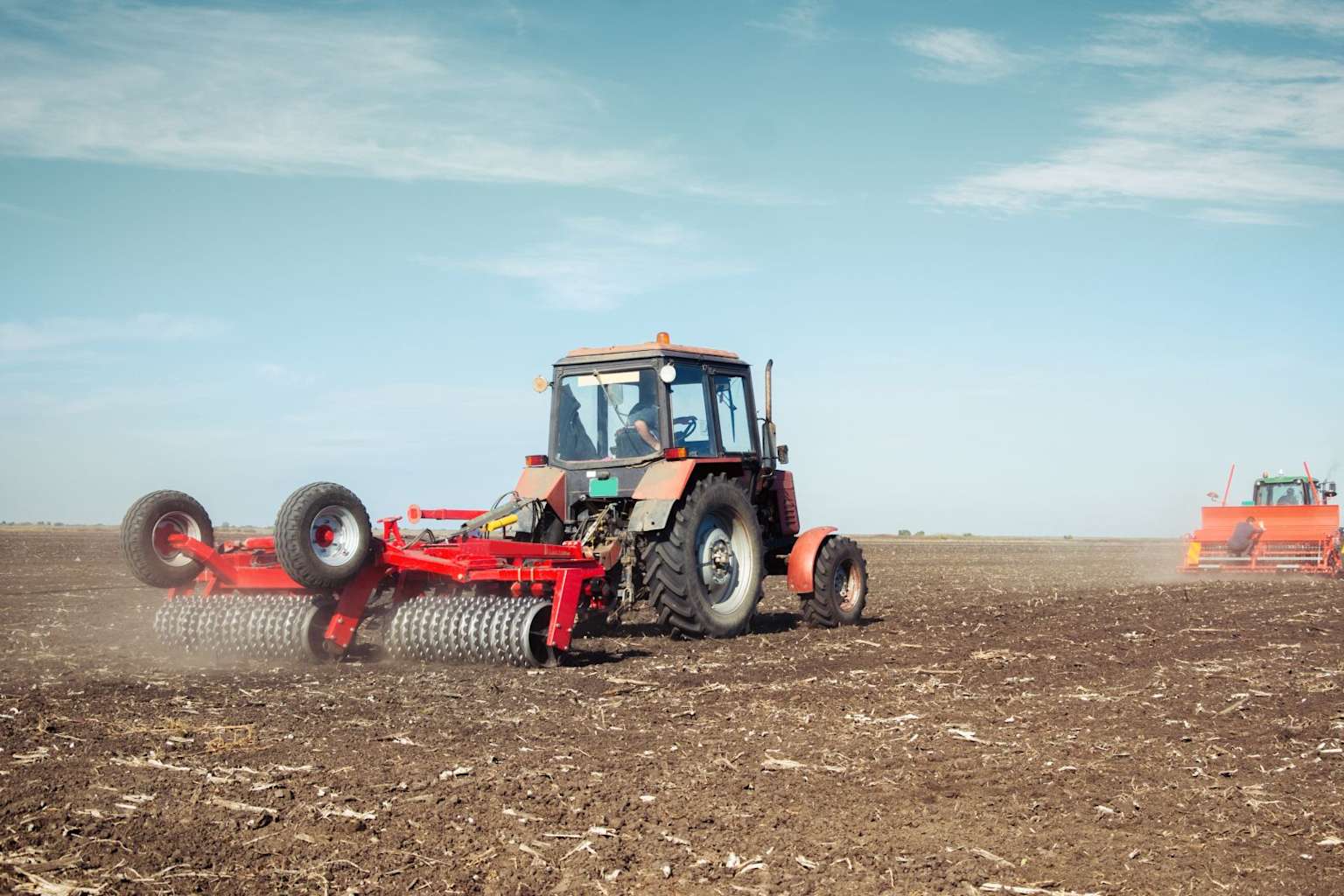
A convergence of extreme weather and war-driven supply disruptions is raising alarms among economists and strategists who warn that global food prices could spike sharply through 2027. The Japan Meteorological Agency formally declared the onset of El Niño in early June, becoming the first major weather organization to do so, while NOAA’s Climate Prediction Center confirmed El Niño conditions are present and expected to strengthen through the Northern Hemisphere winter of 2026-27.noaa
Rory Green, TS Lombard’s chief China economist, issued a note titled “Super El Niño: Famine Follows War?” warning that the weather phenomenon, combined with war-related disruptions to energy and fertilizer markets, could create unprecedented pressure on food prices. Green wrote that “El Niño raises temperatures and significantly exacerbates both drought and heavy rainfall,” describing it as “an inflationary shock via the food price channel – a shock that will likely be compounded by existing war-related high fertilizer costs.”mexc
Schroders head of global economics David Rees echoed the concern, noting that if past correlations hold, a very strong El Niño would imply a doubling of global food prices from current levels over the next year. Rees warned that if the UN FAO food price index rises 50% by year-end, “the usual lags mean G7 food inflation would probably hit double digits in 2027 – enough to add over a percentage point to headline inflation.”schroders
The climate threat arrives as the closure of the Strait of Hormuz has already disrupted roughly one-third of global seaborne fertilizer trade. According to the World Bank, fertilizer prices rose more than 12% in the first quarter of 2026, with nitrogen urea prices climbing above $850 per metric ton in April — up 80% since February. The FAO warned in February that the resulting fertilizer scarcity “will lead to lower yields and tightening food supplies in the latter half of 2026 and into 2027.”worldbank
Nearly 50% of global urea exports originate from countries west of the Strait, and production outages across the Middle East — including halted ammonia output in Iran and suspended urea production in Qatar — have intensified supply pressures.tfi
Rice, sugar, cocoa, and cooking oils face the greatest supply risks from El Niño, while wheat and corn are vulnerable to the fertilizer shortage. India and Southeast Asia are identified as the most exposed regions, with India’s monsoon already forecast at below-normal levels and agricultural inflation having reached 14.33% during the last El Niño cycle. Latin America also faces acute risk, with Peru already halting fishing operations as effects take hold.fortune
NOAA estimates an 82% chance that El Niño persists through summer, with roughly a one-in-three chance it reaches “super” intensity — ocean surface temperatures exceeding 2 degrees Celsius above average. Whether it reaches that threshold will determine if the world faces a manageable price increase or what Green calls a “historically large impact on global food prices.”mexc