Newsletter Subscribe
Enter your email address below and subscribe to our newsletter

Enter your email address below and subscribe to our newsletter
All voices matter
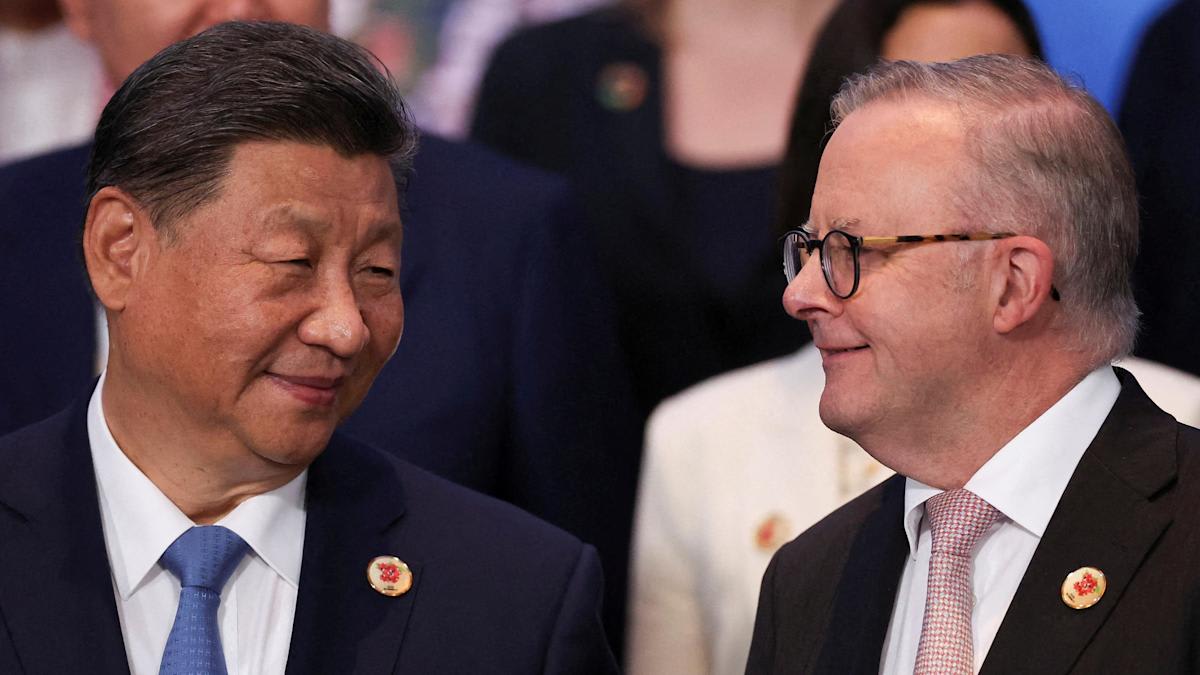
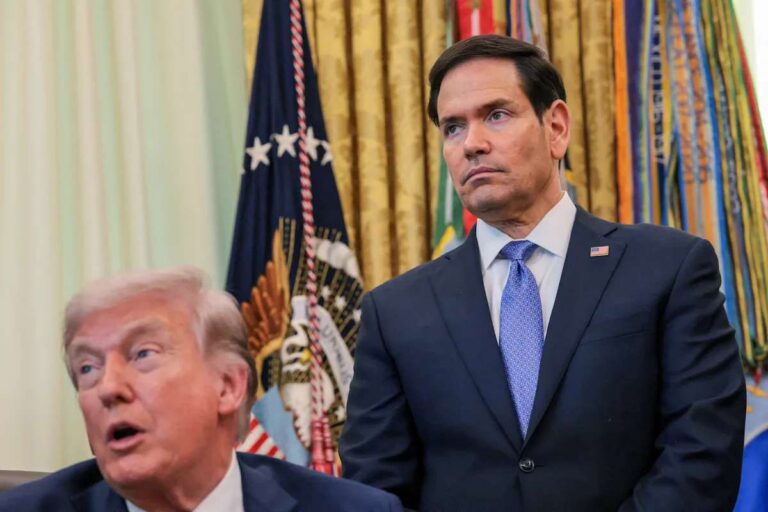
As President Donald Trump concluded a two-day state visit to Beijing this week, a parallel trend has drawn scrutiny from foreign policy analysts: several of Washington’s closest allies have been independently building stronger trade and diplomatic relationships with China, driven by uncertainty over U.S. trade policy and sweeping tariffs.
A Council on Foreign Relations analysis published on May 14 by Clara Fong highlighted how countries including Canada, the United Kingdom, France, South Korea, and Australia have moved to diversify their economic partnerships with Beijing. The piece arrived as Trump and Chinese President Xi Jinping held talks covering trade, Iran, Taiwan, and energy purchases.cnbc
The most striking example came in January, when Canadian Prime Minister Mark Carney traveled to Beijing and announced a “preliminary but landmark” deal to allow up to 49,000 Chinese electric vehicles into Canada at a tariff rate of 6.1 percent — a dramatic reversal from the 100 percent surtax Ottawa had imposed in lockstep with Washington in 2024. In return, China agreed to slash tariffs on Canadian canola seed from roughly 85 percent to about 15 percent. Canada also set a goal to increase its exports to China by 50 percent by 2030.politico
Days later, British Prime Minister Keir Starmer visited Beijing and secured a deal cutting Chinese tariffs on Scotch whisky from 10 percent to 5 percent, an agreement the UK government valued at £250 million over five years. French President Emmanuel Macron made his fourth state visit to China in December 2025, focused on trade rebalancing and strategic dialogue ahead of France’s G7 presidency.reuters
In East Asia, South Korea, China, and Japan held their first trilateral economic dialogue in five years in March 2025, agreeing to pursue a regional free trade agreement as Trump threatened to raise tariffs on South Korean exports back to 25 percent. Australia’s Foreign Minister Penny Wong visited China in late April as Canberra continued to stabilize relations with its largest trading partner.nytimes
Analysts say the trend reflects not a wholesale realignment but a hedging strategy. Oxford Economics described Canada’s deal as a “significant shift” in trade policy aimed at diversifying away from dependence on the United States. The European Council on Foreign Relations noted that Europe and South Korea alike face a “temptation to pursue deeper relations with Beijing” as a hedge against unpredictable American policy.icis
CFR President Michael Froman wrote on social media this week that the Trump-Xi summit was “about managing for stability, not solving outstanding concerns,” and acknowledged that Beijing has used the period of relative détente to “consolidate technological autonomy”. The challenge for Washington is that its own allies appear to be reaching the same conclusion — and acting accordingly.cfr