Newsletter Subscribe
Enter your email address below and subscribe to our newsletter

Enter your email address below and subscribe to our newsletter
All voices matter
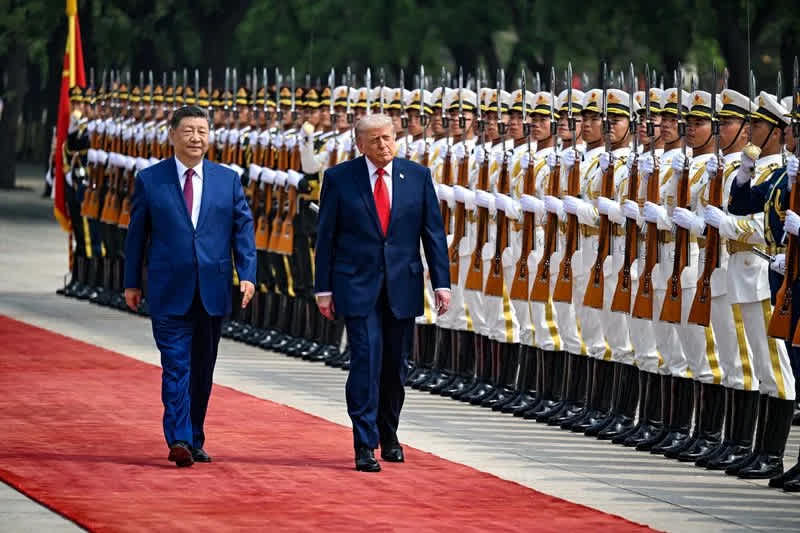
President Donald Trump departed Beijing on Friday after more than 40 hours of talks with Chinese President Xi Jinping, claiming the two leaders had found common ground on Iran’s nuclear ambitions and the reopening of the Strait of Hormuz — but the summit ended without a clear breakthrough on how to end the 77-day-old war.aljazeera
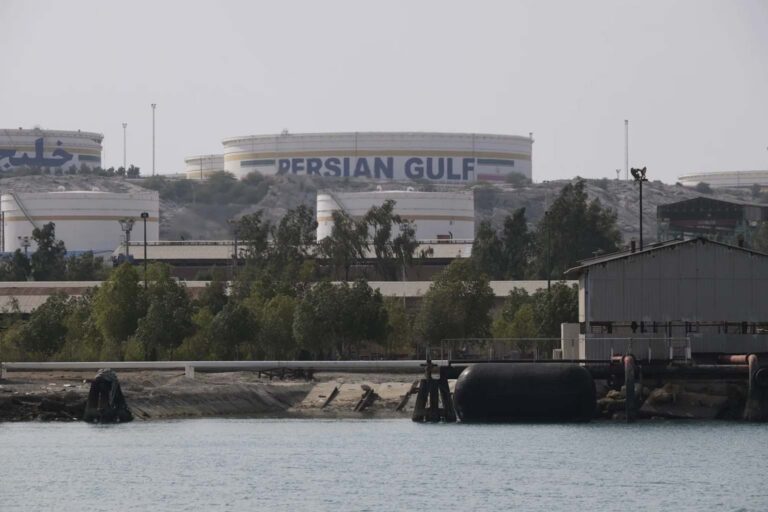
According to the White House, both leaders agreed that Iran must never possess a nuclear weapon and that the Strait of Hormuz should remain open to international shipping. Trump told Fox News that Xi had offered to help negotiate an end to the conflict and pledged that China would not provide military equipment to Tehran. The White House statement also noted that Xi opposed the “militarization of the Strait” and expressed interest in purchasing more American oil to reduce China’s dependence on the waterway.youtube
But Beijing’s readout struck a markedly different tone. China’s statement did not explicitly endorse the position that Iran should never acquire nuclear weapons. Instead, it called for “de-escalating the situation,” adhering to “political resolution,” and reaching an agreement “that takes into account the interests of all parties”. Analysts noted that China appeared reluctant to fully align with Washington’s approach, seeking to preserve leverage over Iran while protecting its own strategic interests.aljazeera
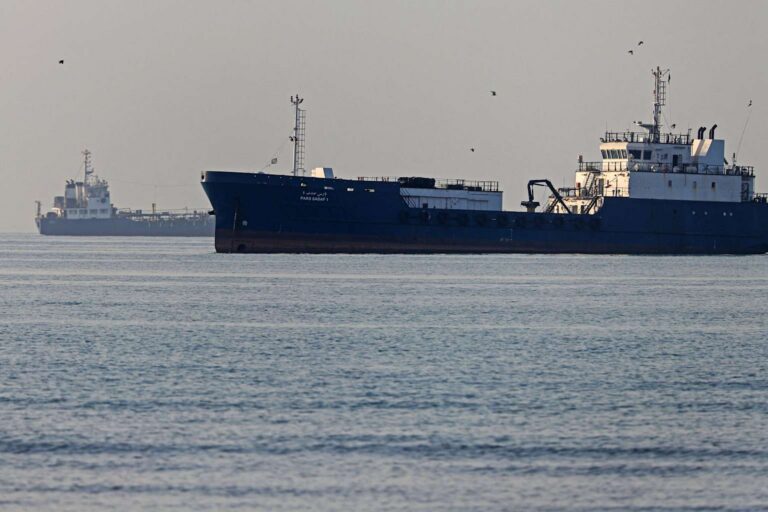
The summit took place as conditions on the ground deteriorated. On Thursday, the Associated Press reported that a vessel off the coast of the United Arab Emirates was seized and redirected toward Iran, while another cargo ship near Oman sank following an attack. Iran has declared it will not resume talks with the United States unless five preconditions are met, including reparations and recognition of its sovereignty over the strait.apnews
Before departing for Beijing, Trump projected confidence, telling reporters, “I don’t think we need any help with Iran. We’ll win it one way or the other, peacefully or otherwise”. U.S. Defense Secretary Pete Hegseth acknowledged that China holds “a lot of leverage” over Iran but said ultimate influence rests with Trump.bairdmaritime
Global oil markets remain volatile. Brent crude has risen more than 40% since the U.S. and Israel launched military operations against Iran on February 28, with prices recently trading above $106 per barrel, according to Reuters. Saudi Aramco CEO Amin Nasser warned during a first-quarter earnings call that the oil market may not stabilize until 2027 if the strait remains blocked beyond mid-June. The International Energy Agency has described the disruption as the worst energy crisis in history.democracynow
Trump has invited Xi for a state visit to Washington on September 24, keeping a diplomatic channel open even as the two powers remain far apart on how to end a war that continues to reshape the global energy landscape.democracynow