







Newsletter Subscribe
Enter your email address below and subscribe to our newsletter

Enter your email address below and subscribe to our newsletter
All voices matter
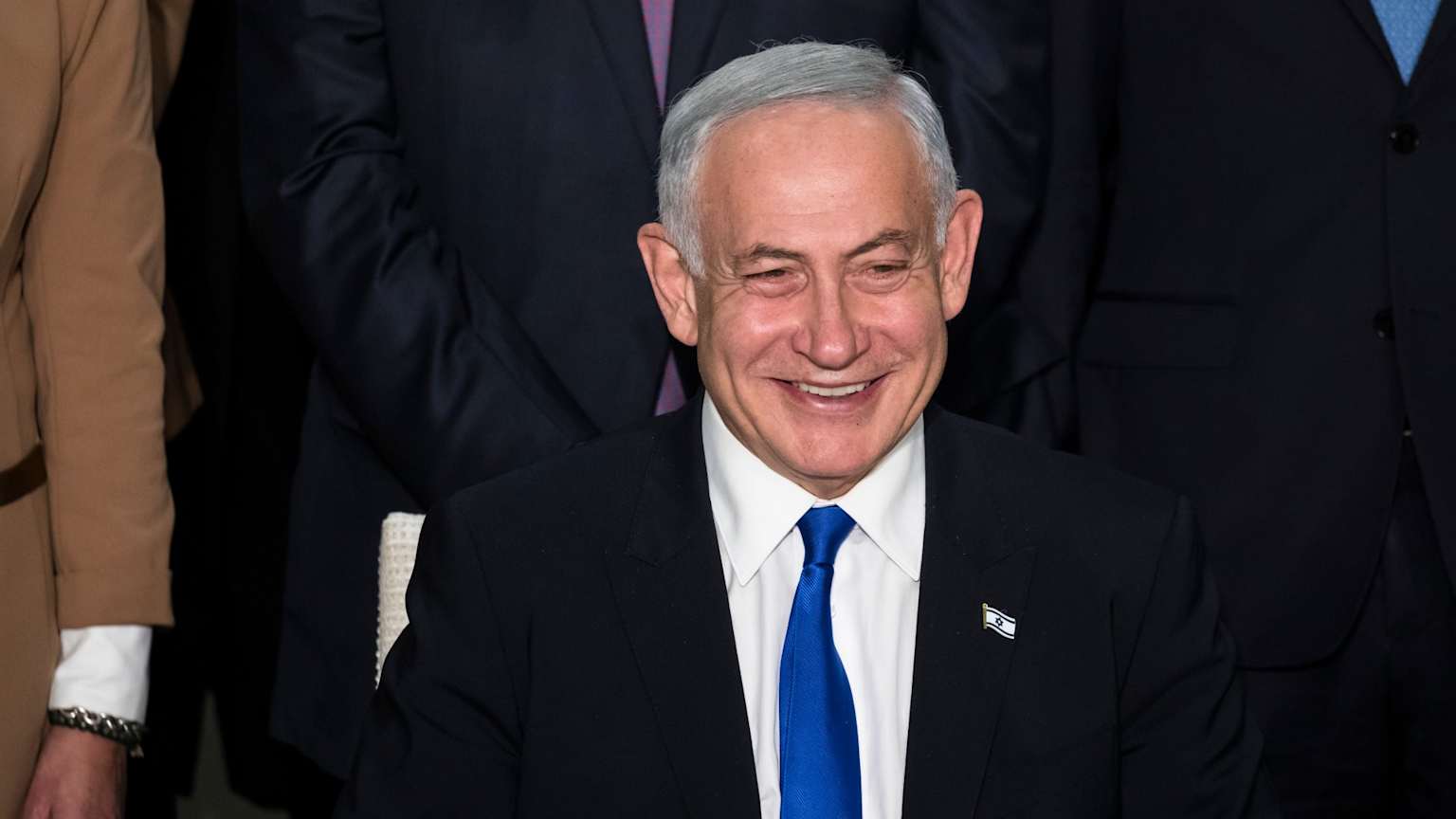
Israeli Prime Minister Benjamin Netanyahu’s office announced on Wednesday that he had secretly traveled to the United Arab Emirates during the Israel-U.S. war with Iran and met with UAE President Sheikh Mohammed bin Zayed Al Nahyan in Al-Ain on March 26, describing the encounter as an “historic breakthrough” in bilateral relations. Hours later, the UAE’s Ministry of Foreign Affairs issued a flat denial, calling any such reports “entirely unfounded.”apnews
The UAE’s statement, published on the ministry’s official website, rejected the claim in unusually direct terms. “The United Arab Emirates denies reports circulating regarding an alleged visit by Israeli Prime Minister Benjamin Netanyahu to the UAE, or receiving any Israeli military delegation in the country,” the ministry said. It added that relations with Israel “are public and conducted within the framework of the well-known and officially declared Abraham Accords, and are not based on non-transparent or unofficial arrangements.”khaleejtimes
The ministry called on media outlets to “exercise accuracy and professionalism” and to refrain from circulating what it termed “misleading political narratives.” Afra Al Hameli, a Foreign Ministry spokesperson, reiterated the denial on X, according to The Wall Street Journal.mofa
The public contradiction between the two Abraham Accords partners is highly unusual. Since the UAE and Israel normalized relations in 2020, both sides have generally managed disagreements through private channels.
The claimed visit would have taken place roughly a month into the U.S.-Israeli military campaign against Iran, which began in late February 2026. Iran launched retaliatory missile strikes against Gulf states on February 28, killing at least one person in Abu Dhabi and rattling cities across the region, according to Reuters. The UAE, which hosts U.S. military assets, found itself caught between its growing ties to Israel and its vulnerability to Iranian retaliation.reuters
In the weeks following those strikes, Netanyahu spoke by phone with Sheikh Mohammed bin Zayed, condemning Iranian attacks on the Emirates and affirming solidarity. Israeli media reported that Israel deployed air defense systems to the UAE, and that Abu Dhabi was moving toward open “operational cooperation” with Israel.i24news
The timing of the disclosure — and the denial — underscores competing pressures on both governments. For Netanyahu, publicizing a wartime visit to a major Arab capital serves to demonstrate diplomatic gains from the Iran conflict, which former Qatari Prime Minister Sheikh Hamad bin Jassim Al Thani recently accused him of exploiting to reshape the Middle East. For the UAE, acknowledging a secret Israeli visit amid Iranian bombardment of Gulf cities would carry domestic and regional risks.aljazeera
As the Associated Press reported, Netanyahu’s office framed the visit as deepening the 2020 normalization. The UAE’s response suggested it is unwilling to validate that narrative on anything other than its own terms.apnews