





Newsletter Subscribe
Enter your email address below and subscribe to our newsletter

Enter your email address below and subscribe to our newsletter
All voices matter
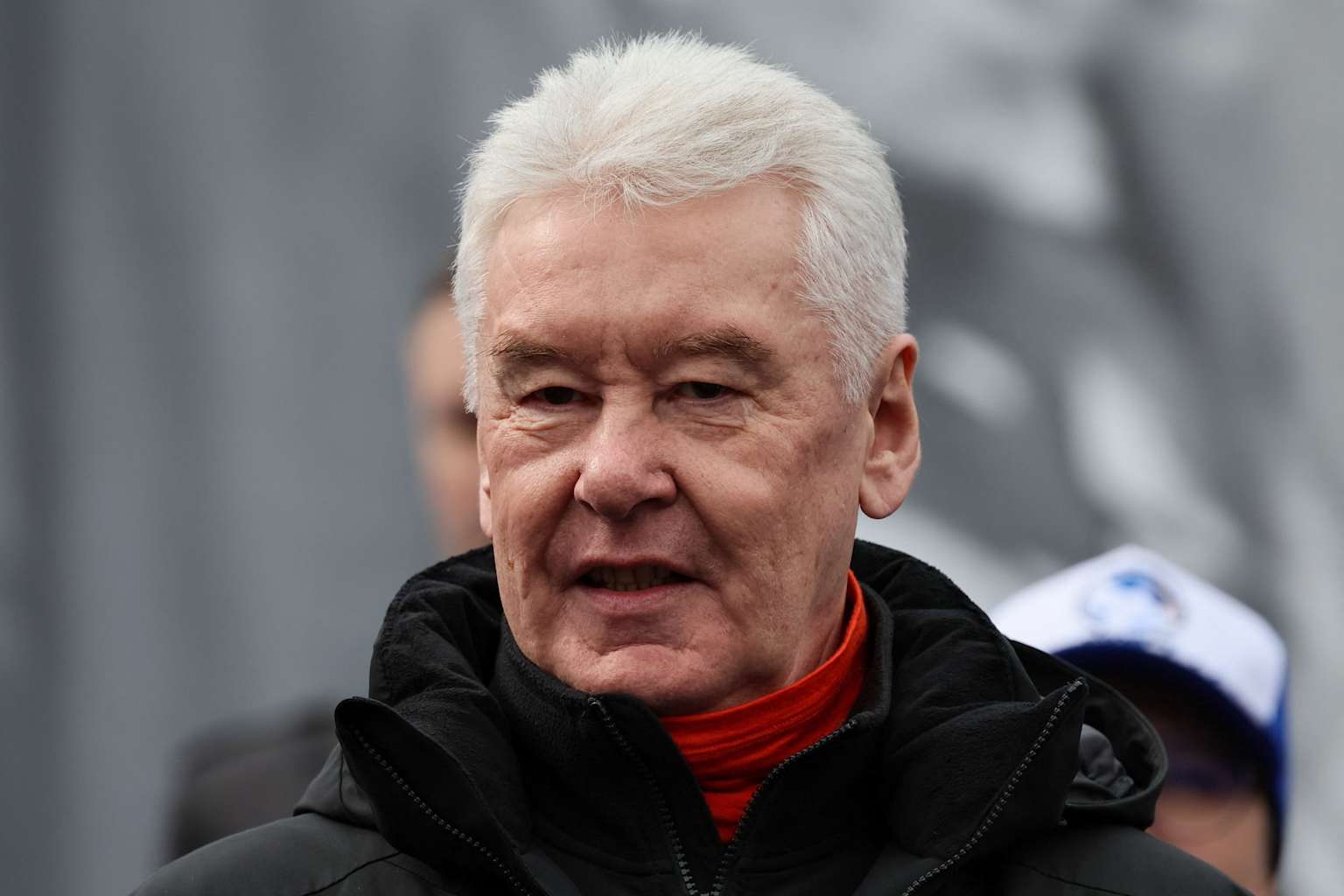
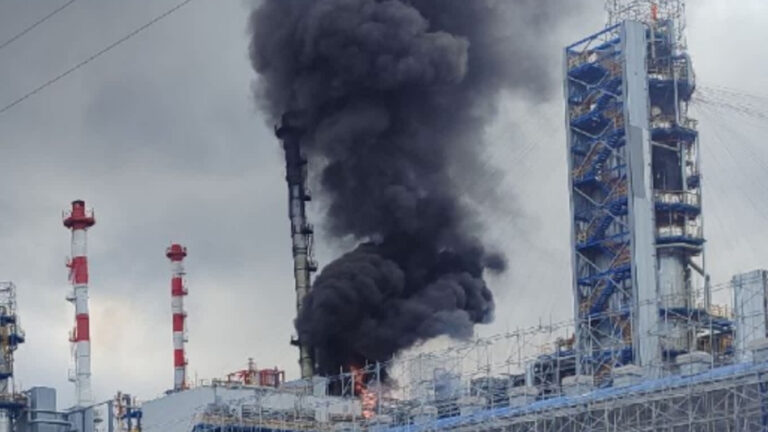
Moscow’s city government has prohibited the publication of photos, videos, and text describing the aftermath of drone strikes and what officials termed “terrorist attacks,” extending a pattern of information control that has spread across more than 30 Russian regions since 2025.
The ban, issued by Moscow’s Anti-Terrorism Commission on May 13, bars media outlets, emergency services, organizations, and residents from sharing any materials depicting damage caused by drone attacks or “other means of destruction” until the information first appears through official channels. Those channels are limited to Russia’s Defense Ministry, the Moscow city government, and Mayor Sergei Sobyanin’s personal website and social media accounts.meduza
Violators face fines of 3,000 to 5,000 rubles for individuals, up to 50,000 rubles for officials, and up to 200,000 rubles — roughly $2,500 — for legal entities. The restrictions carry no set end date, remaining in force until a “separate decision” is made. According to the St. Petersburg-based outlet Fontanka, similar bans are already in effect in more than 30 Russian regions.kyivindependent
The blackout comes as Ukrainian forces have dramatically expanded their use of long-range, AI-enabled drones to disrupt Russian supply lines. Ukraine’s 1st Azov Corps of the National Guard has been deploying Hornet kamikaze drones — developed by the U.S. firm Swift Beat, reportedly founded by former Google CEO Eric Schmidt — to strike Russian logistics as far as 100 kilometers behind the front lines. The drones use artificial intelligence to identify and classify targets autonomously, with operators confirming strikes via Starlink satellite links. Footage released in recent weeks shows the Hornets hitting Russian cargo trucks, fuel tankers, and military vehicles along supply routes near Donetsk and as far as Mariupol.militarnyi
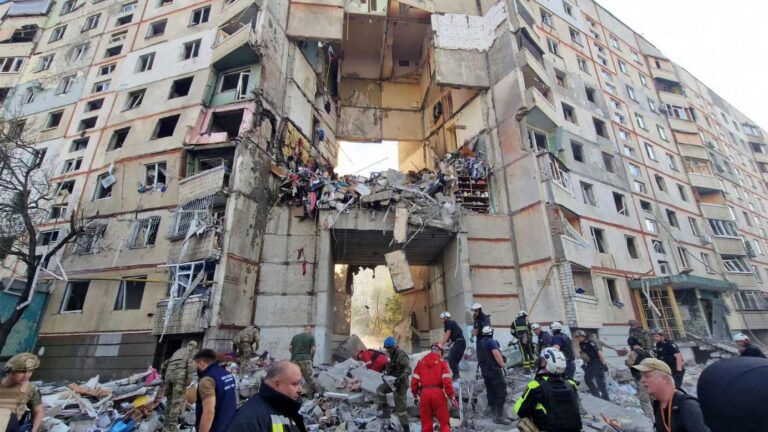
The volume of these mid-range strikes more than doubled between February and March, reaching at least 288 raids on Russian supply infrastructure in a single month, according to analysis group Tochnyi. On May 7, Ukraine launched its second-largest drone operation of the war, with Russian defenses reporting 347 drones intercepted across 20 regions, including Moscow. Days earlier, a drone struck a 54-story residential tower in Moscow just before the Victory Day holiday.euromaidanpress
The media blackout fits into a broader campaign of information suppression inside Russia. Since 2025, authorities have imposed internet shutdowns, blocked platforms including YouTube and WhatsApp — now accessible in many areas only through VPNs — and restricted civilian drone use. Photos circulating on May 13 showed Russian soldiers transporting a captured Hornet drone atop a UAZ SGR utility vehicle, a domestic model popularly known as the “Loaf” — an image that, under the new rules, only official sources would be permitted to share.kyivindependent