Newsletter Subscribe
Enter your email address below and subscribe to our newsletter
Enter your email address below and subscribe to our newsletter

All voices matter
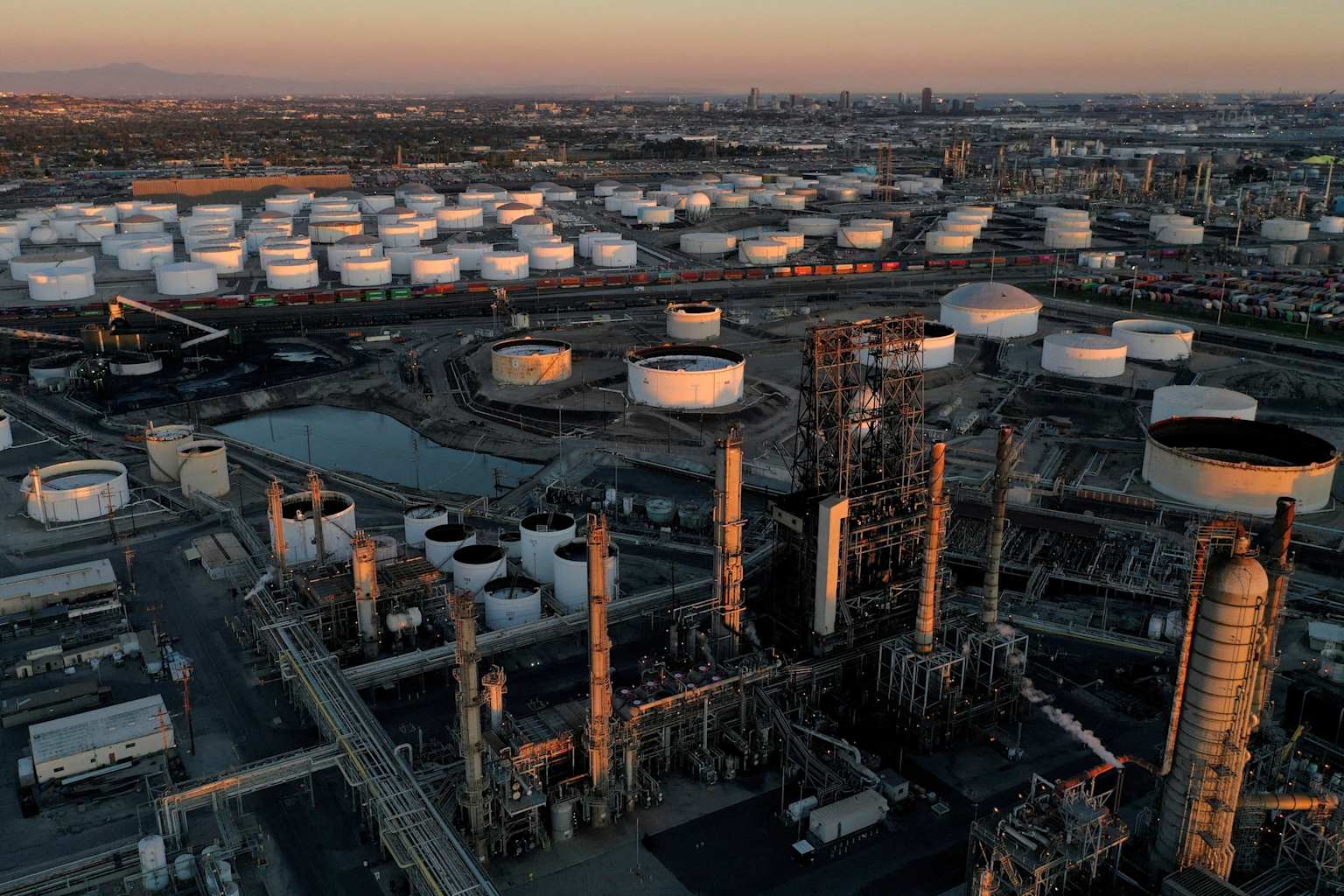
Oil prices ticked higher in early Asian trading on Tuesday after falling sharply on Monday, when the United States announced a 60-day sanctions waiver on Iranian oil exports following the conclusion of the first round of U.S.-Iran peace talks in Switzerland.
Brent crude futures rose 0.36% to $78.18 a barrel, while U.S. West Texas Intermediate futures gained 0.45% to $74.19 a barrel as of early Tuesday, according to CNBC. The modest rebound followed Monday’s steep decline, which saw Brent drop more than 3.3% and WTI fall 2.3% after the U.S. Treasury announced the sweeping waiver allowing Iran to produce, sell, and transport crude oil through August 21.reuters
The waiver came after mediators from Qatar and Pakistan declared “encouraging progress” at the Bürgenstock resort in Switzerland, where U.S. and Iranian delegations agreed on a roadmap toward a final deal within 60 days. Officials also reported a sustained lull in fighting in Lebanon under the broader agreement.cnbc
Reuters reported that the U.S. waived sanctions starting Monday following the first talks under the nascent peace deal. The New York Post reported Iran could earn up to $10 billion during the two-month window, allowing it to sell oil at full market prices rather than through discounted under-the-table transactions predominantly with China. NBC News noted that U.S. crude fell below $75 for the first time since early March on the news.reuters
Investors are now watching for clearer signs that crude flows through the Strait of Hormuz will normalize. Analysts have cautioned that full restoration could take well into 2027. Saudi Aramco CEO Amin Nasser warned in May that disruptions to Hormuz shipments could delay the market’s return to normal until 2027, noting the market was losing approximately 100 million barrels weekly at the conflict’s peak.usnews
The U.S. Energy Information Administration expects Hormuz oil shipments to resume in the third quarter of 2026 but said traffic would not return to pre-conflict levels until early 2027. Goldman Sachs cut its fourth-quarter Brent forecast to $80 from $90 following the deal, now projecting Gulf exports could normalize by the end of July. Citi took a more bearish stance, lowering its 2027 Brent forecast to $65 per barrel.cnbc
A shipping data provider told AFP that recent figures suggest “a cautious but visible rebound in traffic” through the strait, though daily patterns remain volatile.malaymail