Newsletter Subscribe
Enter your email address below and subscribe to our newsletter
Enter your email address below and subscribe to our newsletter

All voices matter

A week after the United States and Iran signed a memorandum of understanding to end hostilities, businesses across Europe and Asia are reporting tentative relief from war-driven cost pressures — though persistent inflation and fresh disruptions to the Strait of Hormuz are keeping central banks and markets on guard.
Flash purchasing managers’ index data released on Monday showed Japan’s composite PMI rising to 52.5 in June from 51.1 in May, the strongest reading in three months. But the improvement came alongside input costs surging to a near four-year high, as energy prices and a weak yen continued to squeeze manufacturers. India’s composite PMI fell to 57.4 from 59.3 as demand softened, though cost pressures there eased for a third consecutive month.morningstar
In the eurozone, the S&P Global flash composite PMI edged up to 49.5 in June from 48.5 in May — a three-month high — but activity remained in contraction territory. Manufacturing weakened further while services showed modest improvement.usnews
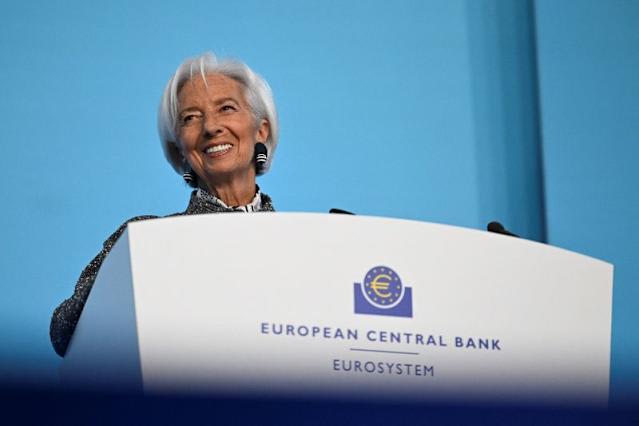
The European Central Bank raised interest rates by 25 basis points at its June meeting, bringing the deposit rate to 2.25%, citing inflation that climbed to 3.2% in May with energy costs running above 10%. In testimony before the European Parliament on Monday, ECB President Christine Lagarde described the war’s economic impact as “sizeable but not too persistent,” arguing the shock was too large to ignore but did not yet warrant a more forceful response.europa
“There is no evidence yet of de-anchoring of inflation expectations or second-round effects that would warrant a more forceful policy response at this stage,” Lagarde told lawmakers.econostream-media
The 14-point deal signed on June 19 in Geneva committed Iran to reopen the Strait of Hormuz and the US to lift its naval blockade. By Saturday, 55 commercial vessels had transited the strait — the highest daily count since hostilities began in late February, though far below the prewar average of 130. Yet hours later, Iran’s military announced it was closing the waterway again, citing Israeli strikes on southern Lebanon as ceasefire violations.cnn
U.S. Central Command disputed the closure, saying the strait remained open and shipping was “continuing to flow”. Analysts warn that roughly 80 mines still obstruct the central shipping channel and some 600 vessels remain anchored in the Gulf, meaning full normalization could take weeks regardless of diplomatic progress.nytimes
The tanker owners’ association Intertanko said the central route “poses significant dangers” and would require “considerable time to clear”. For businesses navigating supply chains and energy costs, relief from the peace deal remains real but fragile.theguardian