






Newsletter Subscribe
Enter your email address below and subscribe to our newsletter

Enter your email address below and subscribe to our newsletter
All voices matter
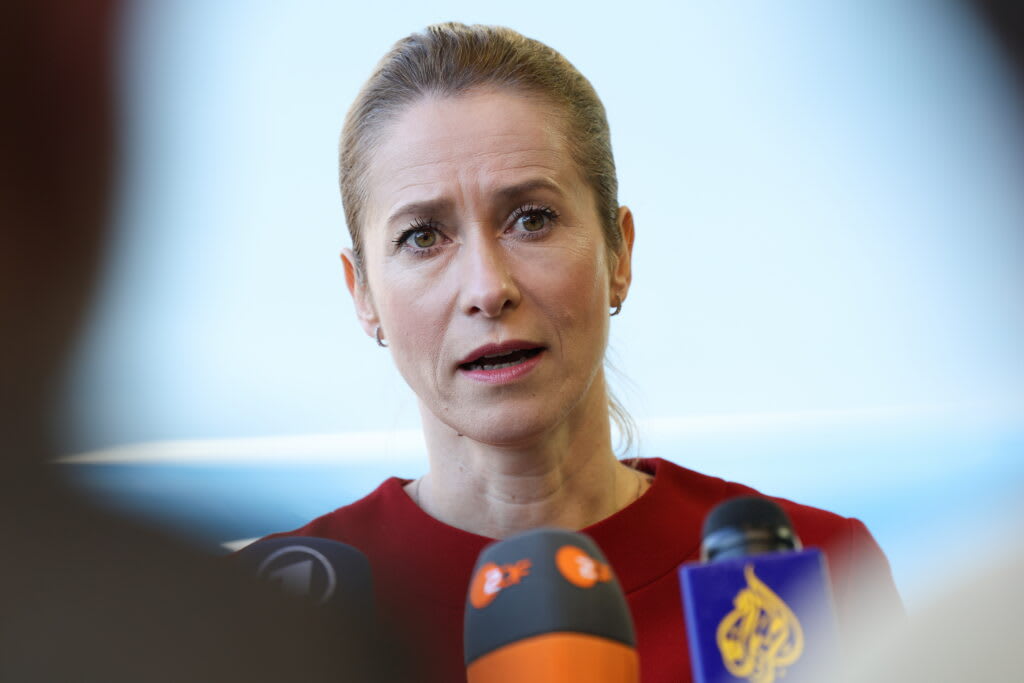
The formal signing of the US-Iran memorandum of understanding on Wednesday has opened a new chapter in transatlantic diplomacy, with European leaders insisting they can contribute to the next phase of negotiations even as analysts warn the bloc risks permanent marginalization.
EU foreign policy chief Kaja Kallas told the European Parliament on Monday that “there are grounds for cautious optimism” following the US-Iran agreement, calling it a potential turning point for Middle East stability. In recent weeks, Kallas has argued that the EU’s nuclear expertise makes it indispensable. “There must be nuclear experts around the table,” she said. “Otherwise we will end up with an agreement that is weaker than the JCPOA was.” She has pointed to EU naval operations and the bloc’s experience brokering the 2015 nuclear deal as concrete assets.eunews
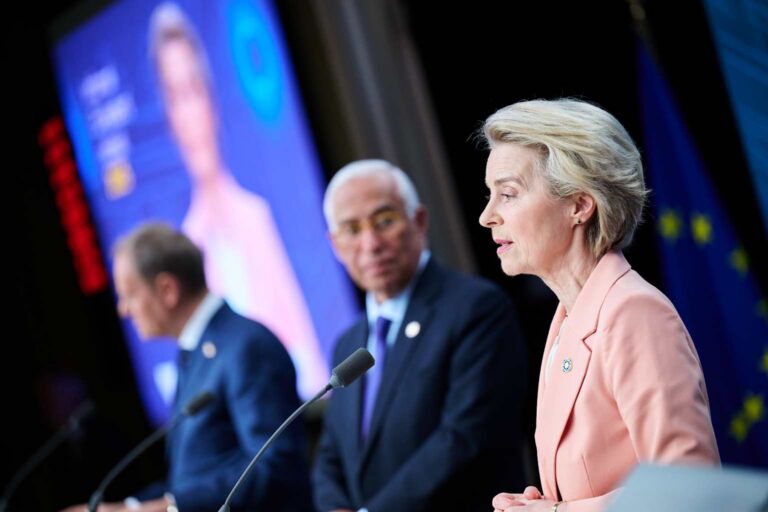
European Commission President Ursula von der Leyen, speaking at a press conference ahead of the G7 summit in Evian, France, welcomed the agreement but drew a firm line on sanctions. “The principle of sanctions is that we need real change on the ground before we can think about lifting them,” she said. “If behaviour is changing credibly and verifiably, then you can lift sanctions. But the other way around is also true.”youtube
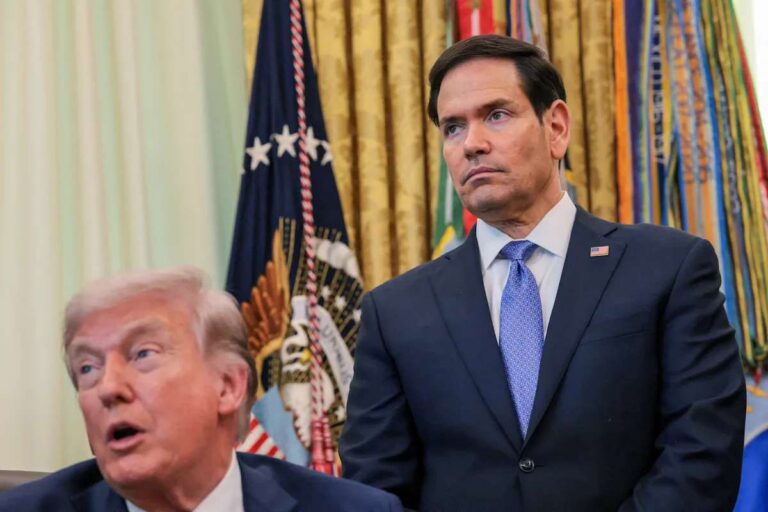
The 14-point MOU, signed electronically by both presidents, extends the US-Iran ceasefire by 60 days and commits both sides to nuclear negotiations aimed at preventing Iran from acquiring a weapon. The talks have run through Omani and Qatari mediation channels with no formal European role.nypost
Analysts say this reflects a structural shift. Ali Vaez of the Crisis Group has noted that the European trio — Britain, France, and Germany — “managed their position so poorly” that neither Washington nor Tehran views them as holding leverage. Iran’s foreign minister Abbas Araghchi has described the E3 as “irrelevant” to the current process. David Khalfa of the Jean-Jaurès Foundation in Paris observed that Europe is in a “double bind”: excluded from negotiations yet unable to undermine a deal’s prospects.euinsider
The EU’s challenge is that its main tool — sanctions — matters only at the margins compared to the comprehensive US economic restrictions Iran wants removed. Europe triggered the UN snapback mechanism in September 2025, reimposing international sanctions, but this has not translated into a negotiating seat.aawsat
Kallas has demanded that any final deal address ballistic missiles, regional proxies, and what she calls Iran’s “hybrid and cyber activities in Europe”. Yet with the 60-day negotiating clock now ticking and Washington and Tehran communicating directly, Europe’s window to shape the outcome rather than simply react to it is narrowing fast.euinsider