






Newsletter Subscribe
Enter your email address below and subscribe to our newsletter

Enter your email address below and subscribe to our newsletter
All voices matter
Oil prices dropped more than 1% on Thursday to their lowest level since the start of the Iran war, after President Donald Trump and Iranian President Masoud Pezeshkian signed a memorandum of understanding extending their ceasefire and reopening the Strait of Hormuz. Brent crude fell to around $78.54 per barrel, down from over $80 the previous morning — a stark decline from the roughly $98 levels seen just weeks earlier but still above pre-war prices.fortune
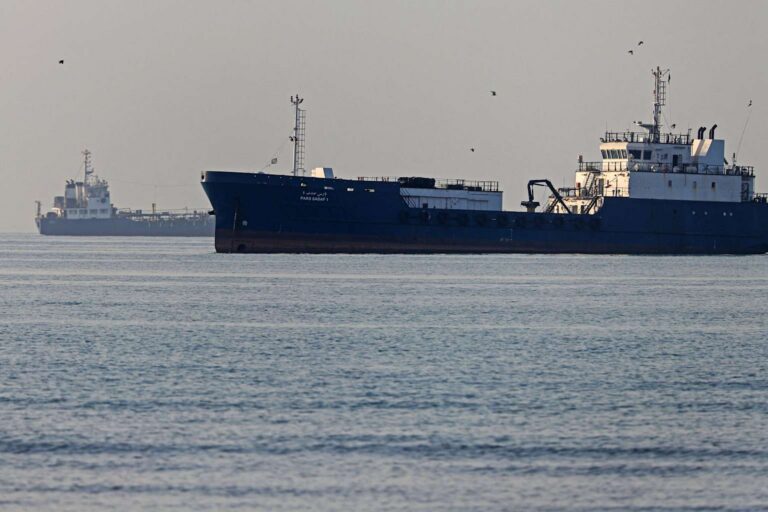
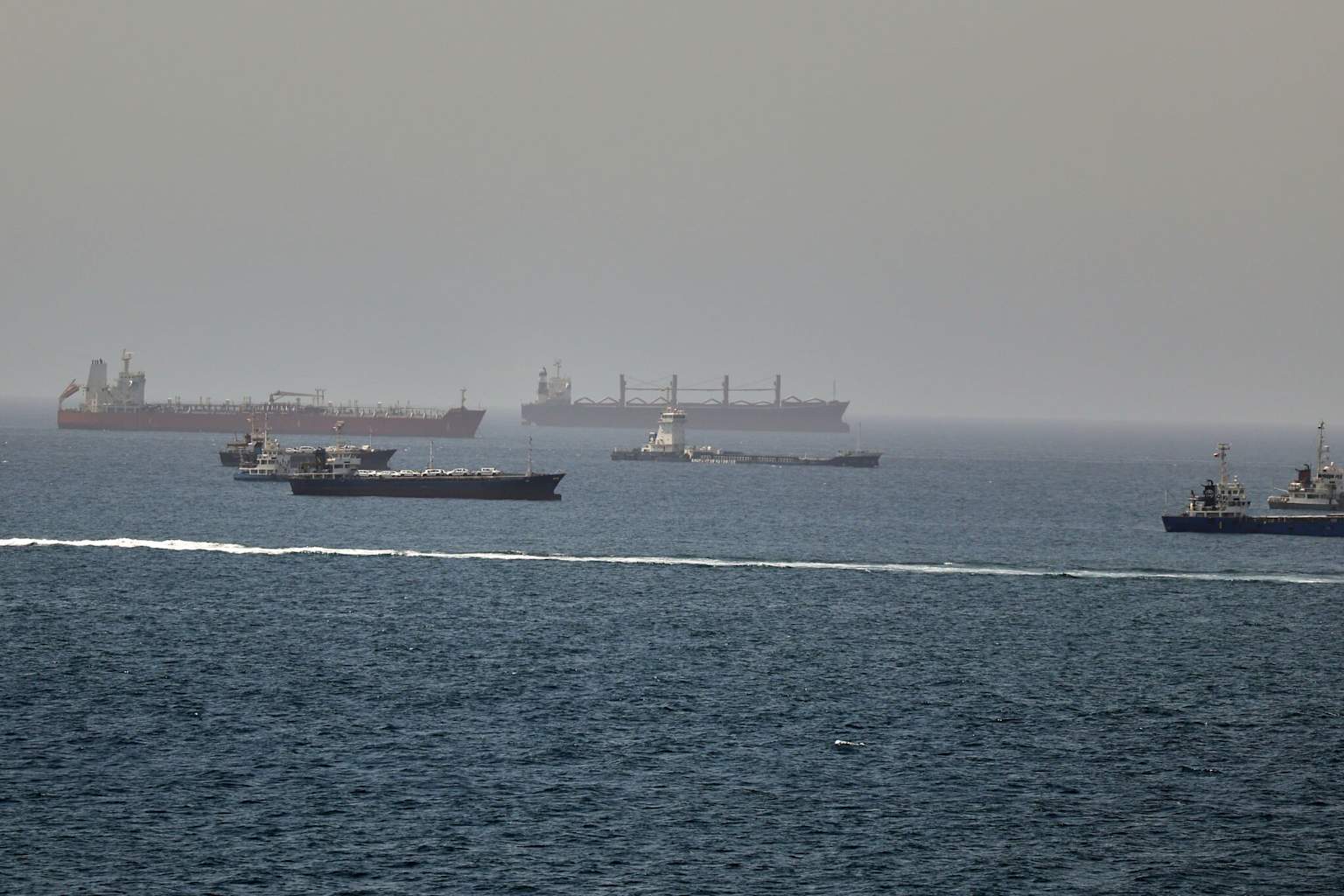
Three Saudi-flagged supertankers carrying a combined six million barrels of crude oil sailed through the Strait of Hormuz within hours of the signing, according to ship tracking data analyzed by Reuters. The transit marks the most substantial commercial movement through the waterway since Iran’s Islamic Revolutionary Guard Corps effectively closed it on March 2, disrupting roughly a fifth of the world’s oil supply.carraglobe
The departures from Saudi ports follow a trickle of smaller vessels that began testing the route after the framework deal was announced on June 14. A Malta-flagged gas tanker, the Disha, was among the first to openly transit the strait days earlier. Still, the CEO of Japan’s Mitsui O.S.K. Lines told the Financial Times that most shipowners would wait weeks before resuming full operations until they are confident the deal holds.reuters
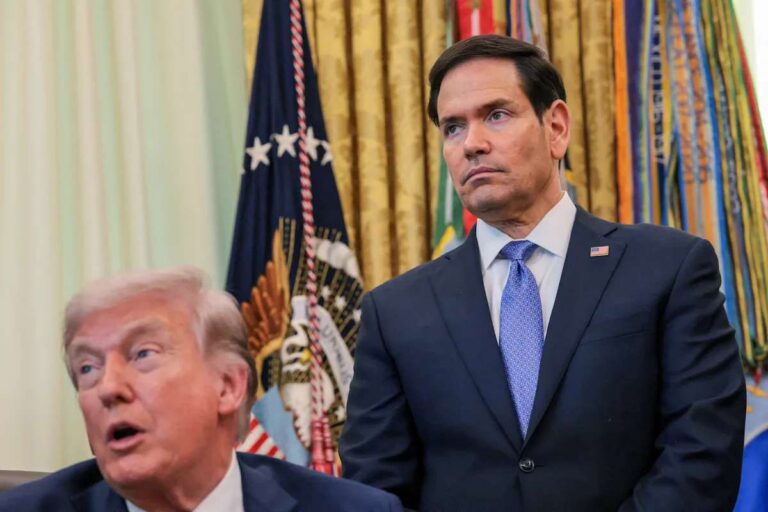
Trump signed the 14-point agreement late Wednesday at the Palace of Versailles, following a G7 summit dinner hosted by French President Emmanuel Macron. Pezeshkian signed electronically from Tehran, with Iran’s foreign ministry spokesperson Esmaeil Baghaei confirming the document is now in effect. The MOU extends the ceasefire — first declared in April and repeatedly violated by both sides — for 60 days, and includes provisions for nuclear negotiations and a $300 billion reconstruction plan for Iran.wikipedia
Despite the swift market reaction, analysts caution that a full recovery in energy prices will take months. Kpler, a trade data firm, estimated that tanker traffic could reach only half of prewar levels within a month if the agreement holds. Infrastructure repairs and mine clearance in the strait remain ongoing, and war-related insurance premiums continue to weigh on shipping costs. The International Energy Agency warned Wednesday that while the supply shock destroyed demand, a lasting peace could flip markets toward a surplus in 2027.cnbc
Al Jazeera reported that U.S. fuel prices would take months to normalize even with the strait open, a timeline at odds with Trump’s repeated promises that prices would “plummet” once shipping resumed.aljazeera