Newsletter Subscribe
Enter your email address below and subscribe to our newsletter
Enter your email address below and subscribe to our newsletter

All voices matter
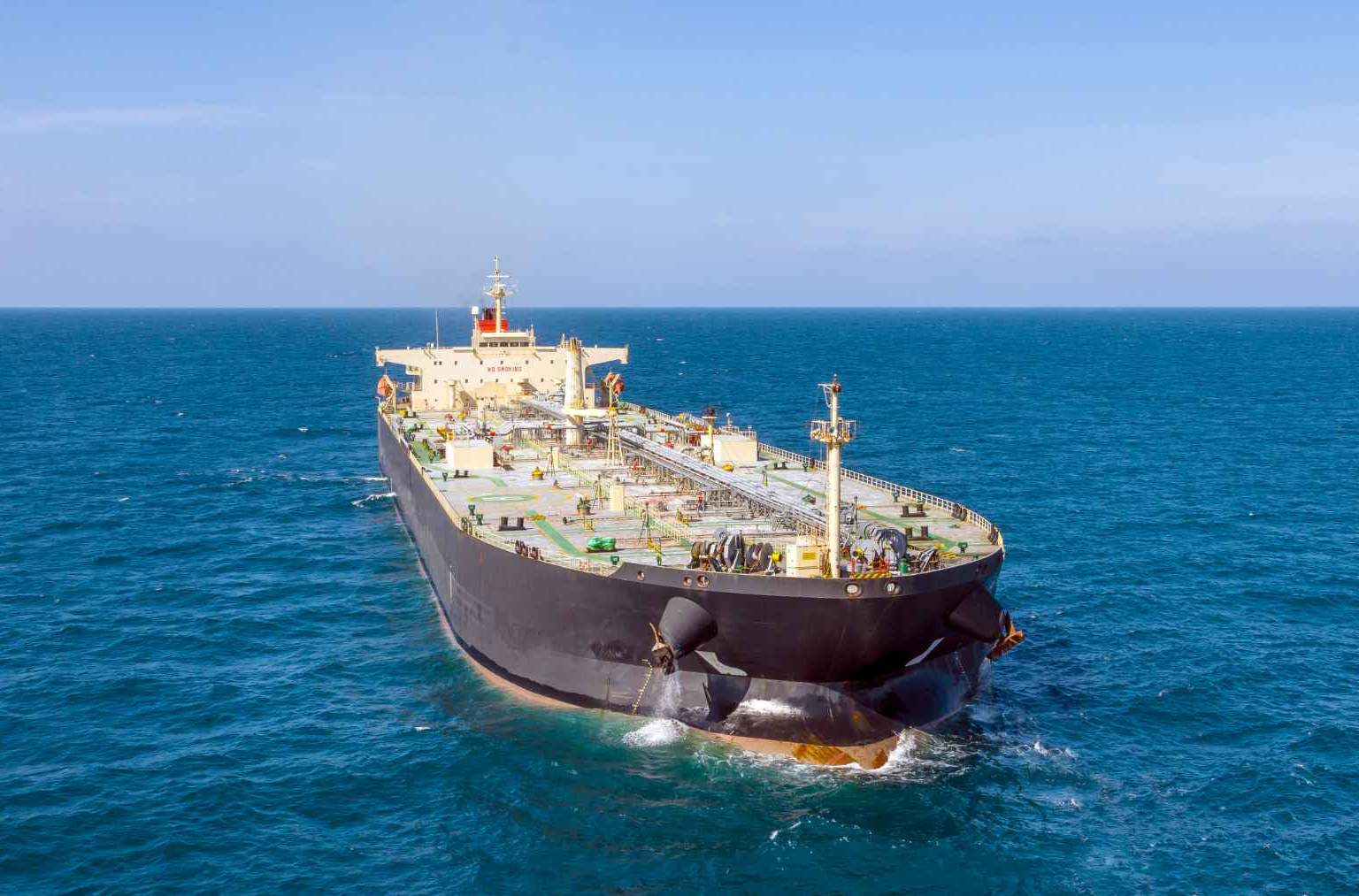
Oil tanker operators are earning record profits this week after hire costs for vessels transiting the Strait of Hormuz and the wider Gulf region nearly doubled, driven by rising demand as commercial traffic through the waterway slowly resumes following the US-Iran ceasefire agreement.
Rates for hiring a tanker outside the Strait of Hormuz jumped to $190,500 a day from $106,500 a week earlier, according to ship brokers and industry sources cited by Reuters. Average daily earnings for very large crude carriers have reached nearly $470,000 a day for cargoes inside the Gulf that must pass through Hormuz, an increase of more than $50,000 from the previous week.dawn
“Tanker owners are preparing for an influx of Middle East crude cargoes in the coming weeks and are emboldened by the fact that spot TCEs averaged above $100,000/day despite the loss of cargo volume since the US-Iran hostilities commenced,” ship broker Clarksons said in a note. “This indicates the supply side remains exceptionally tight and a re-opening of Hormuz would tighten capacity further.”dawn
The rate surge follows the partial reopening of the Strait of Hormuz after President Donald Trump and Iranian President Masoud Pezeshkian signed a memorandum of understanding on June 18 aimed at ending the conflict that erupted on February 28. Under the 14-point deal, Iran agreed to allow “safe passage of commercial vessels with no charge for 60 days,” with further negotiations to determine the waterway’s future management.nbcnews
Three Saudi-flagged tankers carrying a combined 6 million barrels of crude were among the first to pass through the strait after the signing, sending oil prices lower on expectations of increased supply. Analysts expect the agreement to help release more than 85 million barrels of oil that had been effectively trapped in the Persian Gulf during the conflict.nv
The crisis has also triggered a global push to rebuild depleted stockpiles. According to Reuters, countries that paid a steep economic price during the war are now seeking to build domestic oil and gas storage buffers, a drive that could bring roughly half a billion barrels of additional demand. The International Energy Agency released a record 400 million barrels from member nations’ strategic reserves during the conflict, while the US Strategic Petroleum Reserve fell to 349 million barrels by early June — a four-decade low. The New York Times reported that combined government and commercial oil reserves had fallen sharply since the war began, intensifying pressure on Washington to secure a deal that would restore Gulf supply flows.reuters