Newsletter Subscribe
Enter your email address below and subscribe to our newsletter
Enter your email address below and subscribe to our newsletter

All voices matter

Hedge funds pushed their short positions on crude oil to the highest level in nearly five months as expectations grew that a US-Iran agreement would ease global supply constraints and reopen the Strait of Hormuz to normal shipping traffic.
Data from the Commodity Futures Trading Commission released on Friday showed money managers added 10,866 gross short positions in West Texas Intermediate futures during the week ending June 16, bringing total bearish bets to 102,895 contracts — the most since late January. The buildup in short positions coincided with the June 17 signing of a memorandum of understanding between Washington and Tehran that calls for a ceasefire, the reopening of the strait, and the eventual lifting of US sanctions on Iranian oil exports.apnews
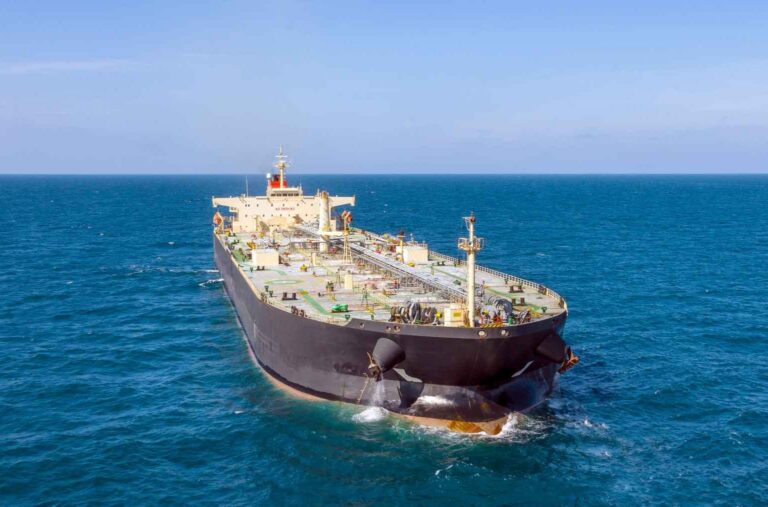
The US-Iran agreement, facilitated by Pakistani Prime Minister Shehbaz Sharif, took “immediate effect” upon signing and launched a 60-day window for further negotiations over Iran’s nuclear program. As part of the framework, Iran agreed to ensure free transit through the Strait of Hormuz — a chokepoint whose closure during the conflict had curtailed global fuel supplies and driven crude prices sharply higher this year.fortune
On Monday, the US Treasury formalized its commitment by issuing a 60-day general license permitting the production, delivery, and sale of Iranian oil, valid until August 21. Treasury Secretary Scott Bessent described the talks as “productive” and confirmed that Iran had pledged to allow International Atomic Energy Agency inspectors access to its territory.facebook
Oil prices fell more than 3% on Monday as US Vice President JD Vance said advancements had been made in the Swiss-hosted negotiations and confirmed the strait remained accessible. Ship tracking data showed two crude tankers carrying nearly 2 million barrels navigated through the strait on Monday, indicating a resumption in maritime traffic, according to Reuters.reuters
UBS analyst Giovanni Staunovo noted that Iran had recommenced oil exports previously hindered by a US naval blockade. S&P Global analysts cautioned, however, that physical crude markets would remain tight through the summer, with full normalization of Hormuz shipping likely extending into 2027.spglobal
The bearish shift extends beyond crude. Managed money positioning across petroleum markets has turned sharply negative, with one analysis from Aegis Hedging noting that combined CME and ICE WTI positioning had reached its most bearish level since 2009. The CFTC data also showed speculative traders adjusting positions across energy markets more broadly in the week through June 16.aegis-hedging
The positioning reflects a market recalibrating to the prospect of Iranian barrels — potentially hundreds of thousands of barrels per day — returning to global markets after months of disruption that had pushed WTI from roughly $57 in January to nearly $98 in late May.247wallst