Newsletter Subscribe
Enter your email address below and subscribe to our newsletter
Enter your email address below and subscribe to our newsletter

All voices matter
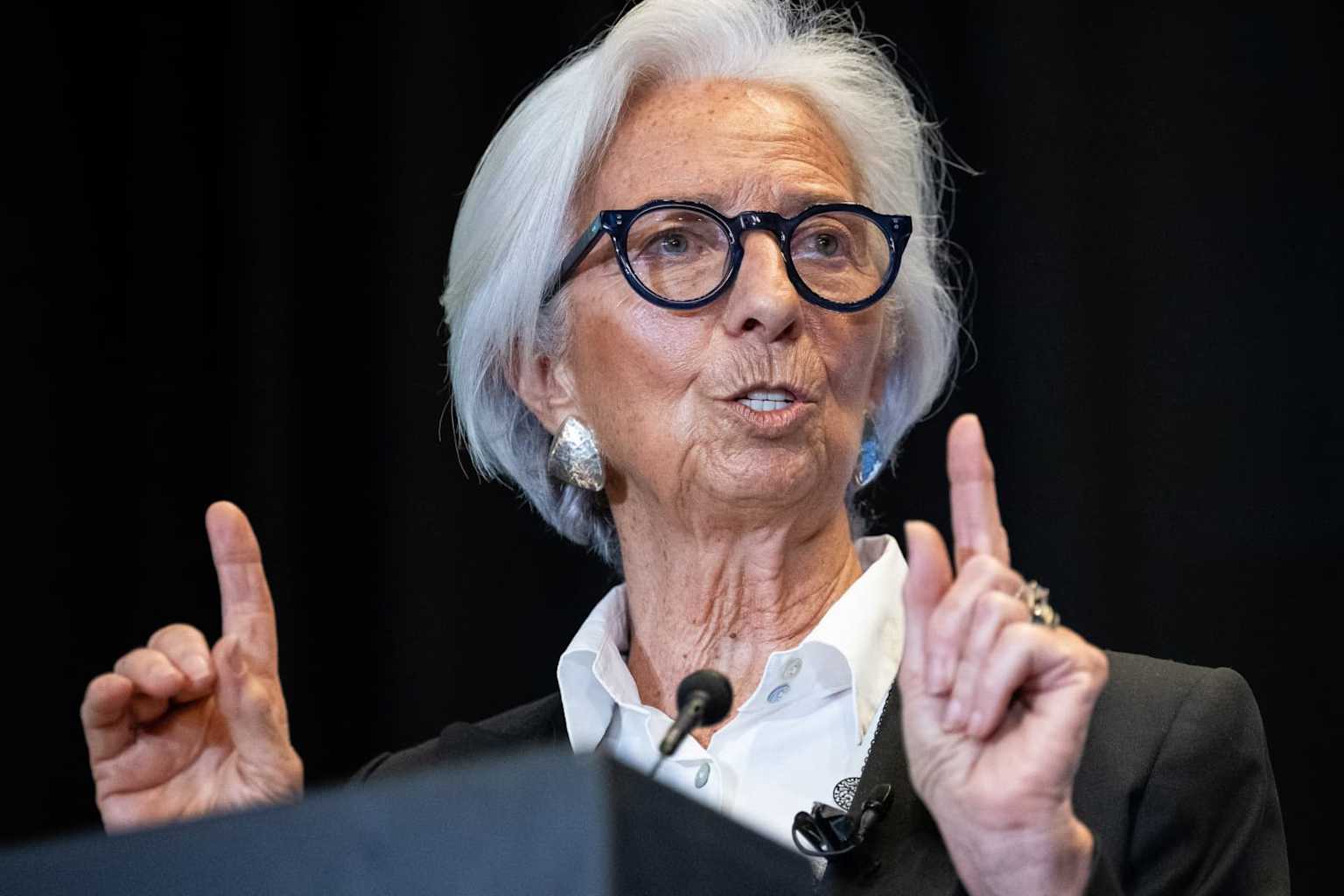
Crude oil prices tumbled to their lowest levels since before the Iran war on Wednesday, as a US sanctions waiver and the reopening of the Strait of Hormuz erased the geopolitical risk premium that had kept energy markets elevated for months. The decline is rapidly cooling expectations for further European Central Bank rate increases, reshaping the monetary policy outlook across the eurozone.
Brent crude fell over 4% on Wednesday to around $73.76 per barrel, its lowest point since before the conflict began, while West Texas Intermediate dropped to approximately $70.19. The sell-off accelerated a decline that has seen Brent plunge from roughly $115 per barrel in May to below $80 in a matter of weeks.reuters
The collapse follows a 60-day sanctions waiver issued by the US Treasury on Monday, allowing unlimited sales of Iranian crude, refined products, and petrochemicals until August 21. The waiver is part of a memorandum of understanding signed by Tehran and Washington on June 17, under which Iran pledged to ensure free transit through the Strait of Hormuz and grant International Atomic Energy Agency inspectors access to its territory.aljazeera
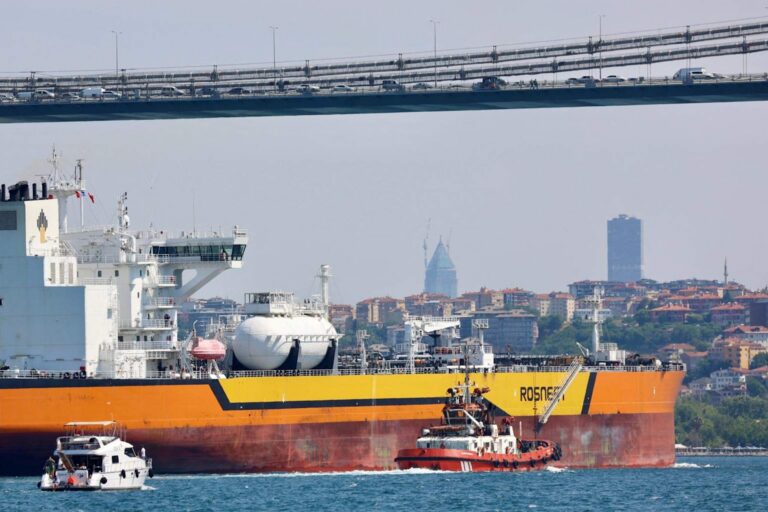
Oman announced it would keep the Strait open for shipping without imposing tolls, and ships have already navigated through under a new UN-coordinated evacuation strategy. Physical crude shipments are now being sold at discounts globally as markets anticipate rapidly increasing Middle Eastern supply.reuters
The ECB raised rates by 25 basis points to 2.25% on June 11, its first hike since the rate-cutting cycle began in 2024. At the time, markets were pricing in as many as three additional hikes for the remainder of 2026, with Nordea forecasting four consecutive increases.cnbc
But the oil price collapse has dramatically altered the calculus. Even before the latest drop, expectations for further hikes had already been revised lower following the preliminary US-Iran agreement. The EUR/USD pair has fallen to $1.135, its lowest in a year, as traders bet the ECB will now adopt a more accommodating stance.yahoo
The IMF had warned in its June assessment that the eurozone faces growth of just 0.9% in 2026 — a 0.5 percentage point reduction from pre-war estimates — while headline inflation was projected at 2.8%. With oil prices now retreating sharply, the inflationary impulse that prompted the June hike may prove short-lived.imf
J.P. Morgan revised its Brent forecast for the second half of 2026 downward on Wednesday, now expecting prices to average $86 in the third quarter and $80 in the fourth. The ECB’s own June projections anticipated headline inflation averaging 3.0% in 2026, peaking at 3.4% in the third and fourth quarters — forecasts that now appear likely to be revised lower if the peace process holds.amundi
The fragile nature of the US-Iran deal leaves considerable uncertainty. As one Swiss asset manager noted, the agreement “represents only a first step toward further negotiations regarding Iran’s nuclear program and the potential lifting of financial sanctions”.piguetgalland