





Newsletter Subscribe
Enter your email address below and subscribe to our newsletter

Enter your email address below and subscribe to our newsletter
All voices matter
As Avatar: Fire and Ash prepares for its December 19 theatrical debut, director James Cameron has renewed his longstanding defense of the franchise’s classification, insisting in pre-release messaging that the films represent performance capture work rather than traditional animation.slate
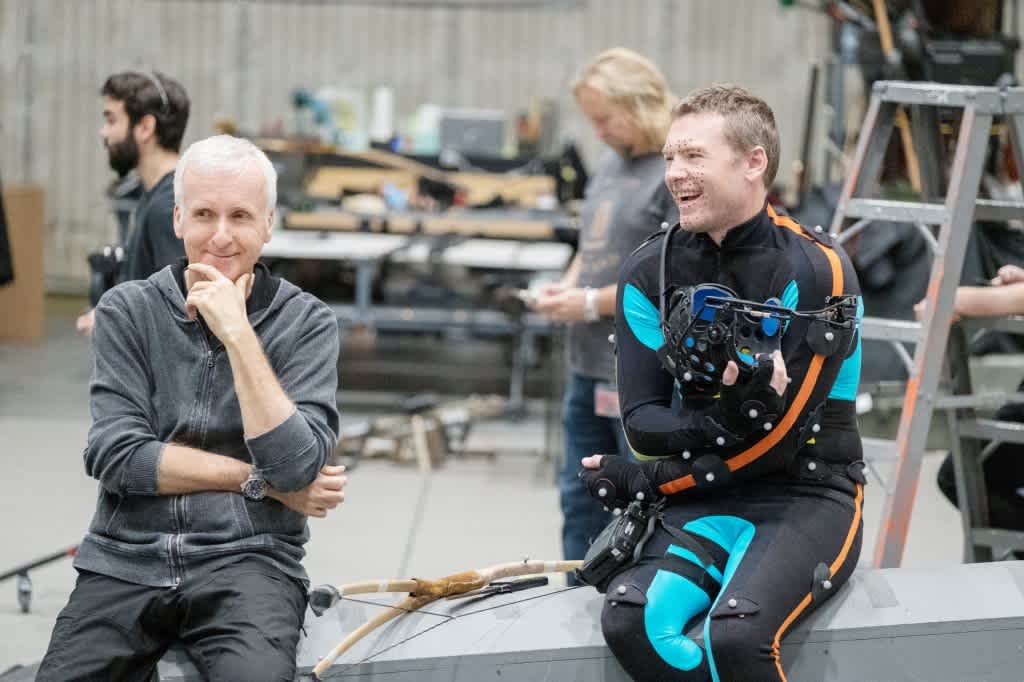
In a video message shown before early screenings, Cameron emphasized that “Avatar films are not produced by computers”. The director has grown increasingly frustrated by descriptions of actors “voicing” characters, particularly regarding Sigourney Weaver’s role as teenage Na’vi Kiri. “In an animated feature, you sit at a podium for a day or two to record your lines. Sigourney dedicated 18 months to these films,” Cameron stated, noting she performed “every scene, including all the underwater work”.denofgeek
Cameron pointed to the physical intensity of production to distinguish his approach from animation. Actor Sam Worthington recalled drinking a “concoction of fish oil” for a disgust scene that was so revolting “it came flying out,” even setting his head camera on fire. Kate Winslet spent months training to hold her breath for more than seven minutes underwater, though behind-the-scenes footage reveals her acting opposite pool noodles as scene partners.deadline
Yet critics note the films’ heavy reliance on digital artists and prolonged post-production undermines Cameron’s distinction. According to the Slate article, shooting for The Way of Water and Fire and Ash finished by fall 2020, but visual effects work required an additional two to three years to complete each film, with artists “crafting virtually everything visible on screen”.slate
The article argues this timeline leads to “a contentious yet undeniable conclusion: Avatar is essentially an animated film.” Production footage shows the final Na’vi characters often bear little resemblance to the actors portraying them—when Winslet watched The Way of Water, she initially wondered when her character would appear, only to realize she had been watching herself for several minutes.slate
Cameron describes his process as applying “digital makeup” to actors’ performances, but the extensive transformation raises questions about shared credit between performers and the digital artists who create what audiences ultimately see on screen. The Academy of Motion Picture Arts and Sciences revised its animated film eligibility criteria before the first Avatar’s release to explicitly exclude performance capture films, defining animation as work “created using a frame-by-frame technique”.wsj
The debate arrives as Cameron also distinguishes his approach from generative AI, telling audiences at the Paris premiere that “we are not substituting actors”. With Fire and Ash representing a reported $400 million production, the classification debate extends beyond semantics to questions of artistic credit, awards eligibility, and recognition for the hundreds of visual effects artists whose work populates Pandora’s digital landscapes.variety