Newsletter Subscribe
Enter your email address below and subscribe to our newsletter
Enter your email address below and subscribe to our newsletter

All voices matter
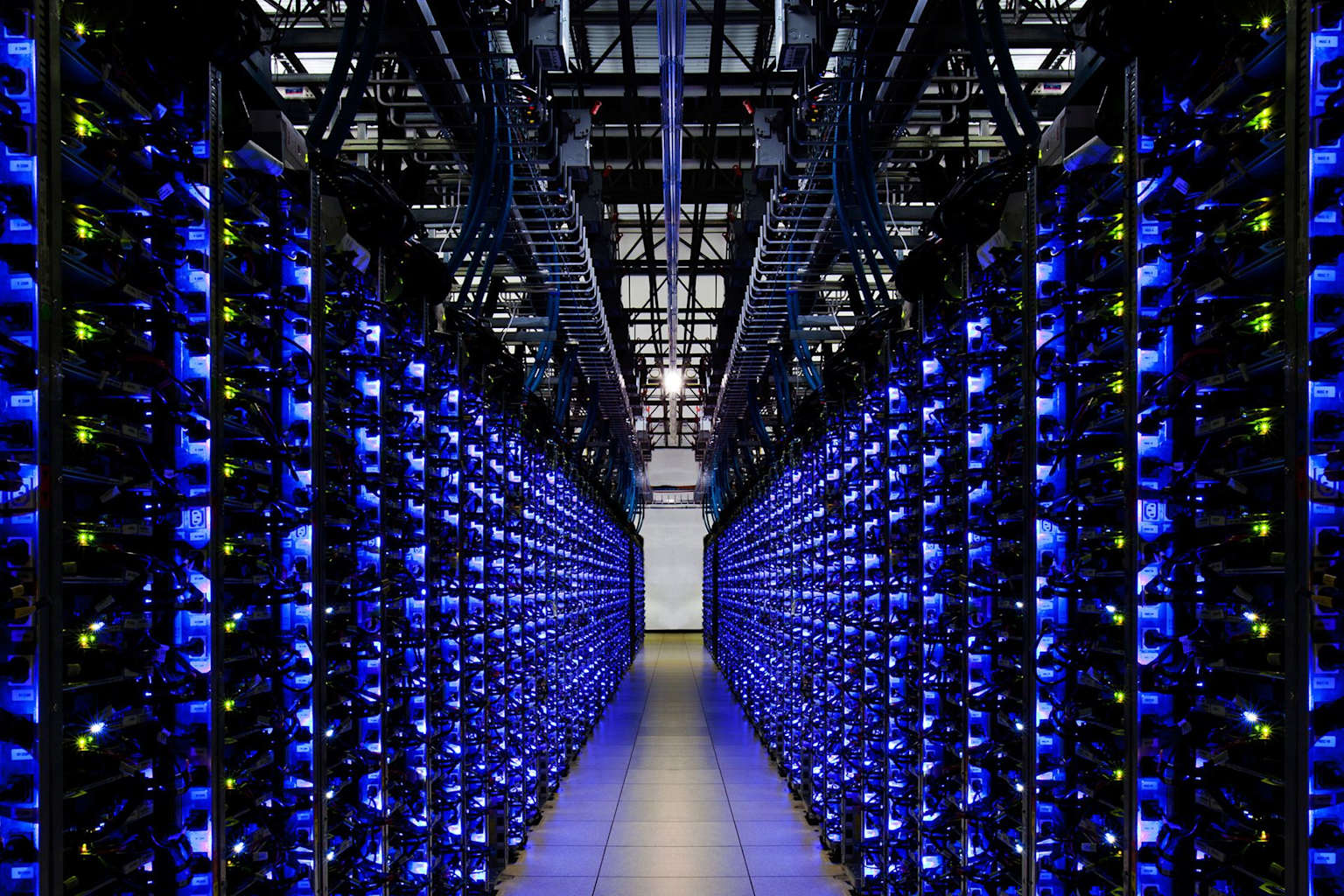
The 67th edition of the TOP500 list, released Tuesday at the ISC 2026 conference in Hamburg, Germany, confirmed AMD’s continued dominance in high-performance computing even as China’s LineShine supercomputer claimed the top position for the first time in nearly a decade. AMD EPYC CPUs and Instinct GPUs now power several of the world’s ten fastest supercomputers, reinforcing the chipmaker’s central role in exascale computing and AI-ready infrastructure.sina
LineShine, located at the National Supercomputing Center in Shenzhen, debuted at number one with a measured performance of 2.198 exaflops — making it the first system to break the 2-exaflop barrier on the High Performance Linpack benchmark and the first Chinese system atop the list since 2016. The system uses domestically designed Huawei Armv9-based processors and contains no AMD or Nvidia GPUs.reuters
Despite losing the top spot, AMD-powered systems remain deeply entrenched in the upper ranks. El Capitan at Lawrence Livermore National Laboratory, built on AMD 4th Gen EPYC processors and Instinct MI300A accelerators, dropped to number two with 1.809 exaflops. Frontier at Oak Ridge National Laboratory, powered by AMD EPYC and Instinct MI250X, holds the third position at 1.353 exaflops. Italy’s HPC7, a new entrant built by HPE using AMD EPYC “Zen 4” processors and Instinct MI300A APUs, debuted at number six, while Eni’s older HPC6 system, also AMD-based, sits at number eight.sina
AMD’s presence extends well beyond the top ten. As of the November 2025 list, the company powered 177 of the 500 ranked systems — roughly 35 percent — and 26 of the top 50 most energy-efficient machines on the Green500. The company has also secured contracts for next-generation U.S. Department of Energy supercomputers, including Lux and Discovery at Oak Ridge, which will use AMD Instinct MI355X and MI430X GPUs alongside next-generation EPYC “Venice” CPUs.electronicspecifier
The results arrive as AMD deepens its push into data center AI, competing with Nvidia for accelerator market share. While Nvidia noted that its technology powers over 400 of the TOP500 systems — 81 percent of the list — AMD’s hold on the highest-performance tiers, particularly in U.S. government exascale machines, remains a distinguishing asset. The emergence of LineShine using only domestically produced chips adds a geopolitical dimension, underscoring how export controls have spurred China to develop competitive alternatives outside the AMD-Nvidia ecosystem.letsdatascience