




Newsletter Subscribe
Enter your email address below and subscribe to our newsletter

Enter your email address below and subscribe to our newsletter
All voices matter
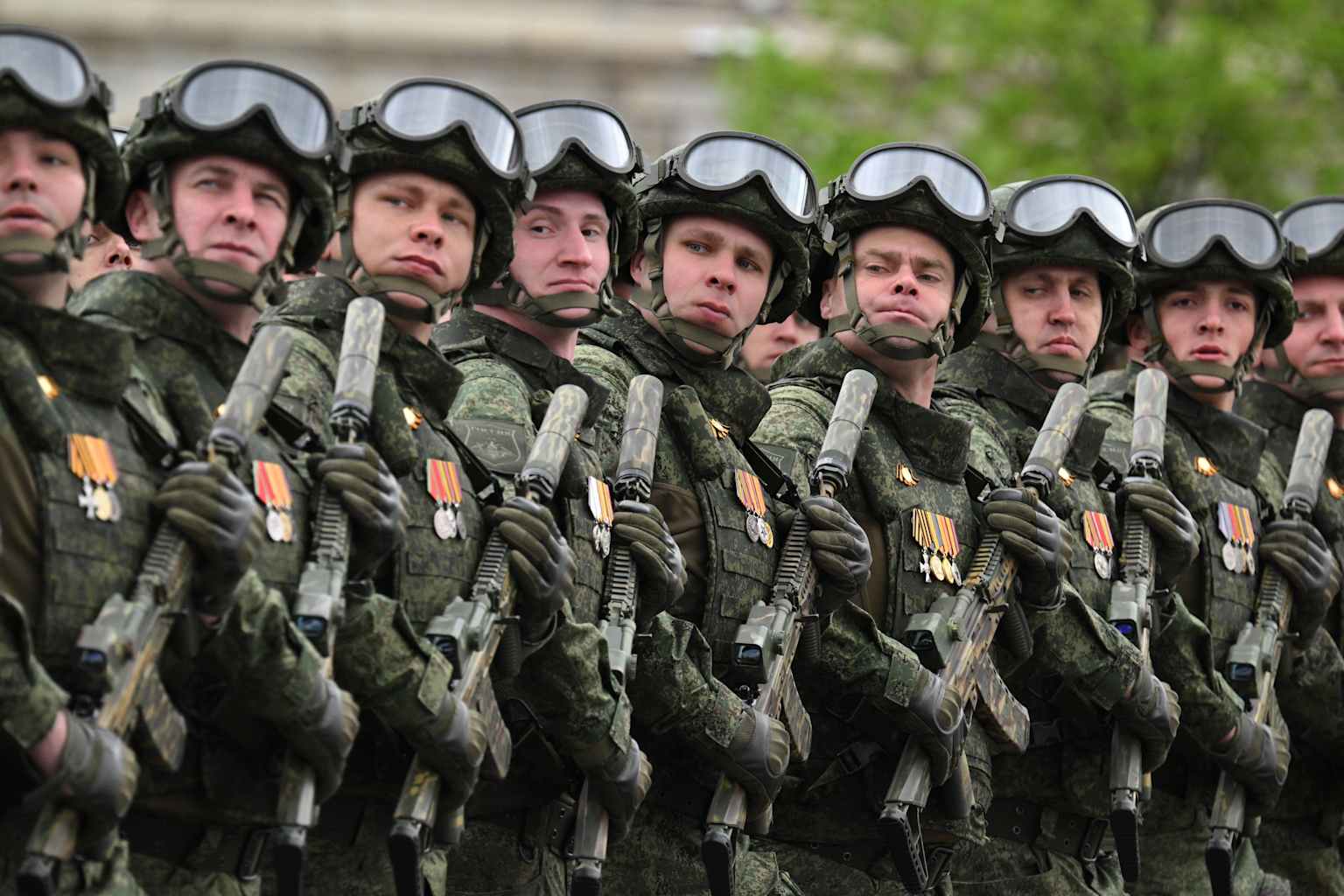
The European Union has confirmed it possesses evidence that China trained hundreds of Russian military personnel who later fought in Ukraine, adding a new dimension to already strained EU-China relations as Brussels advances trade measures targeting Beijing and diplomatic meetings between the two sides collapse.
An EU source told EuroPravda on June 11 that European intelligence services have verified reports that Chinese military facilities hosted Russian soldiers for training that included drone warfare, electronic warfare, and armored infantry tactics. “Our services have confirmed the information regarding China’s training of Russian soldiers. The training took place at several training bases in China, and hundreds of Russian military personnel received it,” the source said.ua
The confirmation follows a Reuters investigation published on May 19, which cited three European intelligence agencies and a bilingual Russian-Chinese agreement signed by senior officers in Beijing on July 2, 2025. The agreement outlined training for approximately 200 Russian troops at military facilities in Beijing and Nanjing, with at least some identified as having subsequently participated in combat operations in occupied Crimea and Zaporizhzhia. Both Beijing and Moscow have denied the reports.reuters
The military training revelations land amid a broader deterioration in EU-China ties. The Financial Times reported on June 10 that China cancelled two diplomatic meetings with the EU this month — a ministerial-level digital dialogue and a separate engagement involving Olof Skoog, the deputy secretary-general of the EU’s diplomatic service. No immediate replacement dates were set.caliber
The European Commission said the cancelled meetings “are in the process of being rescheduled” and pointed to a June 9 meeting in Brussels between Director-General for Trade Ditte Juul Jørgensen and China’s Vice Minister of Commerce Ling Ji as evidence that dialogue continues.unn
Separately, the EU is advancing legislation that could force companies in critical sectors to source from at least three different suppliers, with a cap of 30 to 40 percent on purchases from any single source. EU Trade Commissioner Maroš Šefčovič said on June 5 that such rules would shield companies from “general supply chain disruptions and government policies such as the export restrictions that China has imposed on certain rare earths”.reuters
The proposed diversification measures are part of a broader trade review expected by the third quarter of 2026 that will also include faster anti-dumping investigations. The package could be approved by EU leaders at a summit in late June.ft