Newsletter Subscribe
Enter your email address below and subscribe to our newsletter
Enter your email address below and subscribe to our newsletter

All voices matter
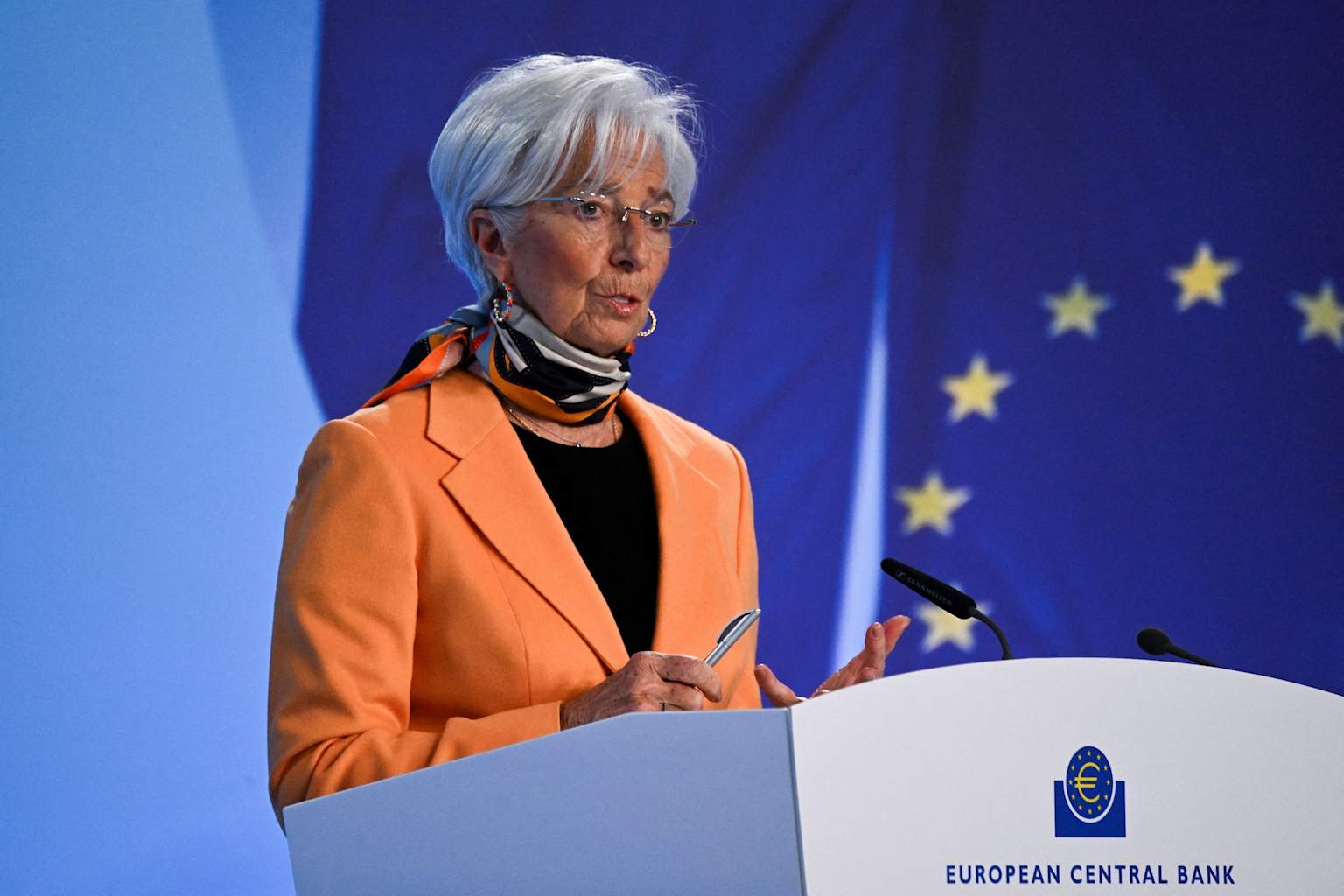
The euro weakened against the U.S. dollar on Tuesday as diplomatic breakthroughs between the United States and Iran eased geopolitical tensions and pushed oil prices lower, while European Central Bank President Christine Lagarde’s measured tone on monetary policy weighed further on the single currency.
The EUR/USD pair came under pressure after the U.S. Treasury on Monday announced a 60-day sanctions waiver permitting the production, transport, and sale of Iranian oil, effective immediately. The move followed what Vice President JD Vance called an “exceptionally positive day” of negotiations at the Bürgenstock resort in Switzerland, where mediators from Pakistan and Qatar reported that both sides had agreed on “a roadmap towards finalizing an agreement within 60 days”.aljazeera
Brent crude futures fell over 3% on Monday to close near $77.90 per barrel, while West Texas Intermediate dropped more than 2%. The prospect of Iranian oil returning to global markets in volume reduced geopolitical risk premiums that had buoyed energy-linked currencies and weighed on the dollar in recent months.cnbc
Adding to the euro’s softness, Lagarde told the European Parliament’s Committee on Economic and Monetary Affairs on Monday that while the ECB’s June rate hike of 25 basis points was “robust across scenarios,” there was “no evidence yet of de-anchoring of inflation expectations or second-round effects that would warrant a more forceful policy response at this stage”.econostream-media
Her remarks signaled that the ECB is unlikely to accelerate its tightening cycle despite headline inflation running at 3% in the eurozone. Lagarde characterized the current episode as a “not-too-persistent overshoot” requiring careful rather than aggressive adjustment, a contrast with the rapid-fire hikes deployed during the 2021-22 inflation surge.yahoo
The combination of falling oil prices and a cautious ECB stance narrowed the expected rate differential between Europe and the United States, lending the dollar relative strength. Treasury Secretary Scott Bessent noted that Iran had pledged to ensure “free and open transit through the Strait of Hormuz” and to allow IAEA inspectors access to its territory, commitments that, if upheld, could further reduce energy costs and inflation pressures globally.aljazeera
Technical discussions between Washington and Tehran are set to continue throughout the week at Bürgenstock, leaving markets watching for further signals on whether a comprehensive nuclear agreement can be reached within the 60-day window.reuters