







Newsletter Subscribe
Enter your email address below and subscribe to our newsletter

Enter your email address below and subscribe to our newsletter
All voices matter

The 2026 FIFA World Cup, which kicks off on June 12 at Mexico City’s Estadio Azteca, has been overshadowed by a series of visa denials that have drawn sharp criticism of both the United States government and FIFA’s leadership, raising questions about whether a tournament meant to celebrate global unity can coexist with hardline immigration policies.
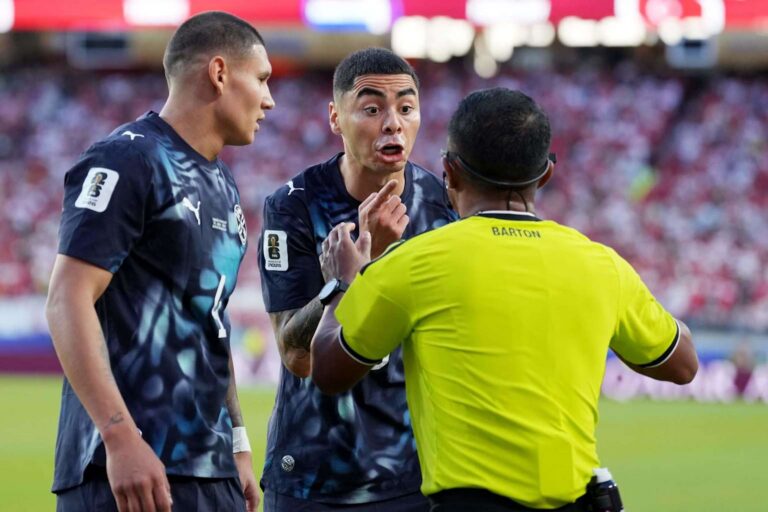
Omar Artan, who was set to become the first Somali referee to officiate at a World Cup, was denied entry to the United States on June 7 after arriving at Miami International Airport from Istanbul. U.S. Customs and Border Protection said Artan was “determined to be inadmissible due to vetting concerns,” while an administration official later told CBS News the denial was based on “association with suspected members of terror organizations”. FIFA confirmed Artan “will be unable to train and officiate at the FIFA World Cup 2026” and said it does not involve itself in host nations’ immigration processes. Artan received a hero’s welcome upon his return to Mogadishu. Somalia is among 39 countries listed on President Trump’s travel ban executive order, which includes a near-total restriction on entry despite exemptions for World Cup participants.aljazeera
Iran’s football federation accused the U.S. of “vindictive behavior” after 14 backroom staff and officials were denied visas ahead of matches in Los Angeles and Seattle. While four later won appeals, 11 remain barred. The Trump administration stated it issued visas for players and necessary support staff but warned it “will not allow the Iranian team to abuse this system to sneak terrorists into the United States”.gbnews
Former FIFA president Sepp Blatter weighed in on June 13, writing on X that a World Cup host “must guarantee two fundamental principles: the safety of the country, and the unrestricted entry of all qualified teams, officials and referees,” adding that Artan’s case violated these obligations and that “FIFA must never compromise the universality of football”.ghanaweb
FIFA President Gianni Infantino drew criticism at a pre-tournament news conference in Mexico City on June 11 when he told reporters it was sometimes better to “chill and relax” over visa issues. “We are not the kings of the world who can rule over governments and police forces,” he said. “We are a sports organization, we try to do our best with the means that we have”.espn
The controversies unfold against a backdrop of strained relations among the three co-hosts. Trade disputes, tariffs, and political friction between the Trump administration and Canada and Mexico have turned what was envisioned as a celebration of North American cooperation into something far more fraught. As the BBC noted, the tournament “follows a time marked by strained relations among its hosts”.bbc