




Newsletter Subscribe
Enter your email address below and subscribe to our newsletter

Enter your email address below and subscribe to our newsletter
All voices matter
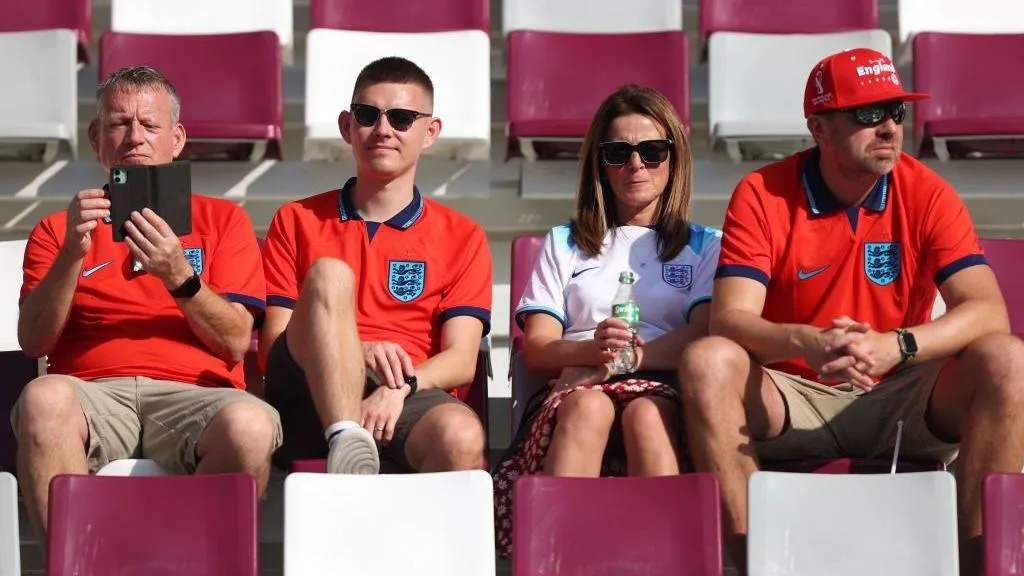
FIFA announced on Friday that fans attending the 2026 World Cup may bring one factory-sealed disposable water bottle of up to 20 ounces into stadiums, partially walking back a ban on reusable bottles that had drawn fierce criticism from political leaders and public health advocates less than a week before the tournament’s June 11 kickoff.
“Each spectator can bring with them one 20 ounce (560ml) soft, plastic disposable factory-sealed water bottle into the stadium,” said World Cup 2026 chief operating officer Heimo Schirgi, according to the BBC. “What is not allowed are hard-sided resealable water containers, which could pose a safety and security risk.”bbc
The clarification came after FIFA updated its Stadium Code of Conduct on June 2, eliminating language that had previously permitted fans to carry empty, transparent, reusable plastic bottles of up to one liter into venues. The updated code stated bluntly that “reusable water bottles may not be brought into the stadium,” as first reported by The Athletic.nbcnews
The ban provoked a swift and unusually coordinated response from political leaders across three countries. UK Prime Minister Keir Starmer called the move “wrong” in an LBC interview on Friday. “I can’t help but think that it’s about making money,” he said. “You can’t bring plastic bottles in, but you can purchase a bottle of water once you enter the venue? And it will likely be pricey.”espn
Toronto Mayor Olivia Chow labeled the policy “a pure money grab” during a Thursday press conference, telling CTV News: “Why should you need to purchase a water bottle when you can simply carry your own? It’s cheaper and environmentally friendly.” New York City Mayor Zohran Mamdani told The Athletic the decision “raises concerns because the heat we are discussing affects not just the players but also the spectators.”nytimes
The controversy centers on the intersection of fan safety and commercial interests during a summer tournament where high temperatures are expected at venues across the United States, Canada, and Mexico. Beverages inside stadiums will be sold exclusively by FIFA partner Coca-Cola, which sold bottled water at FIFA’s Club World Cup last summer for between $4 and $6.cbc
FIFA maintained throughout the week that the original ban was implemented “to prevent risk and injury to players and attendees” and to standardize rules across venues where outside bottles were already restricted. The partial reversal preserves the prohibition on hard-sided reusable containers while acknowledging that fans need affordable access to hydration during matches scheduled throughout the hottest months of the North American summer.economictimes