







Newsletter Subscribe
Enter your email address below and subscribe to our newsletter

Enter your email address below and subscribe to our newsletter
All voices matter
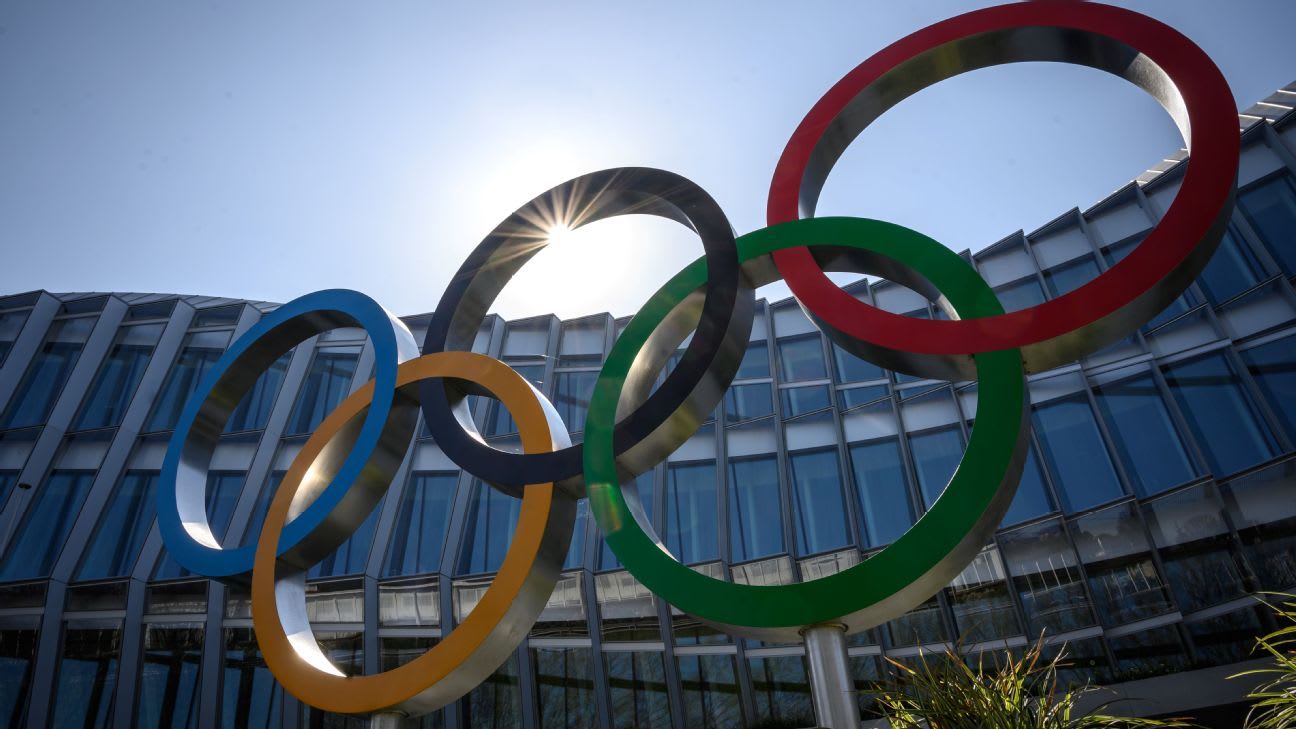
The International Olympic Committee on Thursday announced a sweeping new eligibility policy that bars transgender women and most intersex athletes from competing in women’s events, effective at the 2028 Los Angeles Games. The decision reinstates genetic testing that the IOC had abandoned more than two decades ago and establishes a single, universal standard across all Olympic sports.bbc
Under the policy, all athletes seeking to compete in women’s events must undergo a one-time screening for the SRY gene, a segment of DNA typically found on the Y chromosome that initiates male sex development. The test can be administered via saliva, cheek swab, or blood sample, and athletes who screen negative are permanently cleared for women’s competition. Those who test positive are barred from the female category, with one narrow exception: athletes diagnosed with Complete Androgen Insensitivity Syndrome, a rare condition in which the body cannot process testosterone.theslop
“At the Olympic Games, even the smallest margins can be the difference between victory and defeat,” IOC President Kirsty Coventry said in a video statement. “So, it is absolutely clear that it would not be fair for biological males to compete in the female category. In addition, in some sports it would simply not be safe”.time
The policy reverses the IOC’s 2021 framework, which emphasized inclusion and left eligibility decisions to individual sport federations. It aligns with rules already adopted by World Athletics and World Aquatics. Coventry, a Zimbabwean swimmer who became the first woman to lead the IOC last year, said the review was initiated on her watch and denied any outside pressure, including from the Trump administration. The White House nonetheless claimed credit, with Press Secretary Karoline Leavitt saying the president’s executive order on women’s sports “made this happen”.opb
The backlash was swift. On Friday, French Sports Minister Marina Ferrari said France was “greatly concerned,” calling the reintroduction of genetic testing a “backward step” that raises “numerous ethical, legal, and medical questions,” particularly given that French law prohibits genetic testing outside medical or research purposes.lemonde
A coalition of 90 organizations, including the International Commission of Jurists and the Sport & Rights Alliance, had urged the IOC not to adopt the policy. Andrea Florence, executive director of the Sport & Rights Alliance, called it “a catastrophic erosion of women’s rights and safety”. Olympic medalist Francine Niyonsaba, who has a DSD condition, also pleaded with the IOC to reconsider, saying, “The IOC must not turn its back on women and girls of color”.time
Critics note the policy disproportionately affects not transgender women — none competed at the 2024 Paris Games — but cisgender women with differences in sex development who may not even know they carry the SRY gene. The IOC previously abandoned sex verification testing in 1999 after controversies over false positives and privacy violations. The policy is widely expected to face a challenge at the Court of Arbitration for Sport.readtpa