






Newsletter Subscribe
Enter your email address below and subscribe to our newsletter

Enter your email address below and subscribe to our newsletter
All voices matter
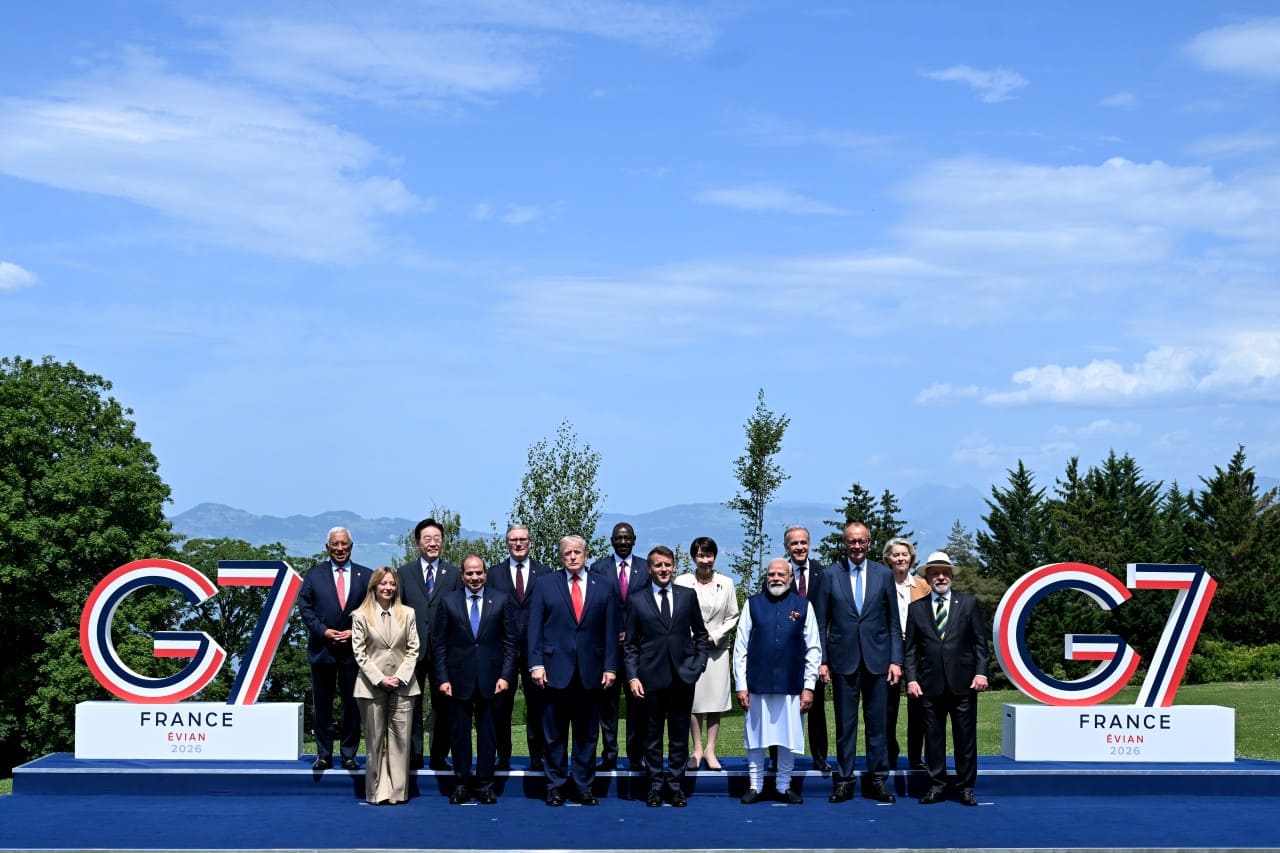
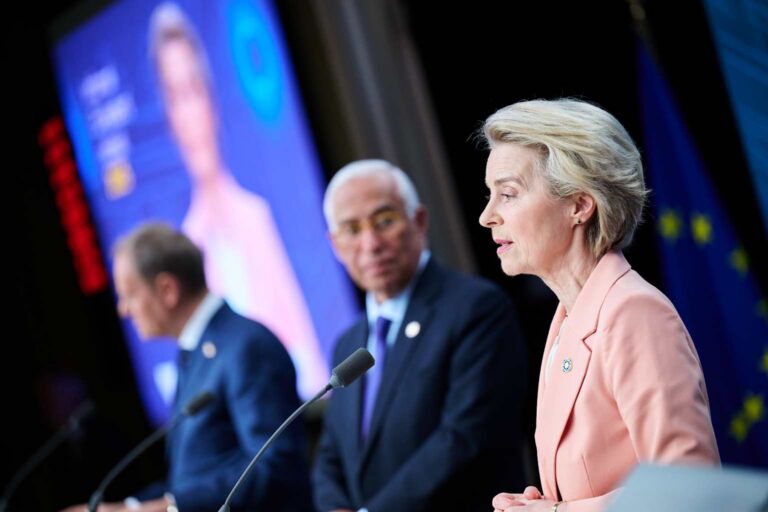
The 52nd G7 Summit concluded Wednesday in Évian-les-Bains, France, after three days of talks that produced joint declarations on international development partnerships, the Bundibugyo Ebola outbreak, and global debt vulnerabilities — while a hot-mic moment between Canadian Prime Minister Mark Carney and U.S. President Donald Trump offered an unscripted window into trade diplomacy.
G7 leaders adopted a declaration calling for a shift away from traditional aid-based models toward “mutually beneficial partnerships” that prioritize private investment, economic sovereignty, and domestic resource mobilization in developing nations. The statement, also endorsed by guest nations Kenya and South Korea, acknowledged that existing approaches had produced only “limited impact in reducing financial dependency on external assistance”.livemint
The leaders pledged to “enhance efforts to address escalating global debt vulnerabilities that threaten economic stability and constrain fiscal space for essential public service interventions”. They urged progress toward a common approach to debt restructuring for middle-income countries not currently eligible for the G20 Common Framework, which was established during COVID-19 to aid the poorest nations.straitstimes
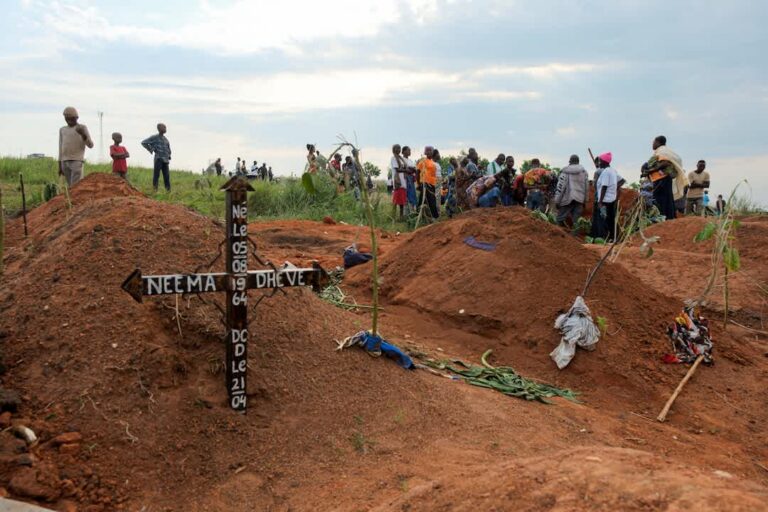
In a separate statement, G7 leaders called for a coordinated global response to the re-emerging Bundibugyo Ebola outbreak in the Democratic Republic of the Congo and Uganda. The declaration committed to mobilizing support for dedicated vaccines, diagnostics, and treatments, and affirmed backing for the UN humanitarian reset plan aiming to reach 87 million people with aid in 2026. Guest nations Egypt, India, Kenya, and South Korea also endorsed the call.gov
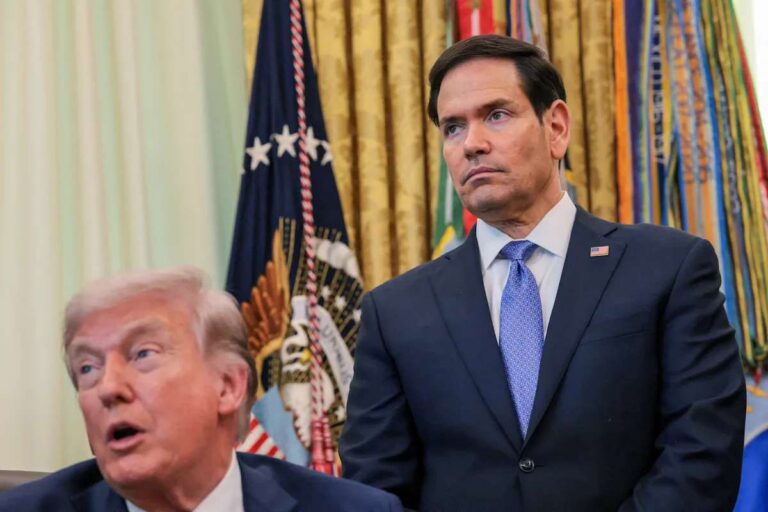
A hot microphone captured Carney leaning toward Trump before a working luncheon on Monday, explaining Canada’s recent agreement with China to allow up to 49,000 Chinese electric vehicles annually into the Canadian market at a 6.1 percent tariff — roughly three percent of Canada’s total market. “We capped, a hard line,” Carney told Trump, who replied, “That’s good. I like that”. The exchange was notable given that the U.S. maintains a 100 percent tariff on Chinese EVs and Trump had previously criticized the Canadian deal.cbc
Separately, Carney announced new sanctions targeting 162 Russian individuals, entities, and vessels during a bilateral meeting with Ukrainian President Volodymyr Zelenskyy on the summit’s sidelines. Canada has now sanctioned over 3,400 individuals and entities since Russia’s full-scale invasion of Ukraine.cbc