






Newsletter Subscribe
Enter your email address below and subscribe to our newsletter

Enter your email address below and subscribe to our newsletter
All voices matter
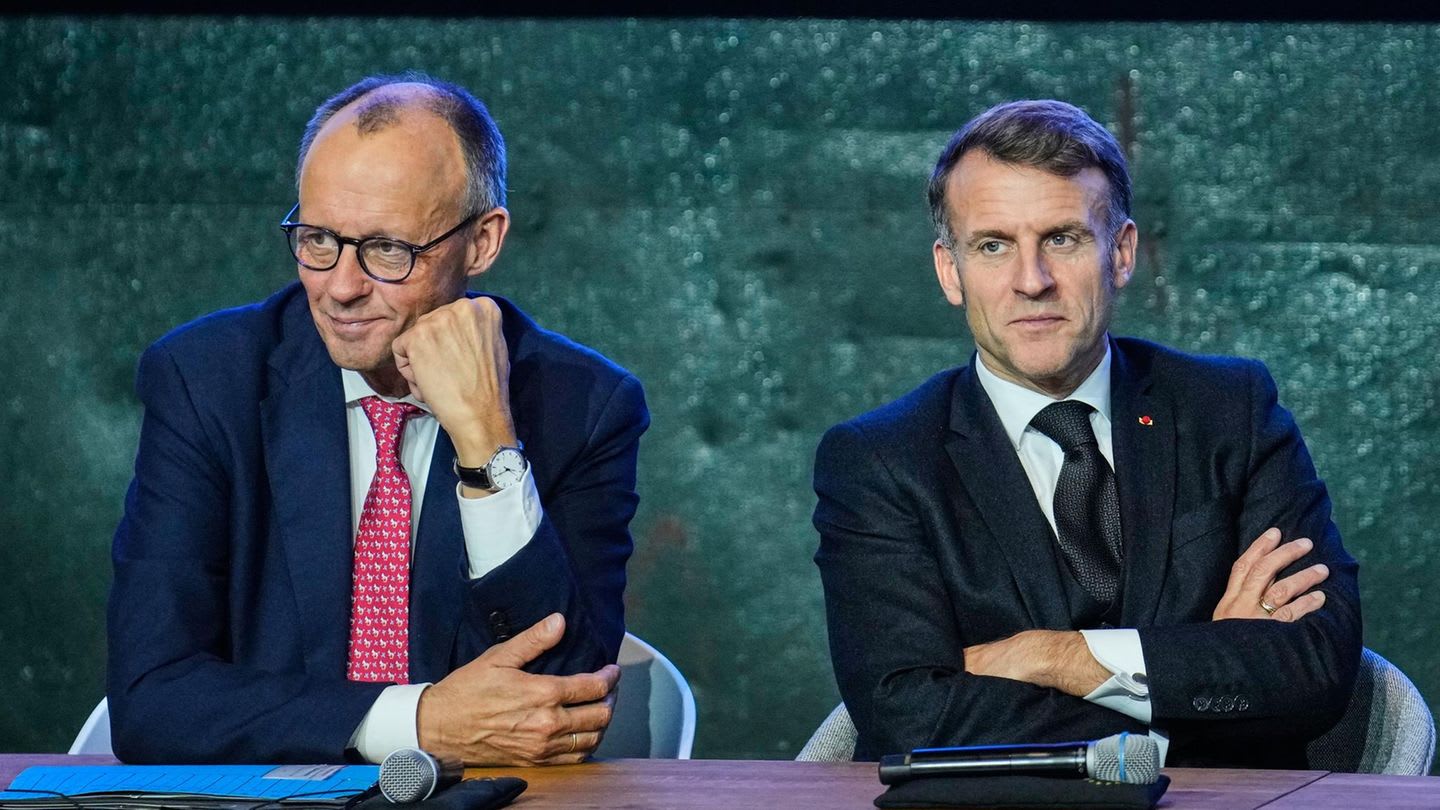
German Chancellor Friedrich Merz and French President Emmanuel Macron have agreed to end efforts to build a joint next-generation fighter jet, marking the collapse of the centerpiece of Europe’s most ambitious defense program after years of industrial deadlock between Airbus and Dassault Aviation.
Two German government officials told Reuters on Monday that the leaders concluded the companies “will not be able to come together on building a joint combat aircraft.” The decision was discussed on the sidelines of the EU-Western Balkans summit held on June 5 in Tivat, Montenegro, according to the sources.internazionale
The Future Combat Air System, launched in 2017 by Macron and former Chancellor Angela Merkel, was conceived as a €100 billion effort to replace France’s Rafale jets and the Eurofighter planes used by Germany and Spain by around 2040. Under the agreement reached by Merz and Macron, the drone system and the “combat cloud” — a classified digital network linking manned and unmanned platforms — will continue under the FCAS name. But the manned sixth-generation fighter, the program’s core element, is now dead.straitstimes
A German government official told Agence France-Presse that the two leaders “acknowledge this reality,” adding that Merz had urged Macron not to pursue the joint aircraft further.lemonde
The collapse stems from an intractable dispute between France’s Dassault Aviation and Germany’s Airbus Defence and Space over governance, intellectual property, and workshare. A mediation effort in April failed to produce consensus, with mediators filing separate final reports. Airbus CEO Guillaume Faury had previously proposed a “two-fighter solution” to salvage parts of the project, while Dassault chief Eric Trappier insisted his firm must lead.breakingdefense
Merz had signaled the outcome for months. In February, he told the German podcast Machtwechsel that France needed “an aircraft capable of carrying nuclear weapons and operating from an aircraft carrier” — requirements he said Germany does not share. Belgium’s defense minister responded bluntly on social media: “SCAF is dead.”breakingdefense
Analysts expect France and Germany to now pursue separate national or alternative multinational fighter programs under the broader FCAS umbrella. The decision represents a blow to European defense cooperation at a time when the continent is seeking to rebuild military capacity after decades of underinvestment and amid strained transatlantic relations.aerotime