







Newsletter Subscribe
Enter your email address below and subscribe to our newsletter

Enter your email address below and subscribe to our newsletter
All voices matter
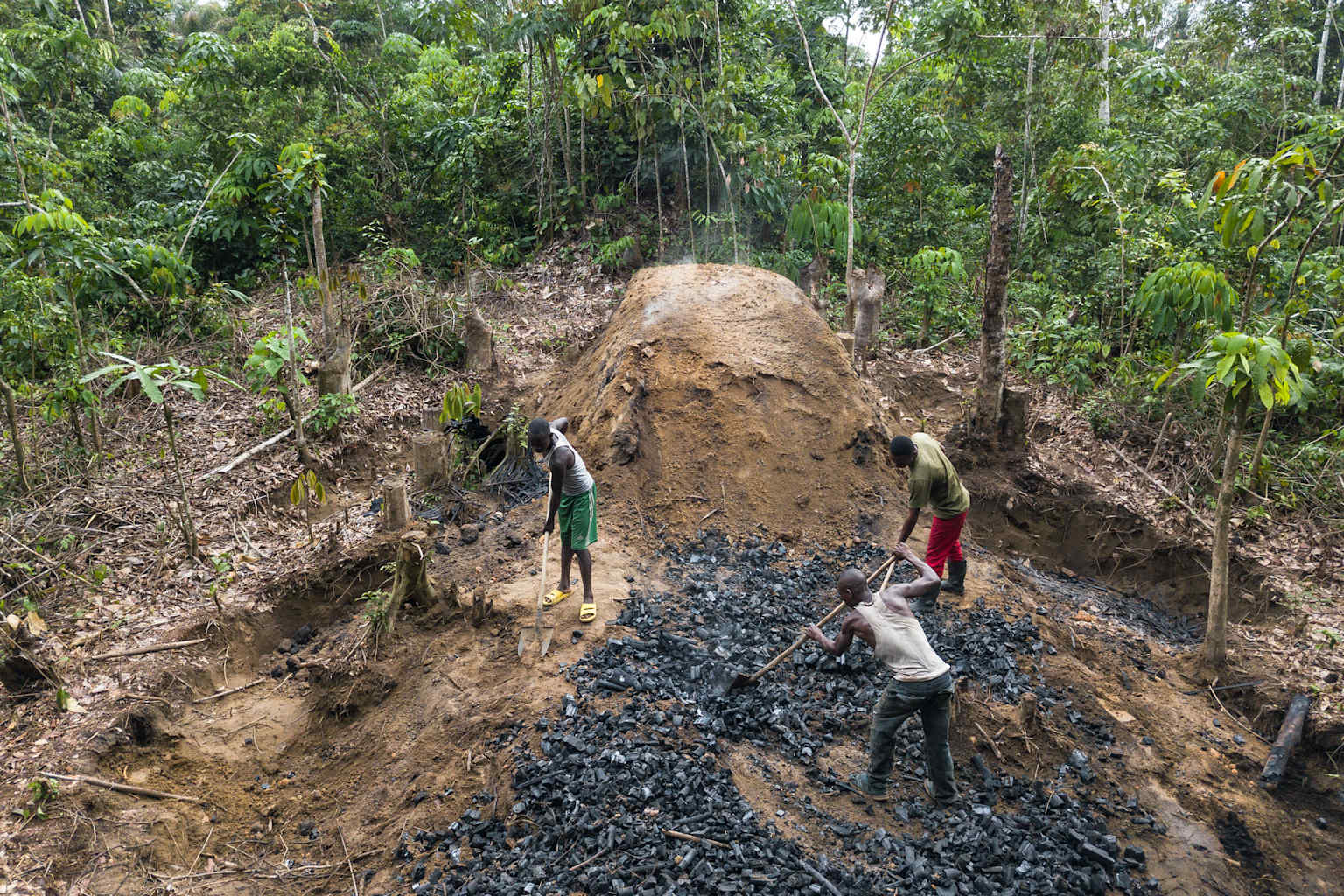
Two months after the start of the Iran war upended global energy markets, soaring fuel prices are forcing millions of families in Africa and South Asia to abandon cleaner cooking methods and revert to charcoal and firewood — a shift that conservationists warn is accelerating deforestation and threatening fragile wildlife habitats.
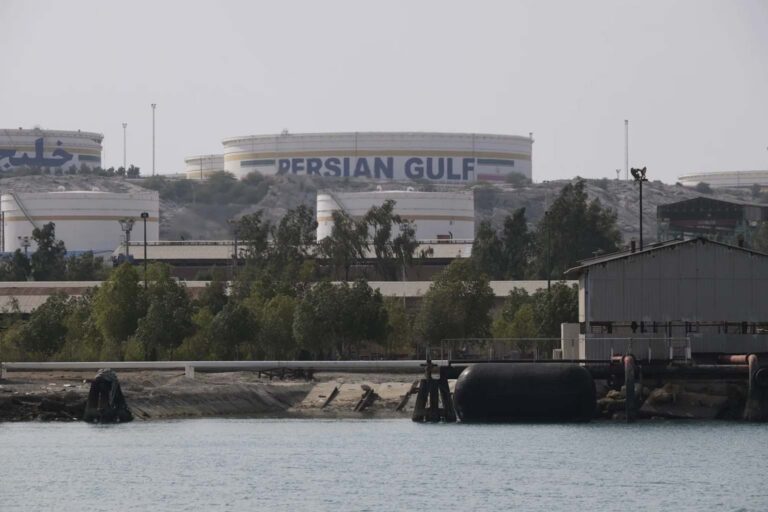
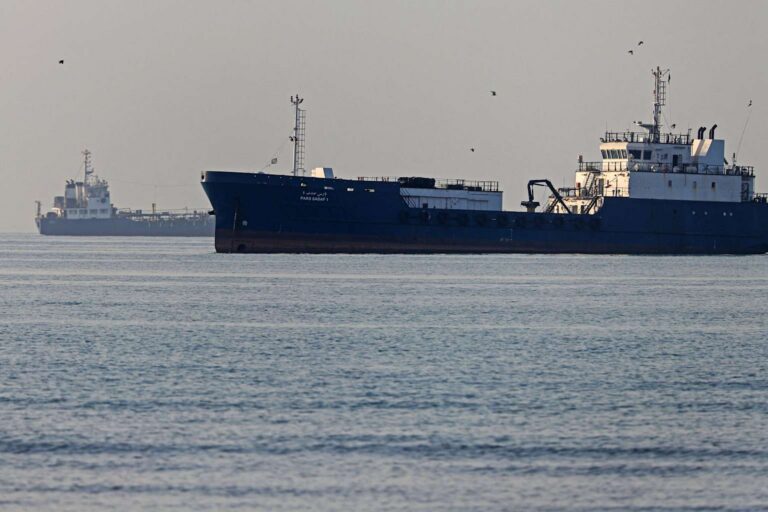
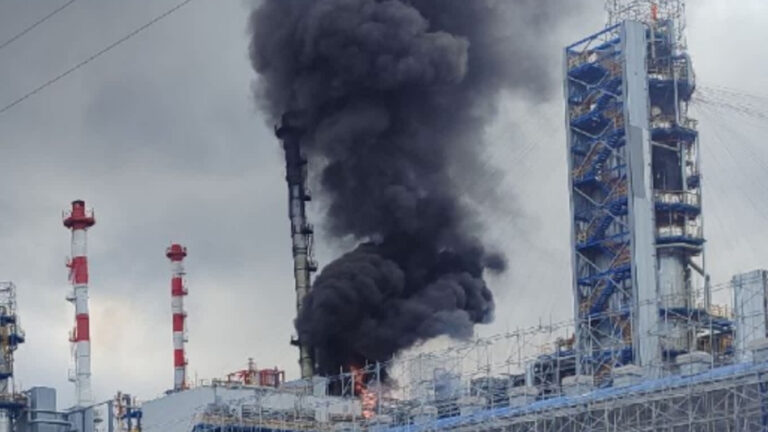
The closure of the Strait of Hormuz, through which roughly 20 percent of the world’s oil and liquefied natural gas flows, has created what the International Energy Agency called the “greatest global energy security challenge in history”. The ripple effects have reached the kitchens of some of the world’s poorest households.wikipedia
In Nigeria, the price of cooking gas surged to 1,500 naira per kilogram in April, a 14.3 percent month-on-month increase that dealers attributed directly to the Middle East crisis. In South Africa, LPG prices jumped by as much as 150 percent. Across India, the world’s second-largest LPG importer, the disruption triggered panic buying and government-imposed rationing. In March, New Delhi took the extraordinary step of temporarily reintroducing kerosene for household cooking and authorizing coal use in restaurants — reversing years of clean-fuel policy.vanguardngr
“Before using LPG, we would stock 30-40 kg of firewood for the week. Since this shortage began, we neither have gas, nor enough firewood,” one Indian household told Mongabay India. Bloomberg reported that some Indian families had resorted to cooking with firewood after failing to secure LPG refills. In Tanzania, fuel prices hit record highs in April.instagram
The return to biomass fuels is compounding pressure on ecosystems already in decline. A University of Leicester study confirmed that Africa’s forests have flipped from carbon sinks to net carbon emitters, with tropical moist broadleaf forests losing approximately 106 billion kilograms of biomass per year between 2010 and 2017, driven in part by charcoal production.sciencedaily
Paula Kahumbu, CEO of WildlifeDirect in Nairobi, warned that the energy shock is undermining conservation gains. “When LPG, kerosene, or electricity become too costly or unreliable, numerous families revert to using firewood and charcoal,” she said, noting the fuels are “more accessible in financially constrained environments, despite their environmental impact”. The shift places additional burdens on women and girls who spend hours gathering fuel.usnews
Conservation projects in Kenya’s Chyulu Hills and across the Democratic Republic of Congo, Madagascar, and West Africa — regions already experiencing the heaviest forest losses — now face intensified threats from charcoal demand.africasustainabilitymatters
The IMF warned in late March that all scenarios stemming from the conflict “lead to higher prices and slower growth,” with low-income countries in Africa especially vulnerable to food and energy cost increases. The Asian Development Bank projected that growth across the Asia-Pacific would slow from 5.4 percent to 5.1 percent in 2026 and 2027. For households at the margins, the calculus is simpler: cook with what you can afford, regardless of the cost to the air they breathe or the forests around them.cnn