




Newsletter Subscribe
Enter your email address below and subscribe to our newsletter

Enter your email address below and subscribe to our newsletter
All voices matter
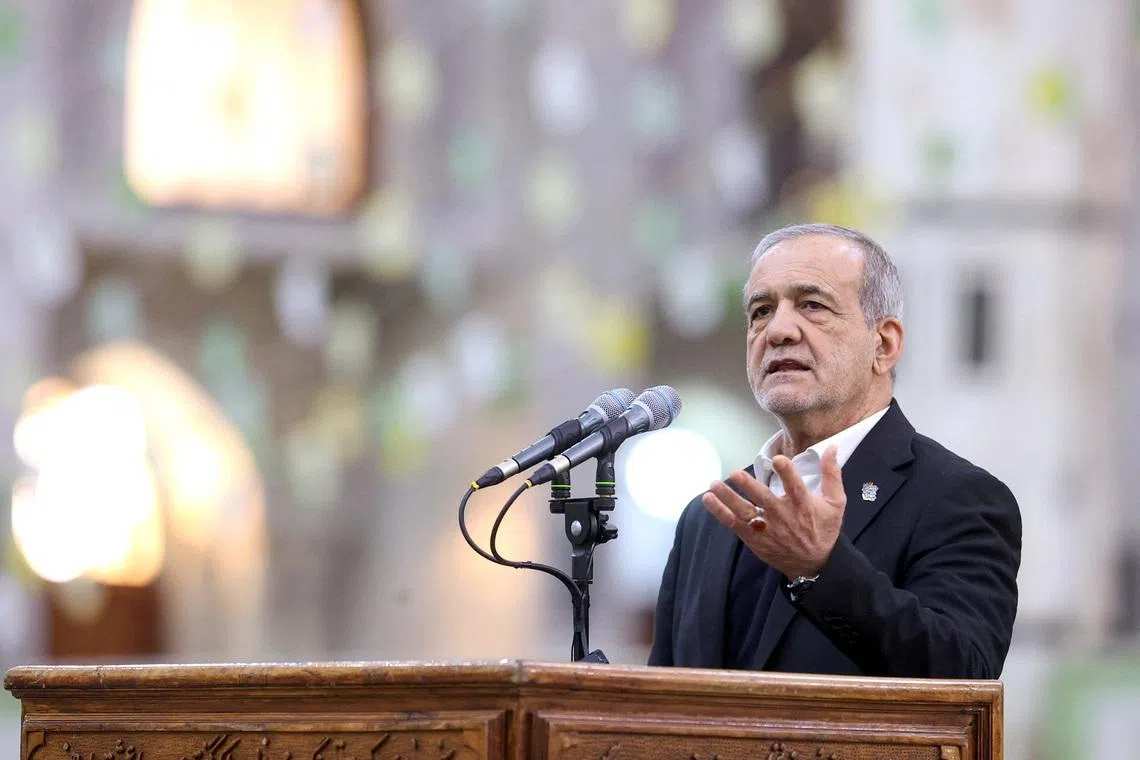
Iranian President Masoud Pezeshkian ordered the restoration of international internet access on May 25, seeking to end what has become the longest nationwide internet shutdown in history. Internet monitoring group NetBlocks confirmed partial connectivity was restored on Tuesday. But within hours, Iran’s judiciary suspended the very presidential body responsible for carrying out the order, plunging the country’s digital future into uncertainty.
Pezeshkian’s directive called for internet services to be restored to pre-December 2025 levels, a move that would mark the first broad restoration of global connectivity since Iranian authorities imposed a near-total blackout on February 28 amid the country’s escalating conflict with the United States and Israel.aljazeera
The president had established the Special Headquarters for Organising and Governing the Country’s Cyberspace on May 12, appointing First Vice President Mohammad Reza Aref to lead it. But on Tuesday, the judiciary’s Mizan Online website announced the headquarters had been suspended following the “filing of complaints,” according to an AFP report cited by multiple outlets.straitstimes
Iran’s Supreme National Security Council remains the highest authority on internet access and national security matters, and the judiciary’s intervention underscored that Pezeshkian’s order may lack the institutional backing to take full effect.firstpost
The clash over internet access reflects a deeper fracture within Iran’s governing system. Even before the judiciary acted, a member of Iran’s parliamentary presiding board had declared Pezeshkian’s cyberspace taskforce illegal, saying it violated the country’s seventh development plan. IRGC-affiliated media have also questioned the president’s authority to make unilateral decisions on internet governance.x
Since early 2026, the Islamic Revolutionary Guard Corps has consolidated control over key state functions, with analysts describing a shift from Iran’s traditional dual civilian-military governance toward an overtly military-dominated structure. Pezeshkian has been largely sidelined from sensitive decisions, according to Iran International.iranintl
The blackout, which began during anti-government protests in January and deepened after the outbreak of hostilities with the U.S. and Israel, left most of Iran’s population with access only to a slow intranet of state-sanctioned applications. Authorities introduced a tiered “Internet Pro” service in April that granted limited global access to approved businesses, but ordinary citizens remained largely cut off.youtube
The situation now rests in legal and digital limbo — a presidential order issued, partial connectivity detected, and a judiciary determined to reassert control over who decides when Iranians can reconnect to the world.