






Newsletter Subscribe
Enter your email address below and subscribe to our newsletter

Enter your email address below and subscribe to our newsletter
All voices matter
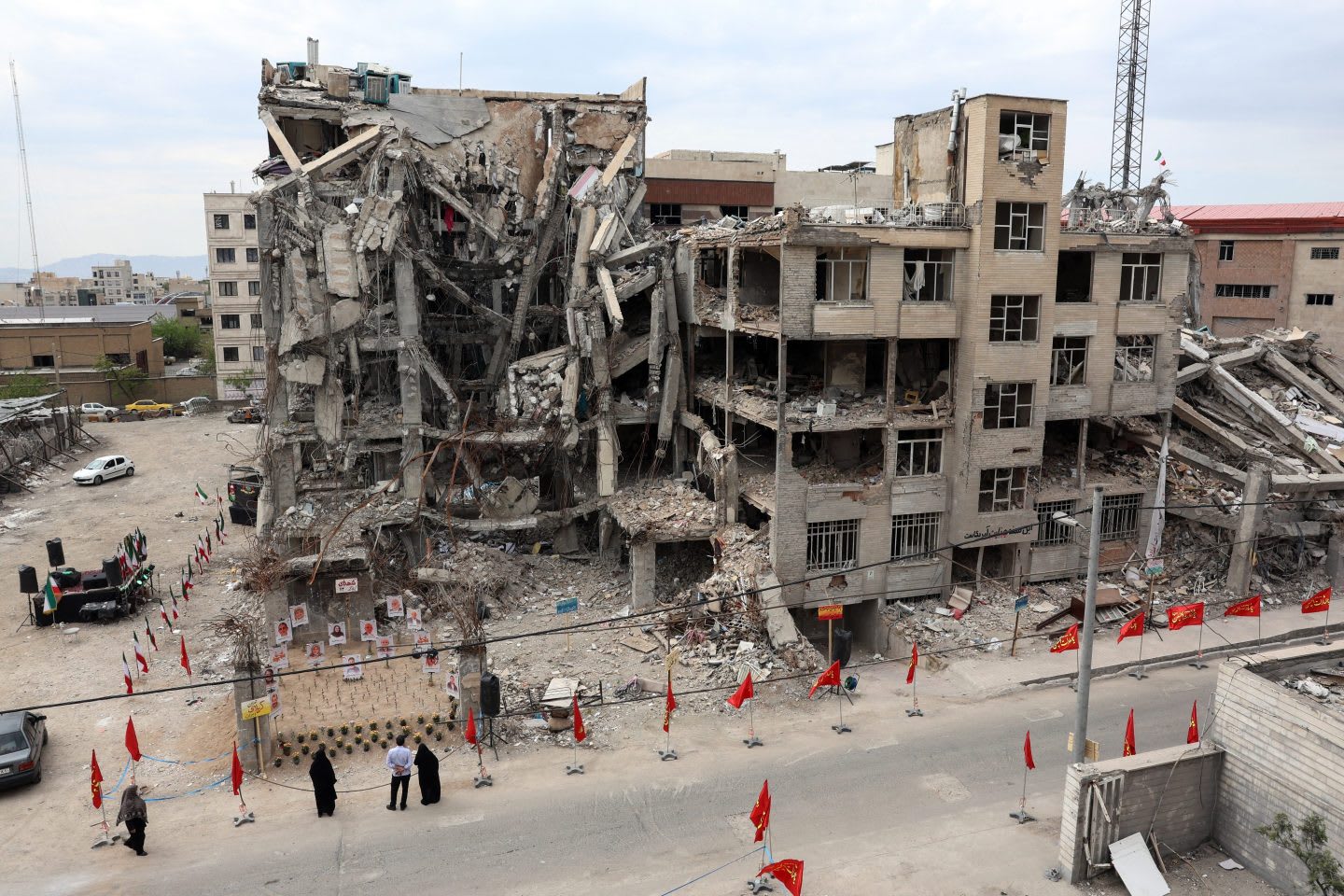
Iran’s economy is reeling from the combined effects of war, a record-long internet blackout, and an intensifying U.S. sanctions campaign, with mass layoffs sweeping across industries from petrochemicals to the tech sector and threatening the livelihoods of millions.
Approximately two million Iranians have already been laid off as a direct result of the conflict with the United States and Israel, according to Gholamhossein Mohammadi, Iran’s Deputy Minister of Work and Social Security. But the full scope of the damage may be far larger. Economist Hadi Kahalzadeh, writing for the Bourse & Bazaar Foundation, estimated that 10 to 12 million jobs — roughly half of Iran’s workforce — are now at risk, with a realistic scenario of 3 to 4 million positions being permanently lost, representing the largest labor market contraction in Iran’s modern history.fortune
The internet blackout, now exceeding 70 days and the longest recorded national shutdown in a connected society according to internet monitor Netblocks, has compounded the damage. Bloomberg reported that Iran’s leading financial newspaper, Donya-e Eqtesad, described the digital cutoff as a “silent earthquake” crippling the economy as much as the airstrikes themselves. Industry officials have warned the blackout costs Iranian businesses between $30 million and $40 million per day, with indirect losses likely doubling that figure. Communications Minister Sattar Hashemi has acknowledged that roughly 10 million jobs depend on internet connectivity.indexbox
The shutdown, which began during mass protests in January and was extended into a complete blackout when the U.S.-Israeli military campaign started on February 28, has devastated Iran’s once-thriving digital economy. Freelancers, programmers, content creators, and small business owners who relied on platforms like Instagram and WhatsApp for sales and marketing have been cut off from their customers. DigiKala, Iran’s largest online retailer, recently laid off 200 employees.apnews
An AI worker at a Tehran software company identified only as Amin told Bloomberg that his work had “slowed down dramatically and at times stopped altogether,” leading to salary reductions and layoffs across his firm. The Associated Press reported that a software developer who lost his position after his employer laid off most of its staff in recent weeks said the shutdown had “obliterated remote job opportunities”. A growing number of displaced workers have turned to street vending in Tehran, further straining an educated middle class already battered by a currency collapse and inflation exceeding 50 percent.business-standard
The Trump administration has framed Iran’s economic deterioration as a feature, not a flaw, of its broader strategy. Under the banner of “Operation Economic Fury,” the Treasury Department has rolled out waves of sanctions targeting Iran’s shadow banking system, military supply chains, and oil exports, including measures aimed at Chinese refineries purchasing Iranian crude. President Trump, reviewing a recent Iranian peace proposal, posted on social media that Iran has “not yet paid a big enough price” for its actions.nytimes
Reuters reported that analysts expect a double-digit drop in Iran’s GDP this year, though the country may prove more resilient in the short term than Washington hopes, thanks to gold reserves and trade with neighboring countries. For ordinary Iranians, the outlook is bleaker. “Even if the cease-fire holds, Iran’s most vulnerable people will suffer the long-term consequences of this 40-day conflict,” Kahalzadeh wrote. “The bitter irony of this war is that the very population President Trump claimed to support by this war is now bearing the brunt of the damage.”internazionale