Newsletter Subscribe
Enter your email address below and subscribe to our newsletter
Enter your email address below and subscribe to our newsletter

All voices matter
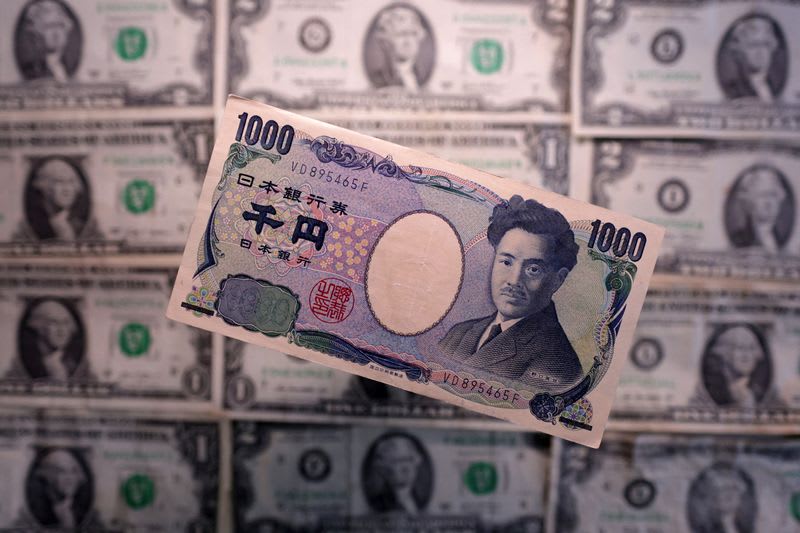
Japanese retail currency traders have dramatically reversed their positioning on the yen, shifting from heavy bearish bets to a net long stance, as Tokyo’s persistent warnings of market intervention and a newly hawkish Federal Reserve roil currency markets.
The turnaround marks a striking change from late April, when retail investors in Japan held their largest short yen positions since 2020, according to HSBC data cited by Reuters. At that time, traders had been selling the yen against the euro, Swiss franc, British pound, and Australian dollar, betting that neither rate hikes nor intervention would provide lasting relief. The unwinding of those bearish bets — from approximately ¥2.33 trillion in short positions at end-April to a net long of roughly ¥500 billion — reflects a market increasingly wary of being caught on the wrong side of official action.bworldonline
The shift follows Japan’s record spending to prop up its currency. Tokyo expended 11.7 trillion yen (approximately $73 billion) in intervention operations during late April and early May, marking the largest such effort in a single month. Despite those outlays, the yen has since erased all gains, sliding past 161 per dollar last week to its weakest level since July 2024.reuters
Japanese authorities have maintained a drumbeat of warnings. Finance Minister Satsuki Katayama stated at a recent G7 gathering that Japan stands “ready to take decisive measures against speculative activities” in currency markets. Meanwhile, Japan’s top currency diplomat Atsushi Mimura has remained publicly silent since early May — a strategy two government insiders told Reuters signals the potential for “unexpected intervention,” with his April 30 “final warning” still in effect.cnbc
The yen traded near 161.5 per dollar on Monday, hovering close to the 40-year low of 161.8 reached last Thursday.tradingeconomics
Complicating Japan’s efforts, Federal Reserve Chairman Kevin Warsh’s debut policy meeting last week delivered a hawkish jolt to global markets. While holding rates steady at 3.50%-3.75%, the Fed’s updated projections showed nine of 19 officials now expecting a rate increase by year-end, and the committee dropped language suggesting possible cuts. “This committee is committed to achieving price stability,” Warsh declared, sending the dollar index to a 13-month high.reuters
The resulting surge in U.S. Treasury yields has widened the interest rate gap between the two countries, sustaining the fundamental pressure that has driven the yen’s decline and leaving Japanese retail traders — once eager to profit from yen weakness — now bracing for the next official response.reuters