








Newsletter Subscribe
Enter your email address below and subscribe to our newsletter

Enter your email address below and subscribe to our newsletter
All voices matter
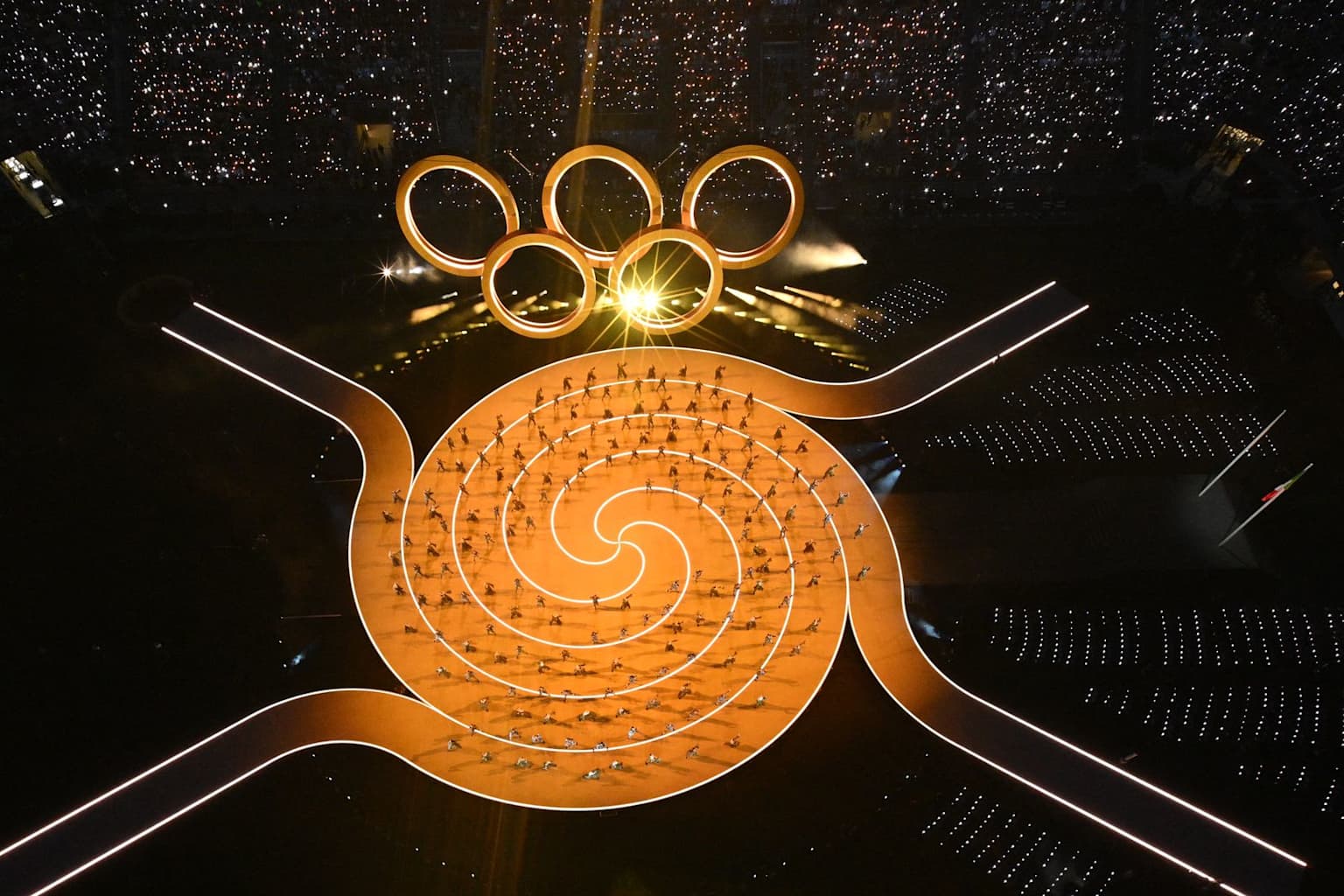
Not a single athlete tested positive for a banned substance during the 2026 Milan Cortina Winter Olympics, making it the first Olympic Games — summer or winter — without a doping violation in 28 years, the International Testing Agency announced on March 31.ita
The milestone marks the first clean Games since the 1998 Nagano Winter Olympics in Japan, which also produced no positive tests during competition.bbc
The ITA collected 3,053 samples from 1,848 athletes between the opening of the Olympic Villages on January 30 and the Closing Ceremony on February 22. Those samples included 2,180 urine tests, 768 blood draws, and 105 dried blood spot samples — a newer, less invasive method that was piloted at the Paris 2024 Summer Olympics and saw wider deployment in Milan Cortina. All samples were analyzed at a WADA-accredited laboratory in Rome and will be stored for up to 10 years for potential reanalysis.thesportsexaminer
The athletes tested represented 63.4% of all participants, up from 55% at the 2022 Beijing Winter Olympics. Every participating National Olympic Committee had at least one athlete tested during the Games. Perhaps more notably, 92% of competing athletes had already been tested at least once in the six months before the Games began, reflecting what the ITA described as a strengthened pre-Games program.francsjeux
The ITA was careful to note that its findings remain provisional. “At this stage, no anti-doping rule violations have been asserted based on the results of the testing conducted during the Games,” the agency stated. History offers reason for that caution: reanalysis of samples from the 2012 London Olympics ultimately uncovered 73 anti-doping rule violations, leading to the withdrawal of 31 medals and the reallocation of 46 others across four sports.ita
The clean result arrives at a time when anti-doping authorities have faced scrutiny over the effectiveness of their programs. The Games also featured advances in testing technology, including a device developed by Tasso and InnoVero that draws blood from capillaries on the shoulder rather than from a vein, reducing the invasiveness of the process for athletes. Whether the record holds will depend on the long-term storage and reanalysis program that has reshaped the doping landscape since Athens 2004.sportsbusinessjournal