





Newsletter Subscribe
Enter your email address below and subscribe to our newsletter

Enter your email address below and subscribe to our newsletter
All voices matter
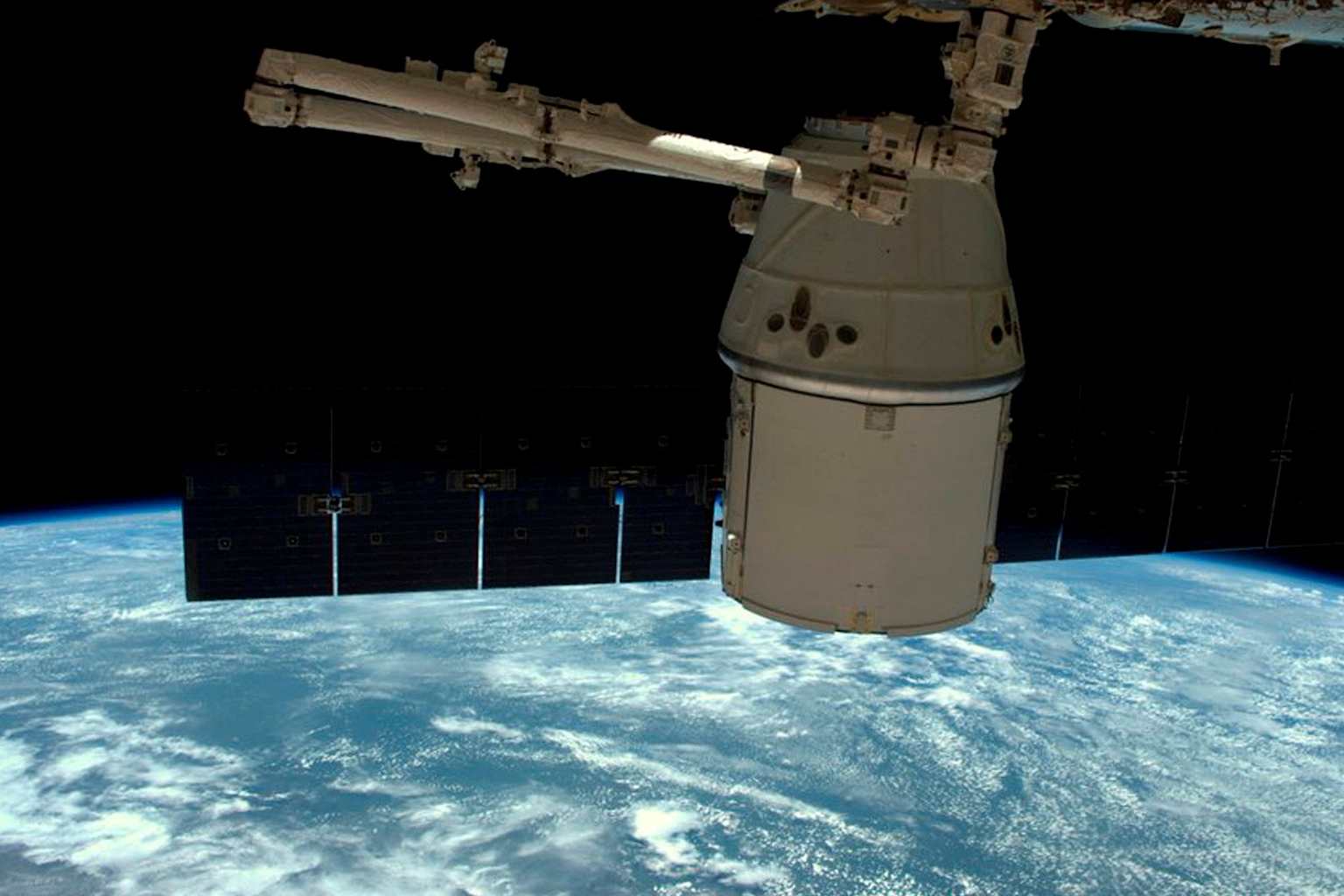
NASA directed astronauts aboard the International Space Station to take shelter in their docked spacecraft and prepare for possible evacuation on Friday after a persistent air leak in the Russian segment worsened, multiple outlets reported.indiatoday
Five of the seven crew members aboard the station were ordered to shelter inside the SpaceX Crew Dragon “Freedom” capsule, which has been docked at the ISS since delivering the Crew-12 mission in February. The four Crew-12 astronauts — NASA’s Jessica Meir and Jack Hathaway, European Space Agency astronaut Sophie Adenot of France, and Roscosmos cosmonaut Andrei Fedyaev — along with NASA astronaut Chris Williams, donned their spacesuits as a precaution. Williams has been aboard the station since mid-2025 and remained after Crew-11’s early departure in January.yahoo
Russian cosmonauts Sergey Kud-Sverchkov and Sergei Mikaev stayed behind to conduct repair work using sealants and mechanical patches on the affected module.alarabiya
The air leak, first detected in September 2019, originates from microscopic structural cracks in the PrK transfer tunnel of the Zvezda service module on the Russian segment of the station. The tunnel connects a Progress cargo docking port to the rest of the module. Despite years of repair attempts by Roscosmos, engineers have been unable to permanently seal the fissures.cbsnews
After appearing to stabilize following repairs in mid-2025, the leak returned in May when cosmonauts noticed a pressure drop while unloading a Progress cargo ship. At that time, the loss was measured at roughly one pound of air per day. It has since escalated to approximately two pounds per day, according to reports — echoing a similar doubling observed in early 2024 that NASA’s ISS program manager called manageable but concerning.gizmodo
NASA has internally classified the leak at the highest level on its risk matrix — rated a “5” for both likelihood and consequence — according to a 2024 inspector general report. The two agencies have long disagreed on the severity: NASA has warned of the possibility of “catastrophic failure” of the PrK module, while Roscosmos maintains such a scenario is unrealistic.wired
“The Russians believe that continued operations are safe but they can’t prove to our satisfaction that they are, and the U.S. believes that it’s not safe but we can’t prove to the Russians’ satisfaction that that’s the case,” Bob Cabana, chair of the ISS Advisory Committee, said during a 2024 review.spacenews